Balat on the Golden Horn – what to see and do
The History of Balat
Balat is a neighbourhood in the municipality and district of Fatih, a huge district that includes Sultanahmet on the Topkapi Peninsula and stretches all the way up the Golden Horn to Ayvansaray, also taking in Fener. At the beginning of the 20th century the area between Ayvansaray and Fener was home to roughly ten thousand Jews and until the 1950s they made up the majority of Balat’s inhabitants.
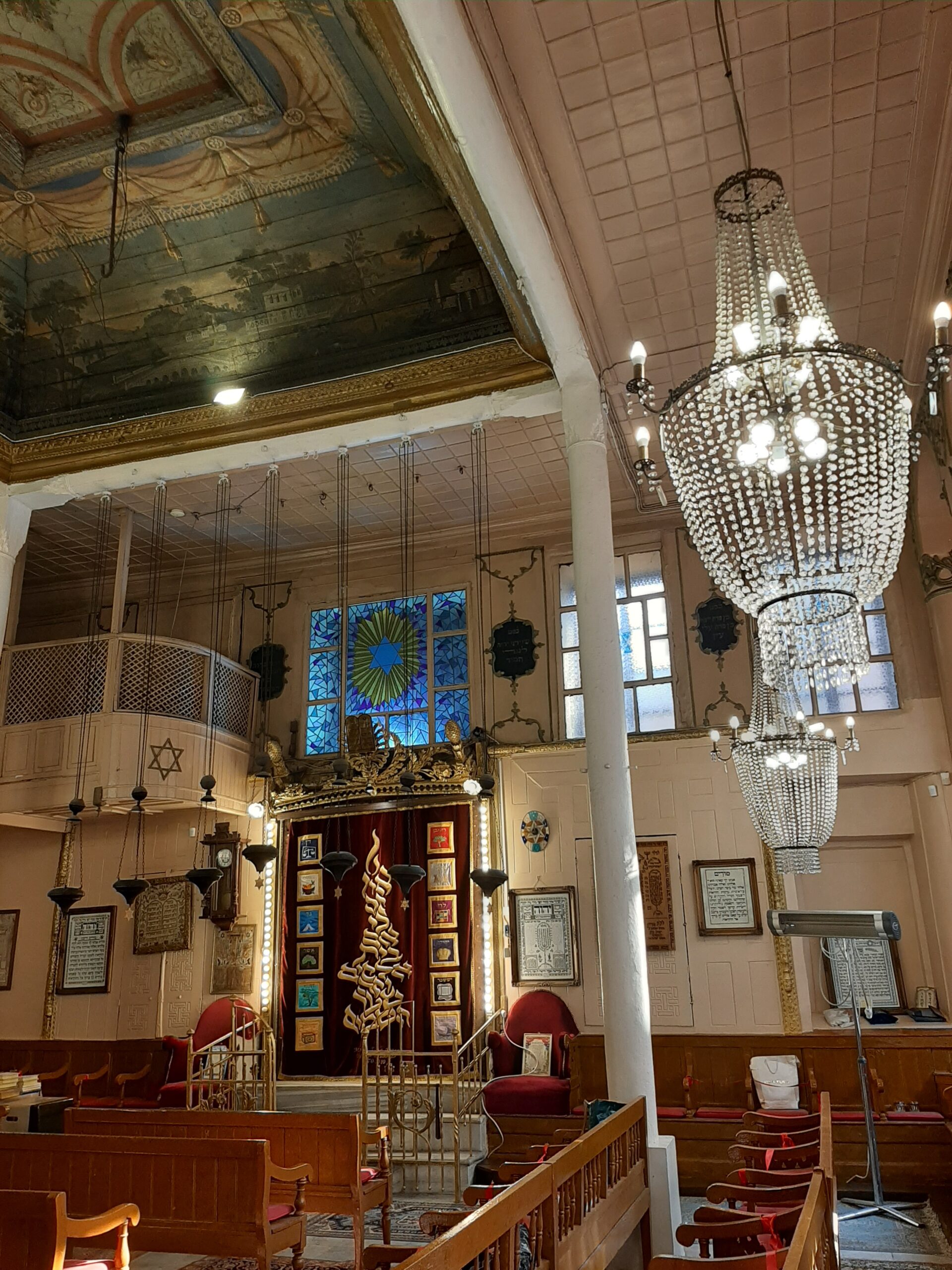
The first Jews to settle in Balat were around a hundred lower income families originally from the city of Kastoria in Macedonia. They’d ended up there in 1492 when Sephardi Jews were exiled from Spain and Portugal. They were later joined by Jews who emigrated from Rhodes in 1599. The newcomers lived separately from the Romaniots, Byzantium Jews, with each group having their own synagogues and differing traditions.
There were seven separate, independent religious districts in Balat; Sigri, Karabash (modern day Lonca near Yenikapi), Dubek, Ahrida, Kasturiya (location of Tekfur Palace, on page 145 in Istanbul 50 Unsung Places , Istipol and the area around the Tahta Minare Camii Mosque (the mosque with a wooden minaret – details further down). However, after Istanbul suffered a series of major earthquakes starting from 1894, followed by devastating fires, the two communities merged and become homogenized. After 1948 Jews experiencing economic difficulties moved to Palestine, resulting in a decline in the Jewish population in Balat.
My thoughts on Balat
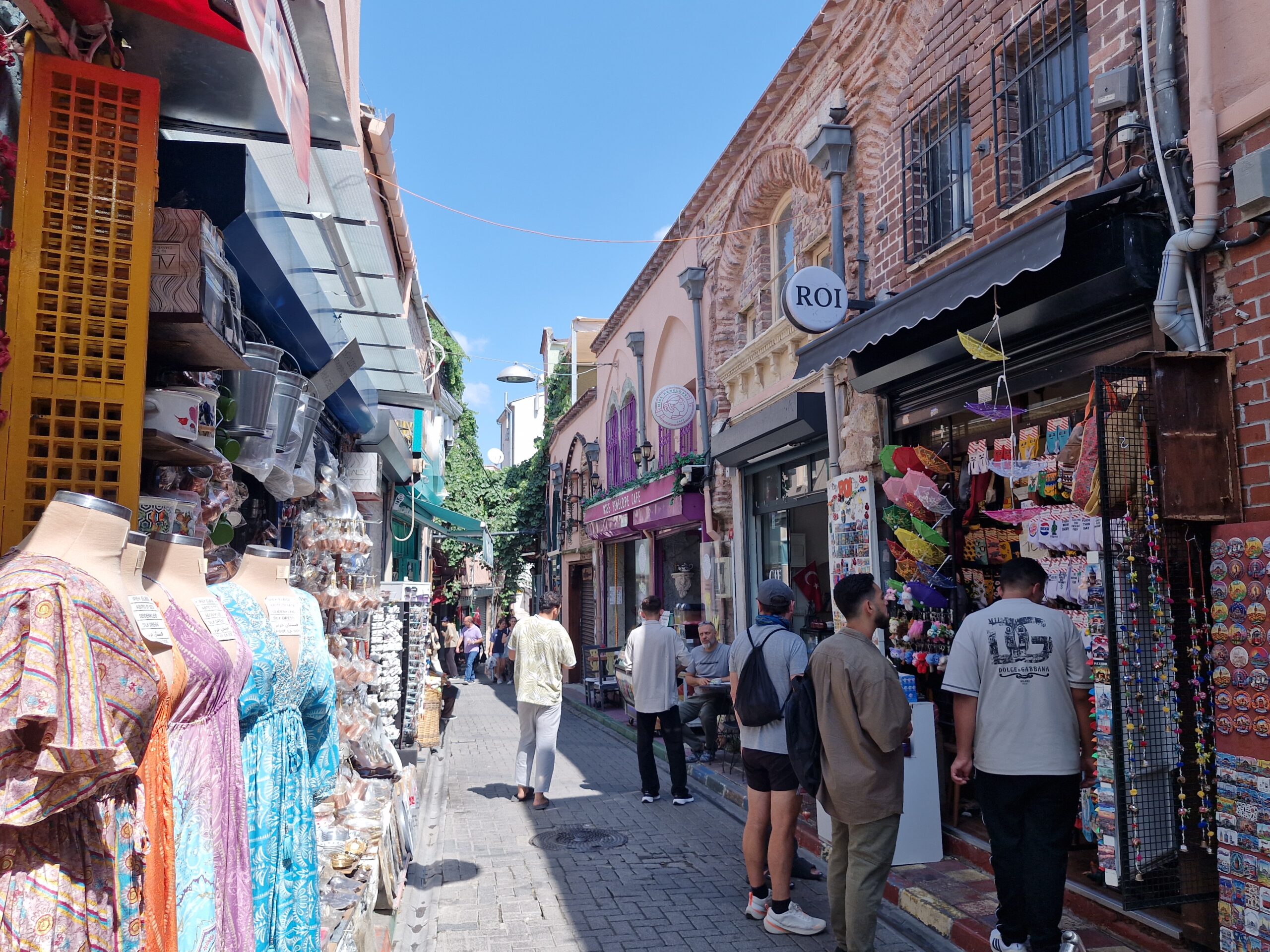
Today Balat is an Instagrammers heaven, full of colourful houses, vintage stores, shops selling nostalgic soft drinks, antiques, restaurants and more cafes than you could possibly need. There are made for tourists’ souvenir shops with twee little statues, jewellery and some artworks. There are also boutiques selling designer brand shops which is kind of weird for somewhere that’s meant to be local.
Everywhere you look people have full on 35mm cameras hanging round their necks as though they’re on safari in Africa, but in Balat they photograph other tourists posing for selfies or taking photos of … well you guessed it, more of the same. I do understand that for people who’ve never been to Turkey or Europe, Balat is very visually appealing and unusual but I don’t understand visiting an area like Balat only to bypass the actual history of the area and treating locals as though they’re inanimate tourist attractions.
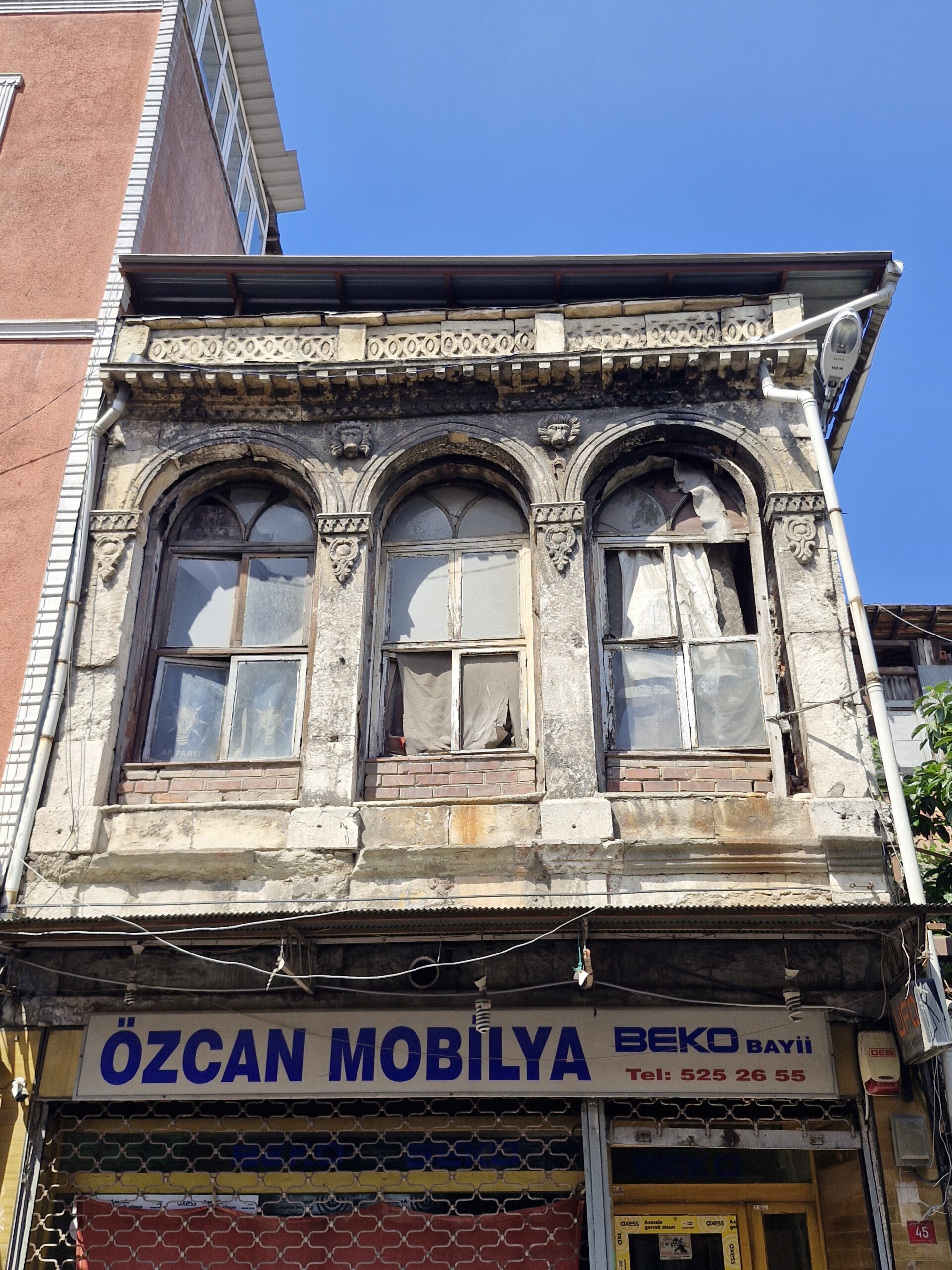
Some of the oft photographed houses, particularly the ones with washing hanging from the balconies, are really run down and the people who live in them probably don’t benefit much from the foot traffic even though they’re most likely the ones in need.
It’s not clear to me if the people who run businesses in Balat are from here. They may well be but I don’t get any sense of Balat being a particularly local, authentic neighbourhood anymore. With this in mind, I’m splitting this what to see and do in Balat post into two – the things I find interesting in Balat and what IG says you should do.
What I recommend you see and do in Balat
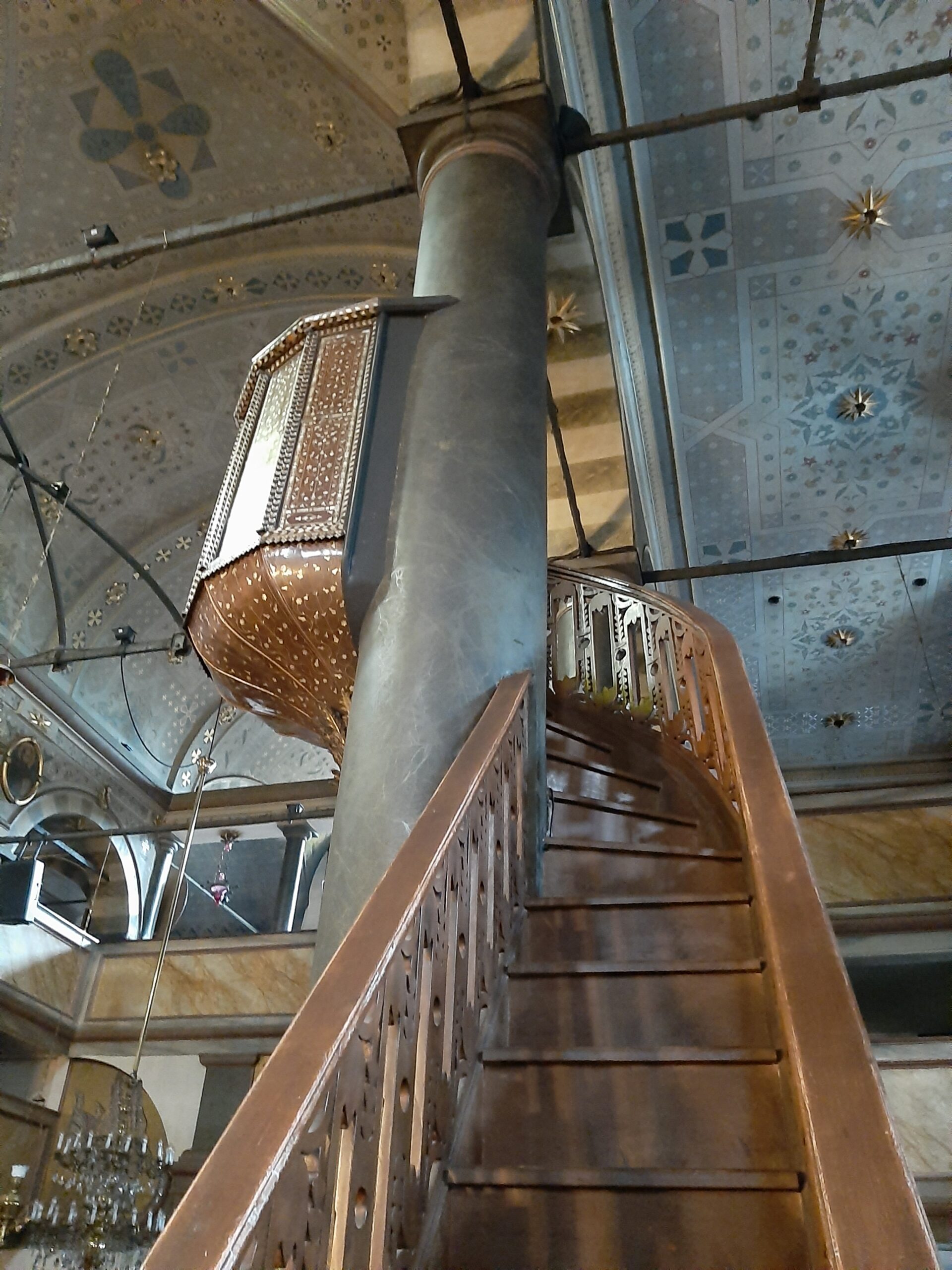
Like most of Istanbul’s remaining synagogues, the two in Balat are closed to visitors except for one day of the year when they open their doors to non-congregants. However, the Aziz George Katedrali, the Patriarchal Cathedral Church of St. George in the Greek Patrikhanesi, the Greek Orthodox Patriarchate complex,is open year-round. It has an astonishing iconostasis (altar) and is an active pilgrimage site for Orthodox Greeks around the world.
As Balat is actually made up of several neighbourhoods – Fener, Balat and Ayvansaray – I’ve arranged this section accordingly.
Fener
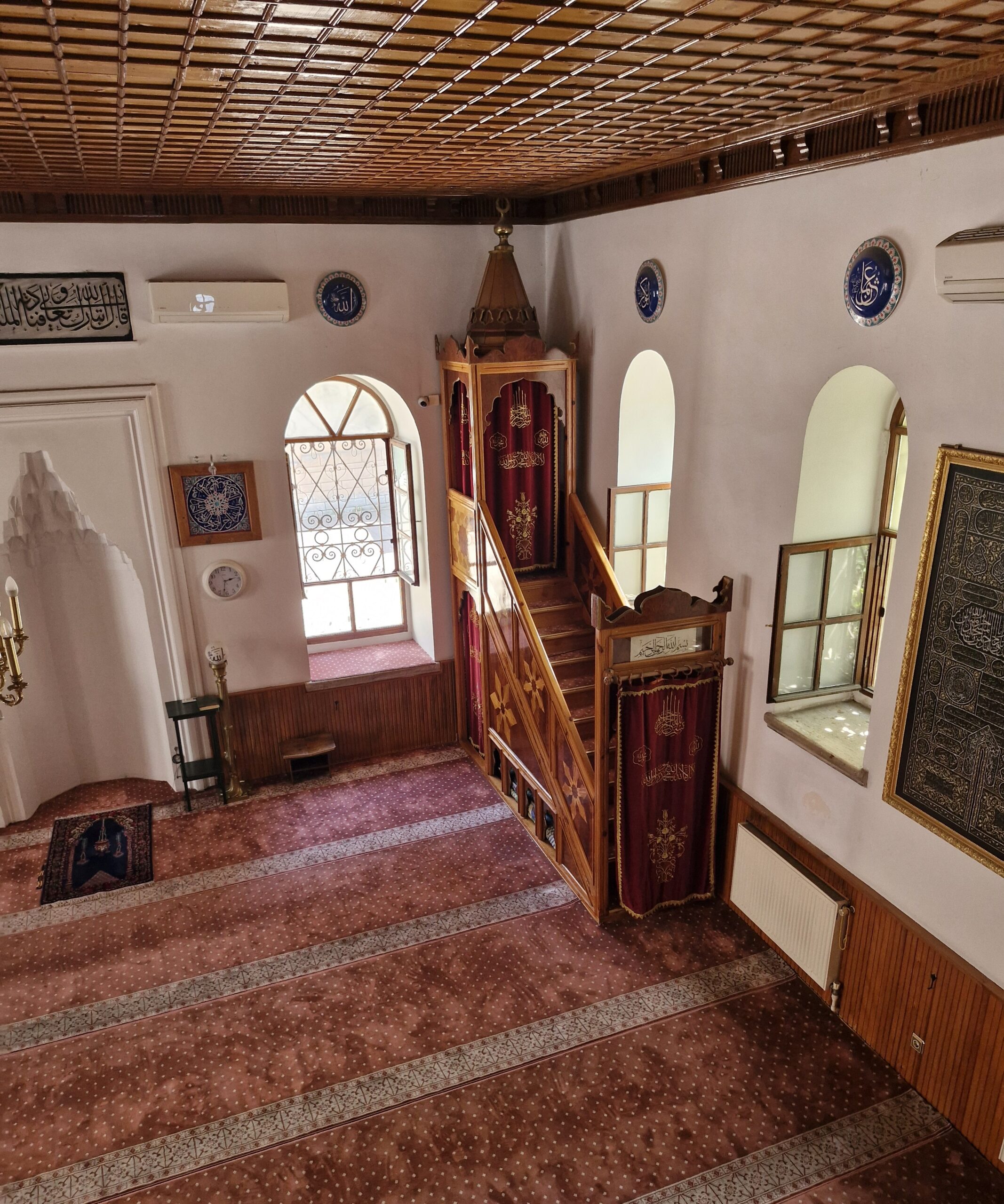
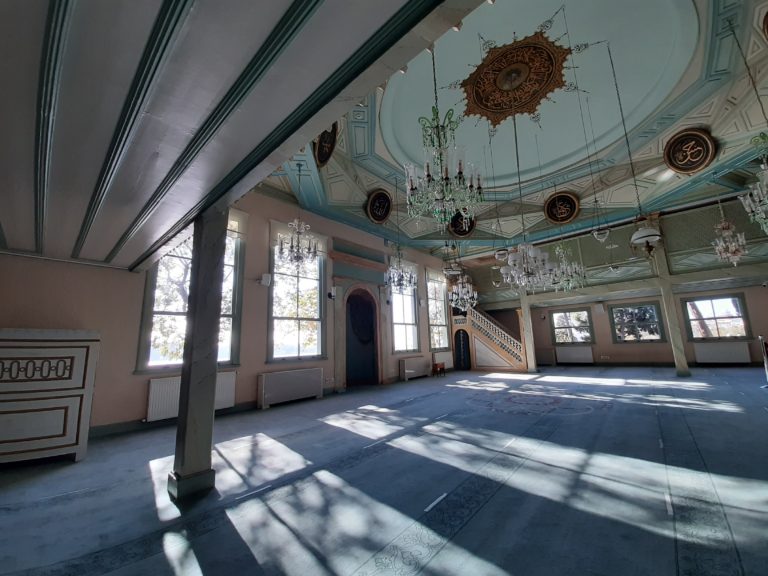
The Tahta Minare Camii, a small mosque built for Mehmet the Conqueror in the 15th century said to be one of the first built in the area, sits in a quarter of Balat called Hızır Çavuş. The small fountain next to it was built by Süleyman the Magnificent. Most people walk straight past both in search of IG sites, but this little cami has an interesting history.
Originally the minaret was wooden, hence the name Tahta Minare, but by the second half of the 19th century it was falling apart. Kantarizade Sivaslı Halil Ağa, the owner of the Tahta Minare Hamam, paid for it to be completely repaired in 1865 which is when the minaret was rebuilt in stone. More repairs were carried out in 1875 and again in 1957.
The mosque interior isn’t the most glamourous but it is central to the community. The imam lives in a house behind it and local children regularly attend Quran courses here.
Fener/Balat
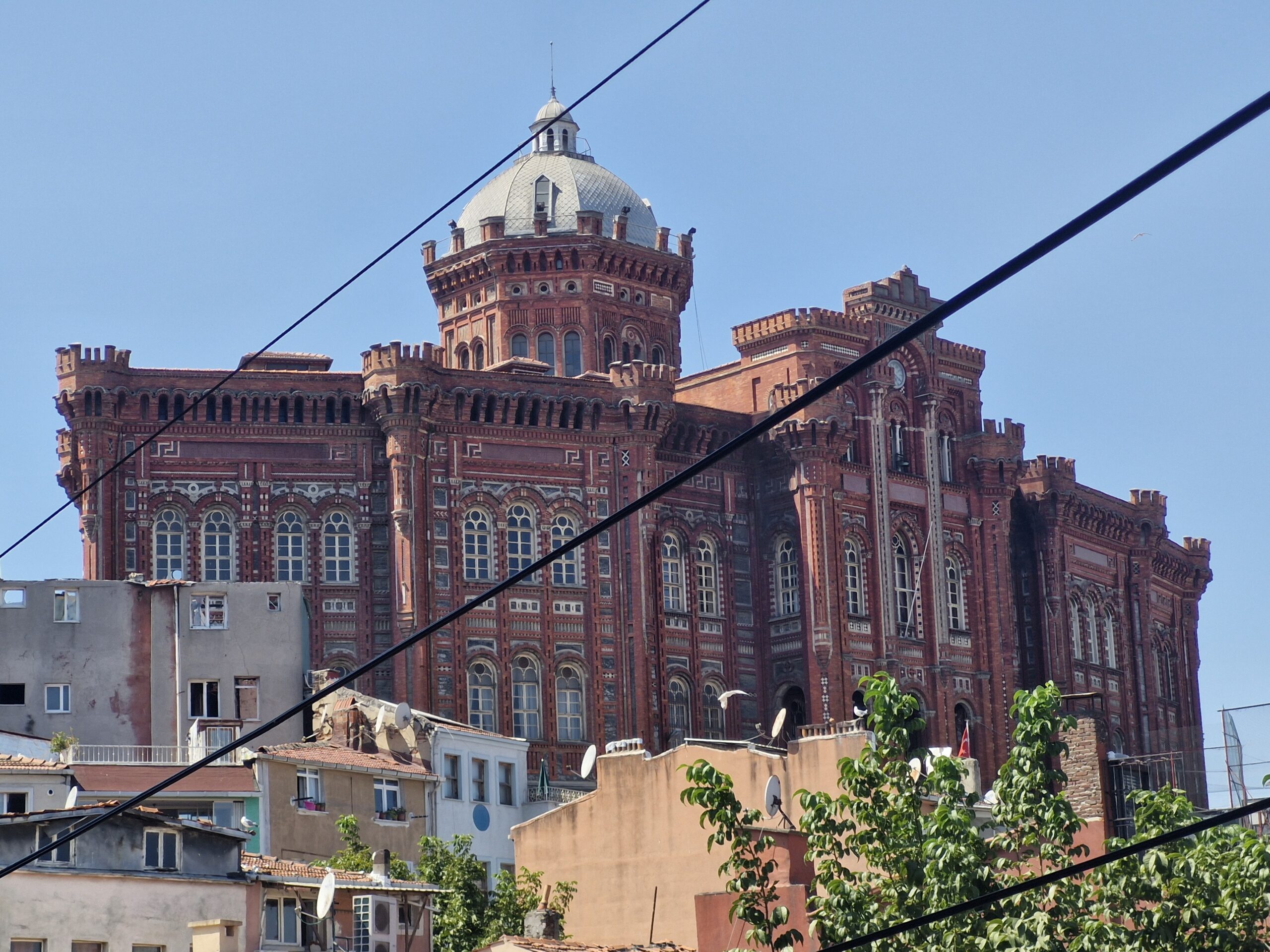
The Özel Fener Rum Ortaokulu ve Lisesi (more on this further down), the red brick Private Fener Greek High School visible up on the hill is a well-known Golden Horn landmark. The streets leading up to it are very steep, and lined with houses that become progressively meaner and poorer looking. The area reminds me of Elmadağ near Tarlabaşı. I lived there for six months and the residents were a mix of people from different countries drawn to the neighbourhood by the lower rents and proximity to transit centres.
In this part of Balat old men sit smoking at their windows, local women hang out their washing and little boys wearing prayer caps who look as though they’re from one of the ‘Stan countries eye passersby suspiciously.
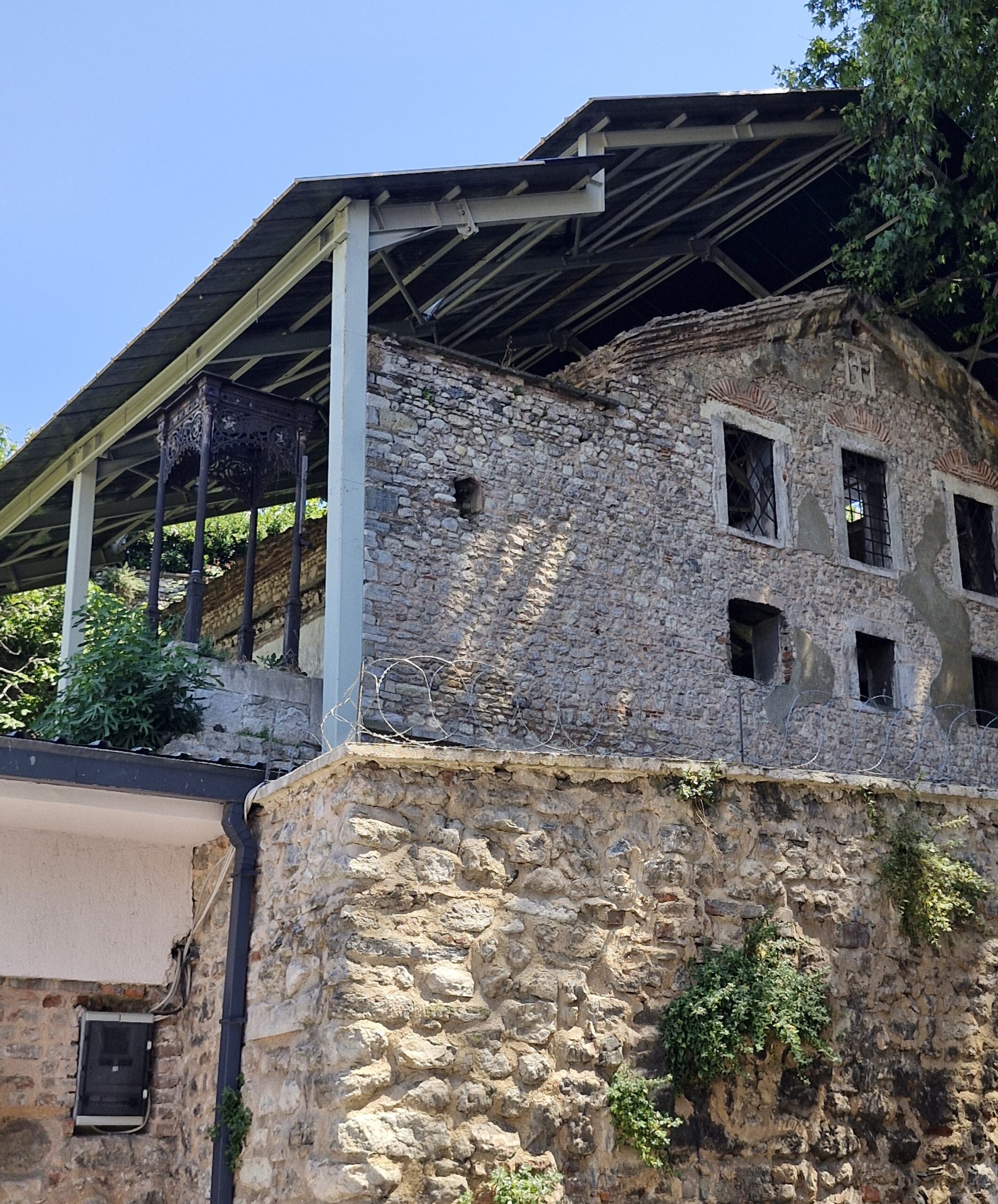
Once you turn off Vodina Caddesi (IG heaven) to start the trek up to the school, you pass Panagua Paramythia Vlach Saray, a Greek Orthodox church. All you can see from the street is one façade with a cross high up near the roof line. This church was built around 1578 and damaged by fire numerous times, before being almost completely razed to the ground in 1974. That’s when the iron bell tower was stolen and presumably sold for scrap. Apparently the church is under renovation but each time I’ve passed it the work site has been quiet.
The Private Fener Greek High School, the Greek Lycee of Fener once known as the Great School, is believed to have been founded one year after the Fall of Constantinople in 1453. It’s said to be one of the oldest educational institutions still standing in Istanbul although the red building you see today was only constructed in 1881. It’s the work of visionary architect Konstantinos Dimadis, famous for designing castles in Europe. The style is eclectic to say the least, combining red Marseille brick architecture, neo-Baroque and neo-Gothic elements. The building also features a large dome used as an observatory for astronomy classes.
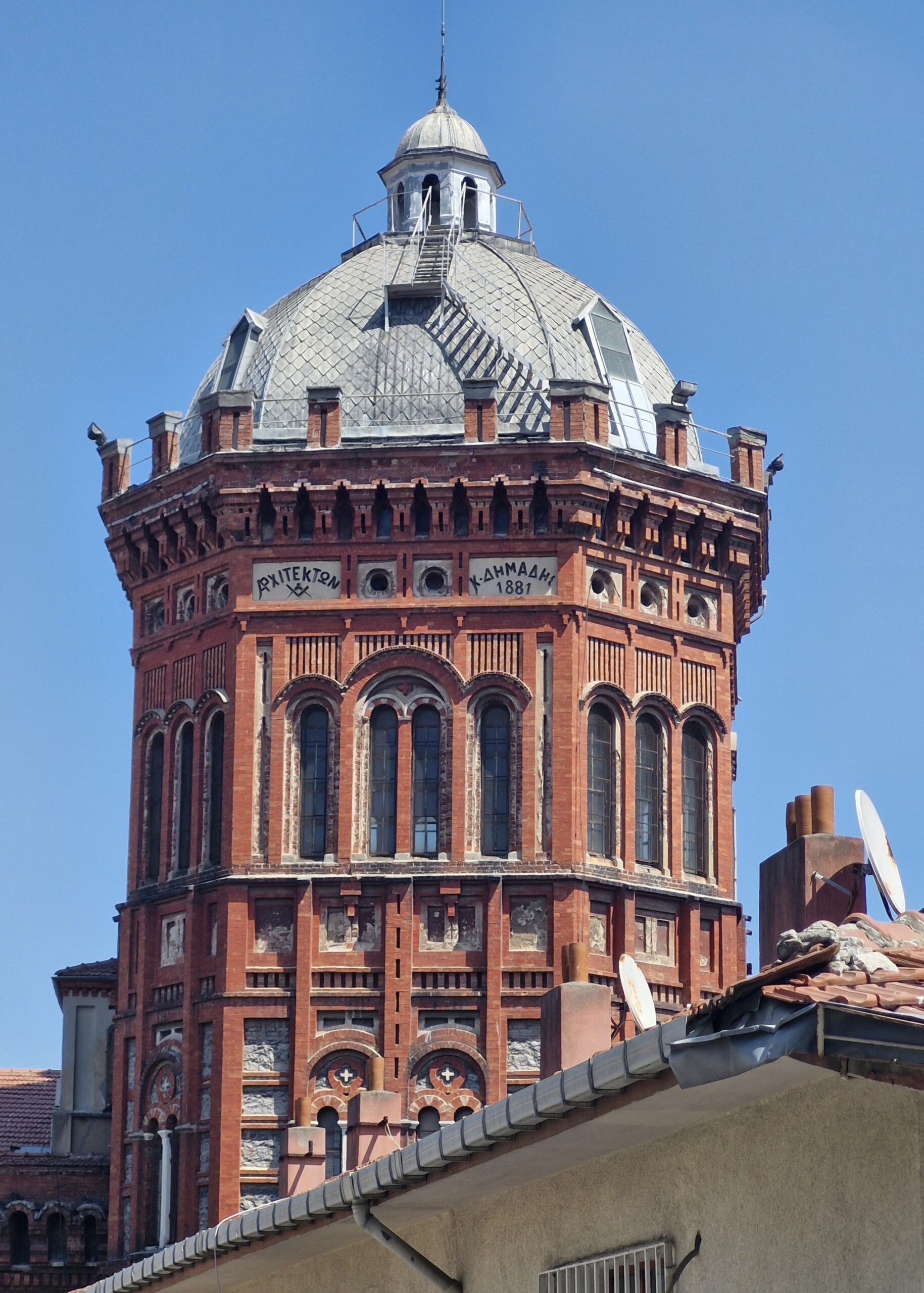
For those of you who’ve been to Burgazada, one of the Princes Islands, you’ll have noticed that the island church is similar in style. That’s because it was created by Nikolaos Dimadis, the son of Konstandinos Dimadis.
The school delivered a secular education throughout the Ottoman period and despite the decline in the Greek population, still educates a handful of students. How long this will continue is uncertain because the community is under orders to renovate the school to meet earthquake safety regulations, and they don’t yet have the funds to do so.
The red wall you see as you walk up to the school belongs to the Kanli Kilise, the Bloody Church, that I’ve yet to see open to visitors. However, don’t miss Sveti Stefan Kilisesi (Demir Kilise), St Stephen’s Bulgarian Church back down on the waterfront. It’s one of a handful of iron churches still standing in the world. The building opposite it, now sitting below street level, is the Eski Bulgar Ortodoks Başpiskoposluğu, the former Bulgarian Orthodox Archdiocese.
Ayvansaray
This section of Balat stretches further along the Golden Horn towards the Halic Koprusu, and almost up to Kariyer Mosque, the former Church of St Chora. There are several theories as to what the name means, but the one most strongly considered true is that it was named for Eyyub Ansari, a companion of the Prophet Muhammed. It’s believed the Ayvansaray Gate, situated where the city walls met the Golden Horn, was the point at which Muslim soldiers breached the city walls sometime in the 7th century.
Over time Eyyub Ansari Gate became Ayvansaray Gate but during the Byzantine era the area was known as Blakhernai and is still is home to several churches and the original Balat Mosque.
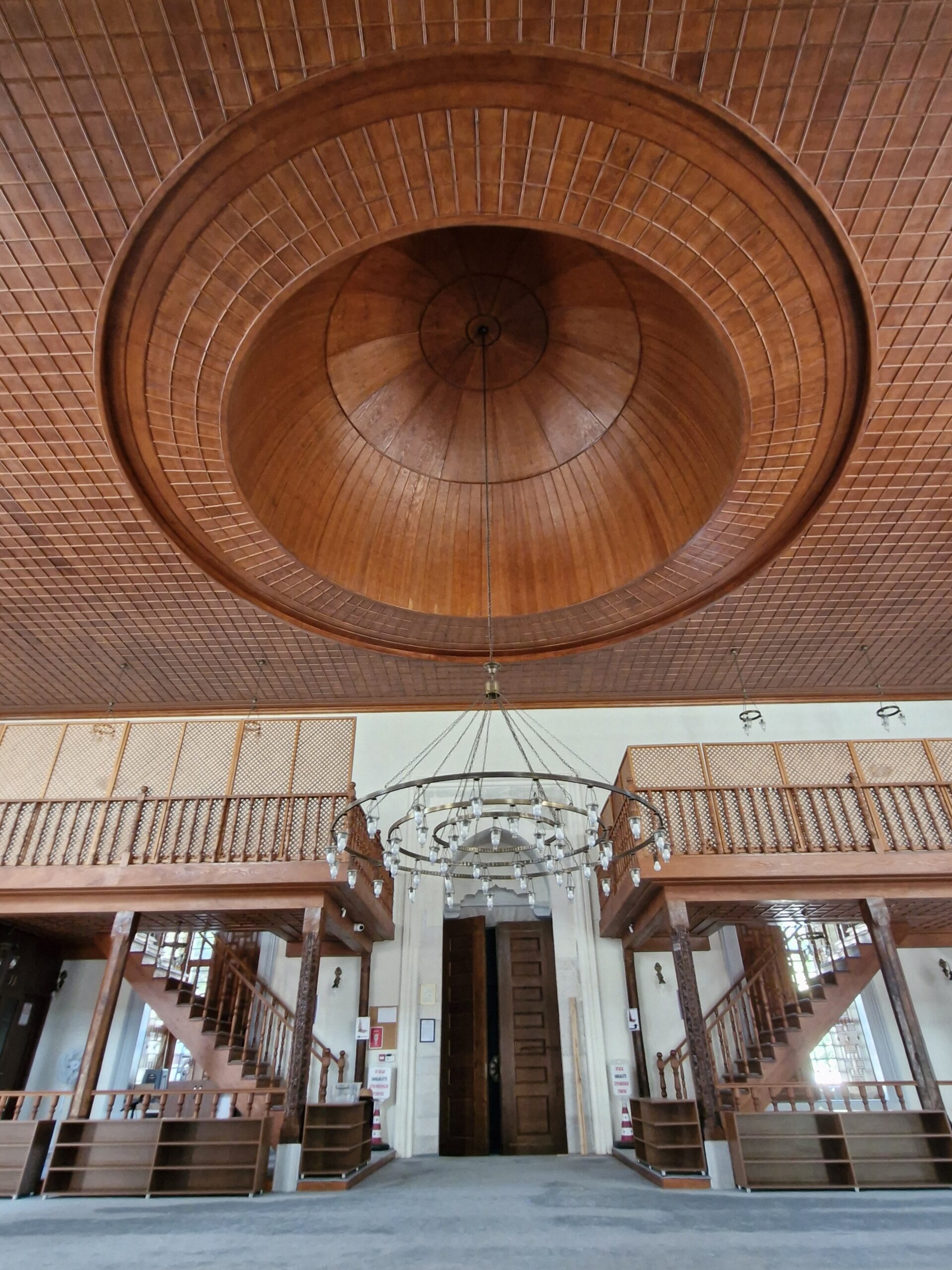
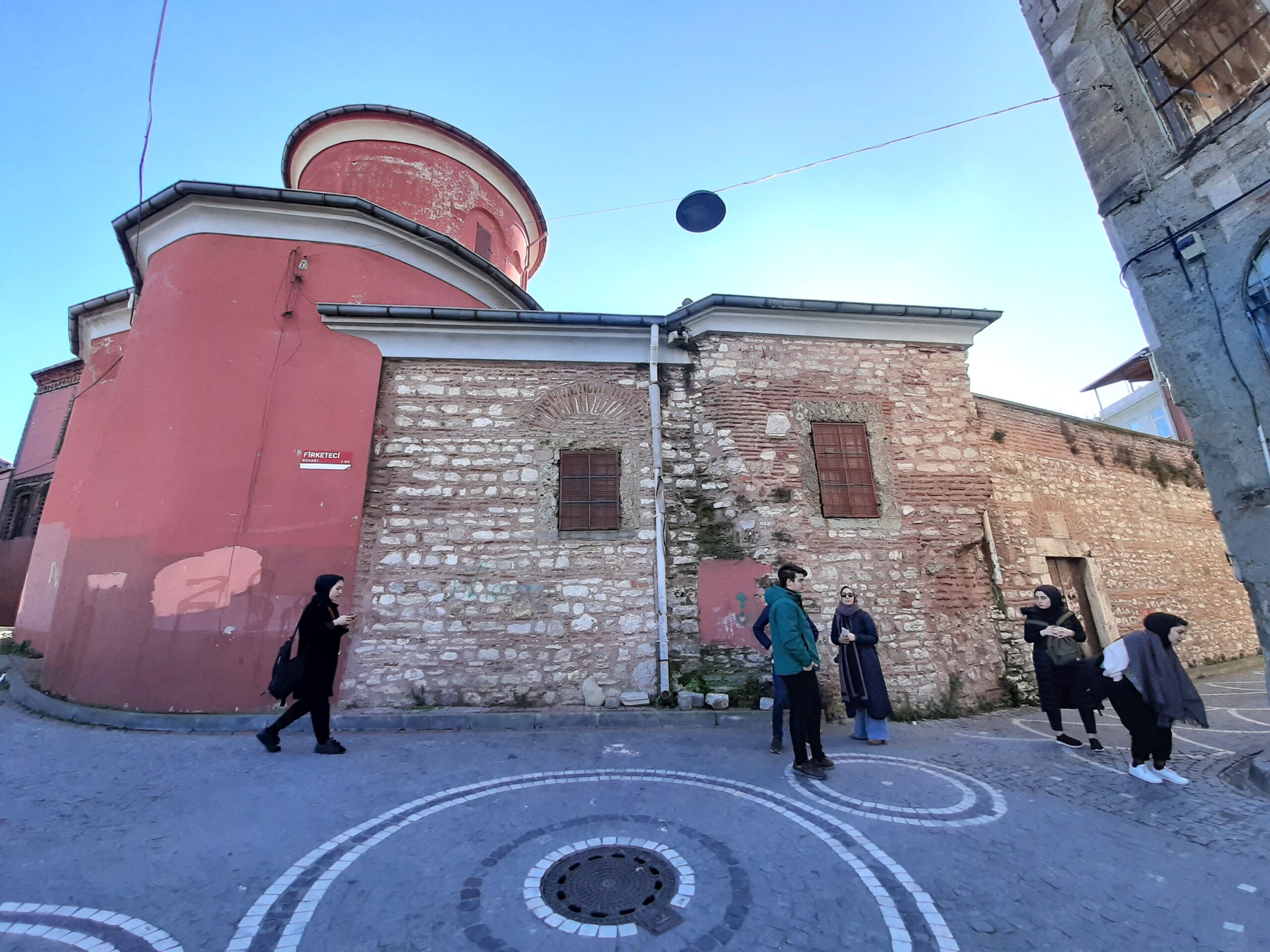
Now called Ferruh Kethuda Camii, the former Balat Mosque was built using cut tufa stone in 1562 by Mimar Sinan. The mosque was part of the Ferruh Kethuda complex consisting of the mosque, a medrese, dervish lodge, fountain and law courts building. Only mosque and fountain remain.
The mosque was first used as the prayer hall of a tekke, a Sufi lodge. Today the exterior is very practical with shoe lockers either side of main entry door, flanked by tall wooden columns. There’s a sundial on the exterior of the qibla wall too.
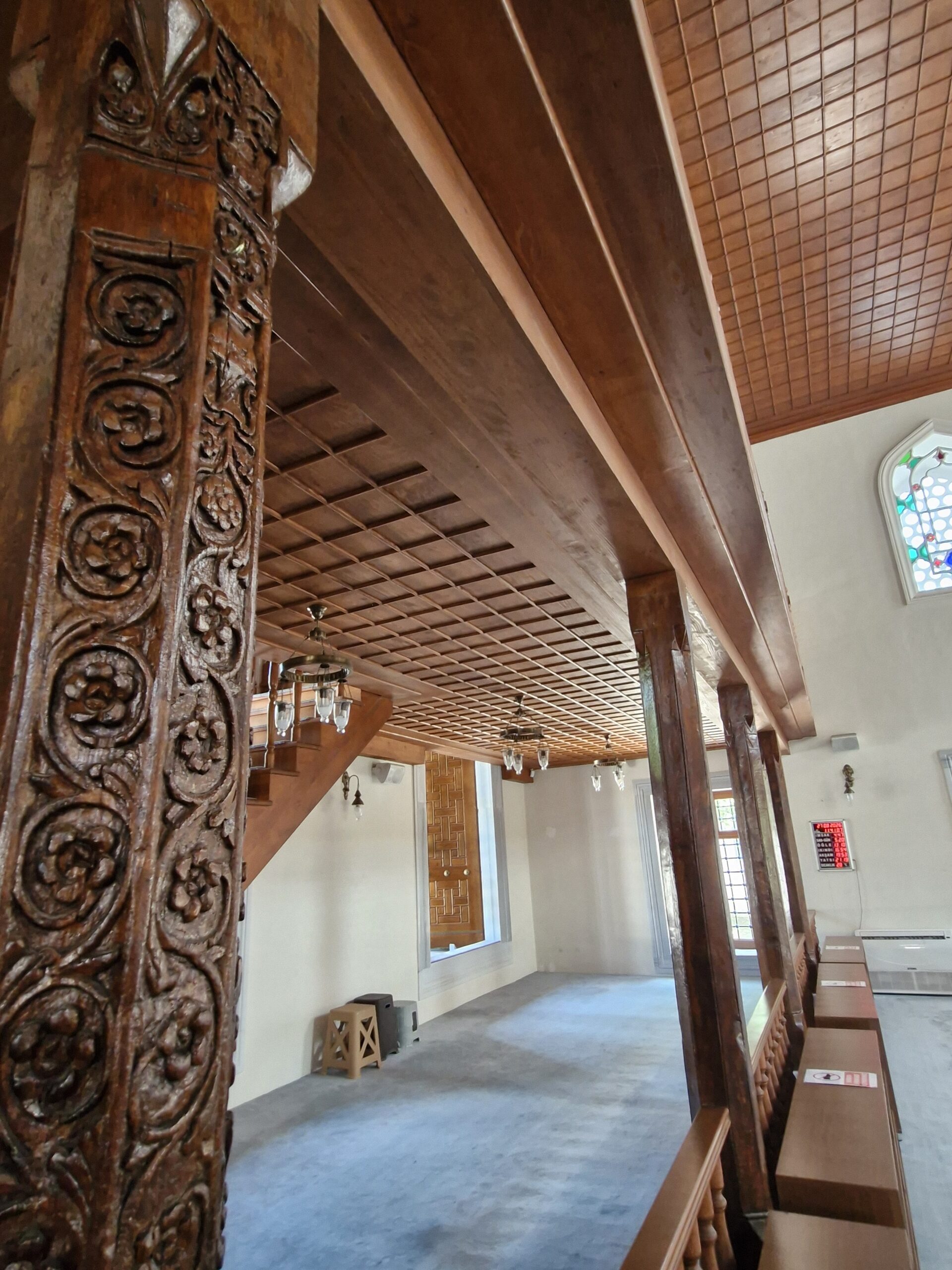
The mihrab, the prayer niche, was originally covered with tiles manufactured in Tekfur Palace (page 175 of Istanbul 50 Unsung Places) in the first quarter of the 18th century. A mural showing all the rivers, mountains and plains from Jerusalem to Egypt and from Egypt to Mecca and Medina covered the interior wall facing the quibla (the direction of Mecca). Landscape paintings depicting the route to Mecca in mosque interiors were the norm during the Ottoman period.
Unfortunately they’re long gone but the wooden ceiling lining the dome is astonishing. It was installed during renovation work, but I was unable to find out when exactly that was (it could be 1986 or 2021) or any information about the craftsmen who created it.
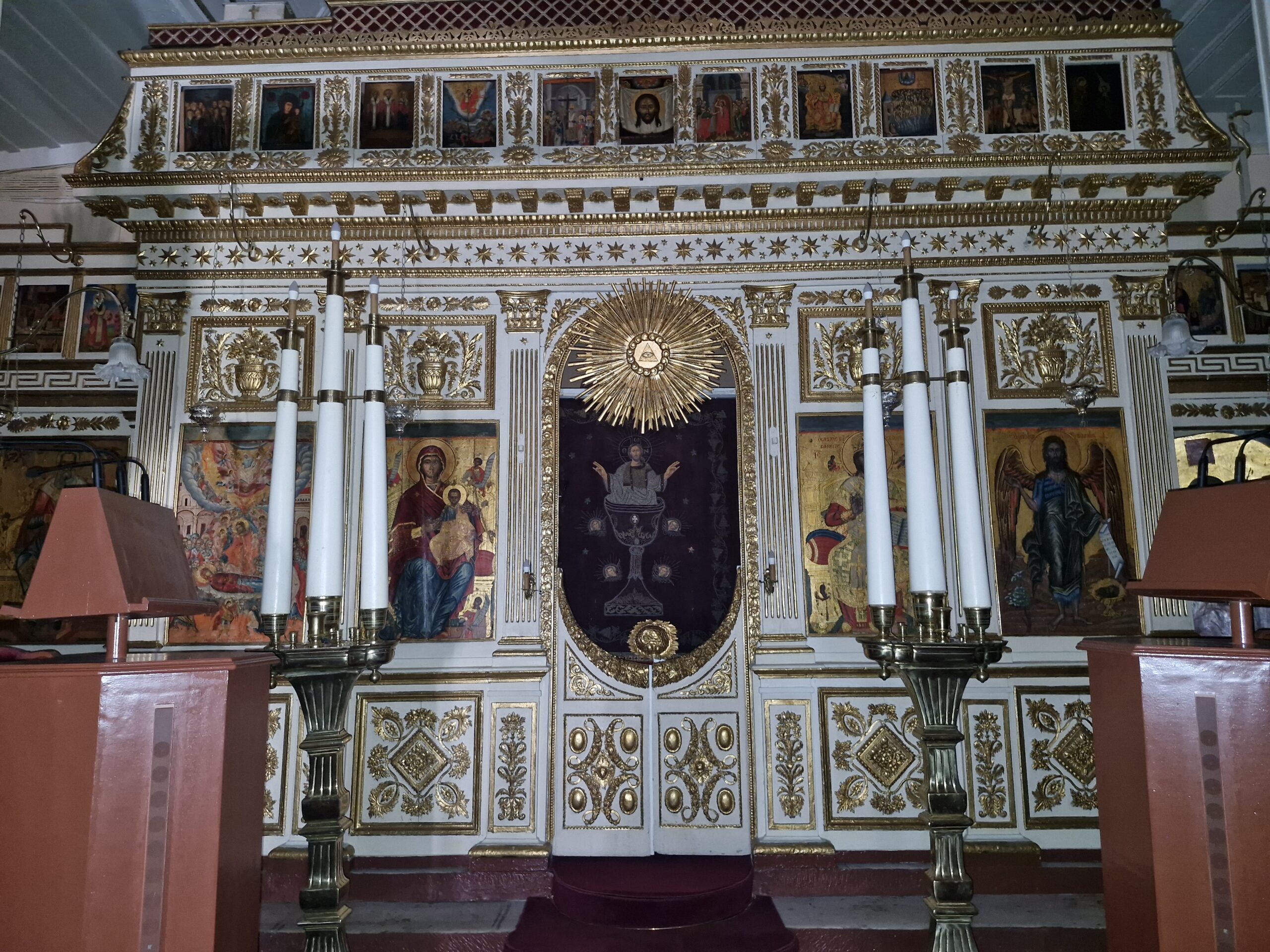
The present day structure of the Ayvansaray Panayia Balino Kilisesi (Panayia Balinu Church) dates to 1730 but there’s been a church on this site since 1597. Inside the complex there’s a small metal freestanding bell, a private house and the Ayios Menas holy spring. The church isn’t open to visitors but the caretaker kindly let me in and opened up the church for me. I was surprised to learn that the upstairs section at the back of the church was reserved for the women during Ottoman times. I always thought these areas were for dignitaries.
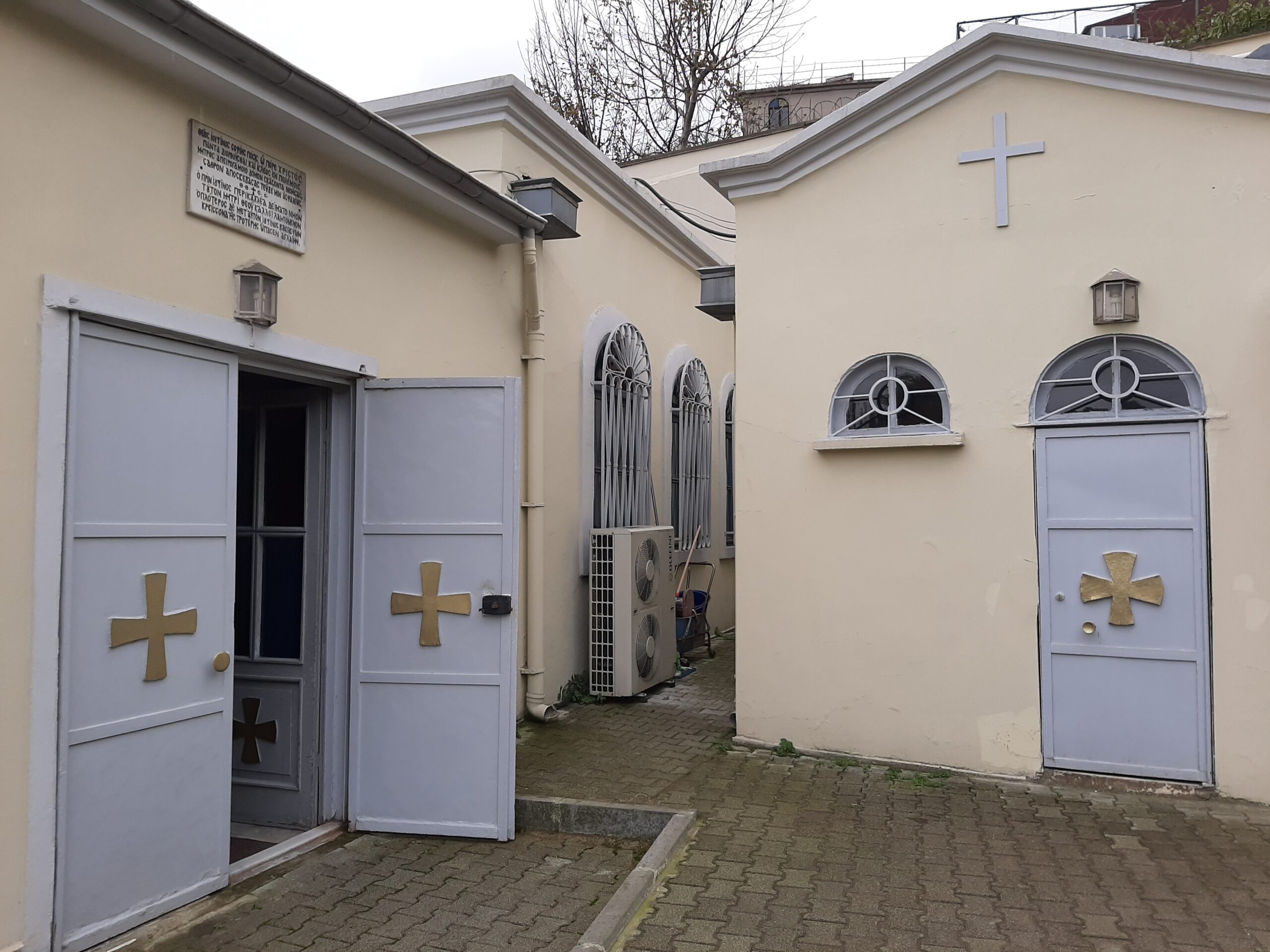
The Vlaherna Meryem Ana Kilise, the Blachernae Virgin Mary Church is famous for the holy spring in its grounds, named for the Virgin Mary. It is open to visitors and you can find out all about it and more on page 148 of Istanbul 50 Unsung Places.
Depending on how much energy you have, you might want to include a visit to Tekfur Saray up near Kariyer Camii or allow another day to visit Eyup Sultan and the Pierre Loti Café. Feshane Artİstanbul, the Istanbul Municipality run art gallery in a former Fez factory is a must for art lovers. They hold regular international exhibitions and entry is usually free.
What Instagrammers like to do in Balat
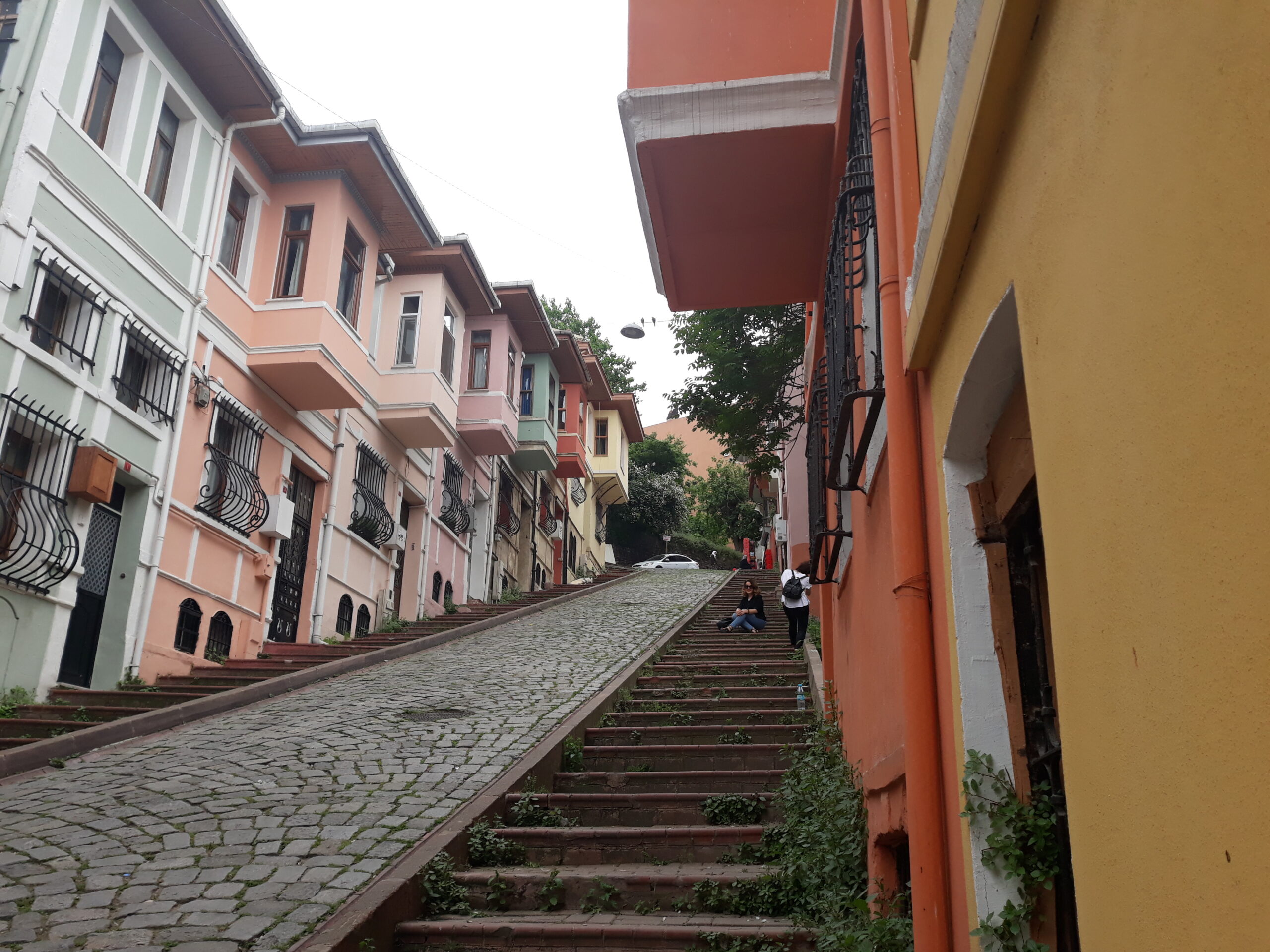
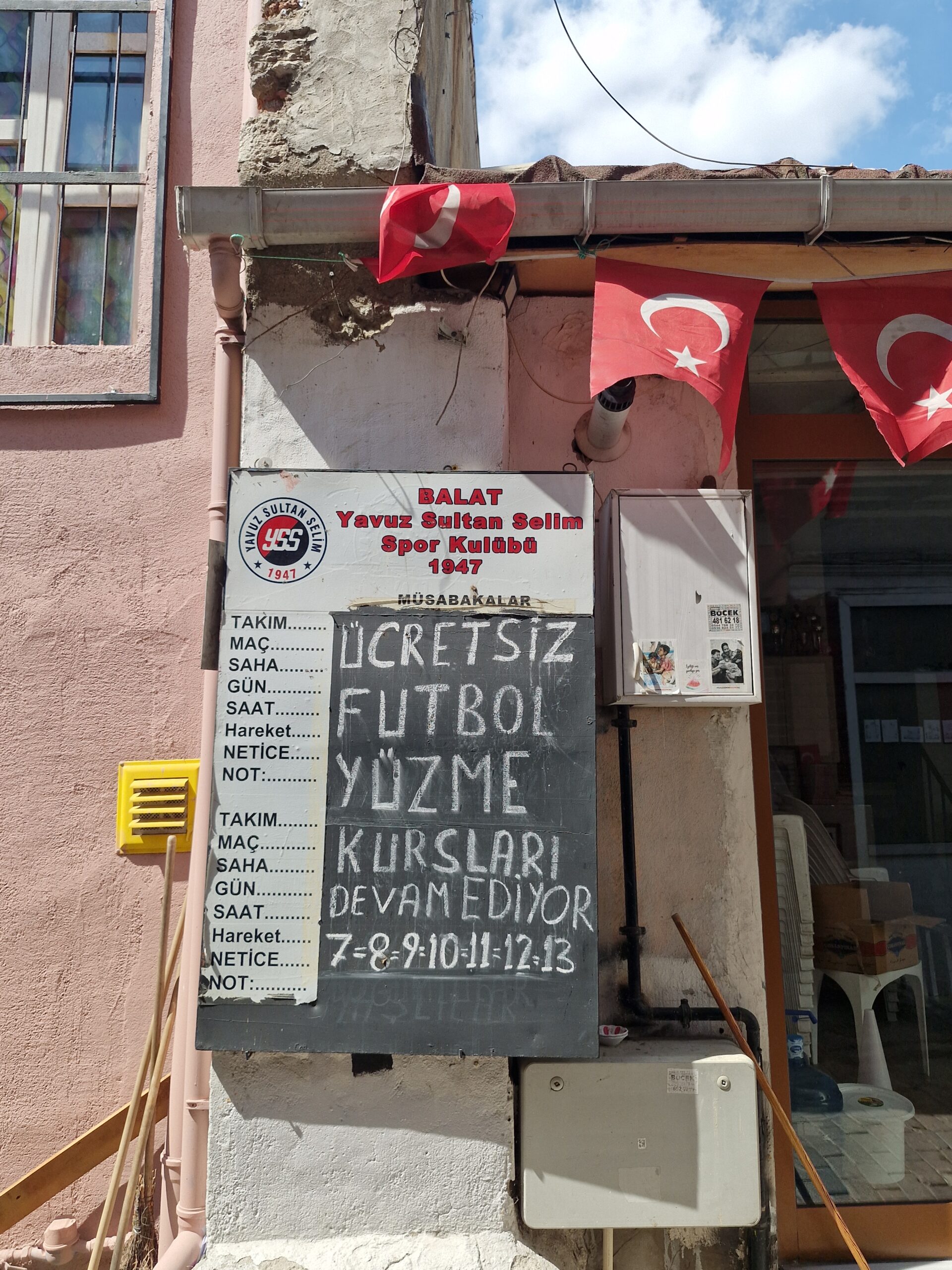
Leblebici Sokak and Vodina Caddesi are the most popular streets for Instagram followers to visit, both domestic and international, but if you look carefully you’ll still see signs of local life with an aktar selling herbs, a shoe repairer, the closed doors of a synagogue, various Balat sports clubs, real estate offices, butchers and hardware stores.
Head up Ayan Caddesi to see a more authentic side to Balat, and then turn down any side street to see how the real Turks live.
If you must, head for the Merdivenli Yokuş Evleri, colourful houses lining a set of very steep stairs painted in rainbow colours. It’s one of several sets of rainbow stairs. The other one also features umbrellas.
How to get to Balat
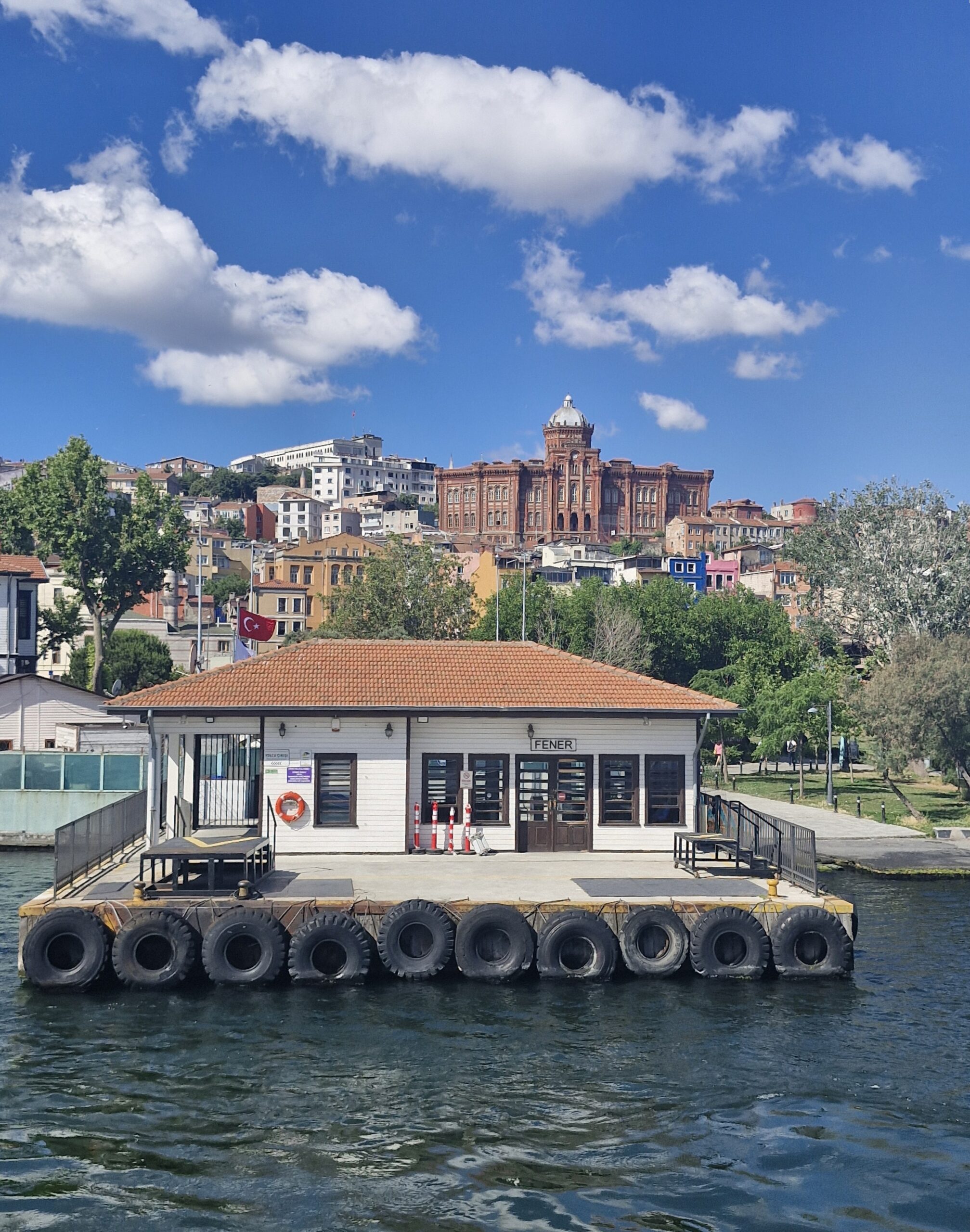
Assuming you’re staying in Sultanahmet, the easiest way to get to Balat is on the T5 Tram that runs the length of the Golden Horn. It starts from Eminonu just the other side of the first bridge across the water.
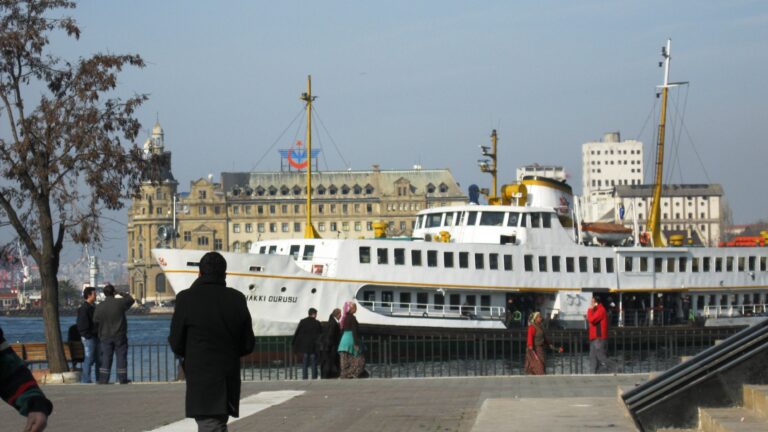
If you’re staying in Kadikoy on the Asian side of Istanbul you can catch a ferry to the Haliç-Fener Ferry wharf, but they only go every hour or so .
Where else to visit in Istanbul apart from Balat
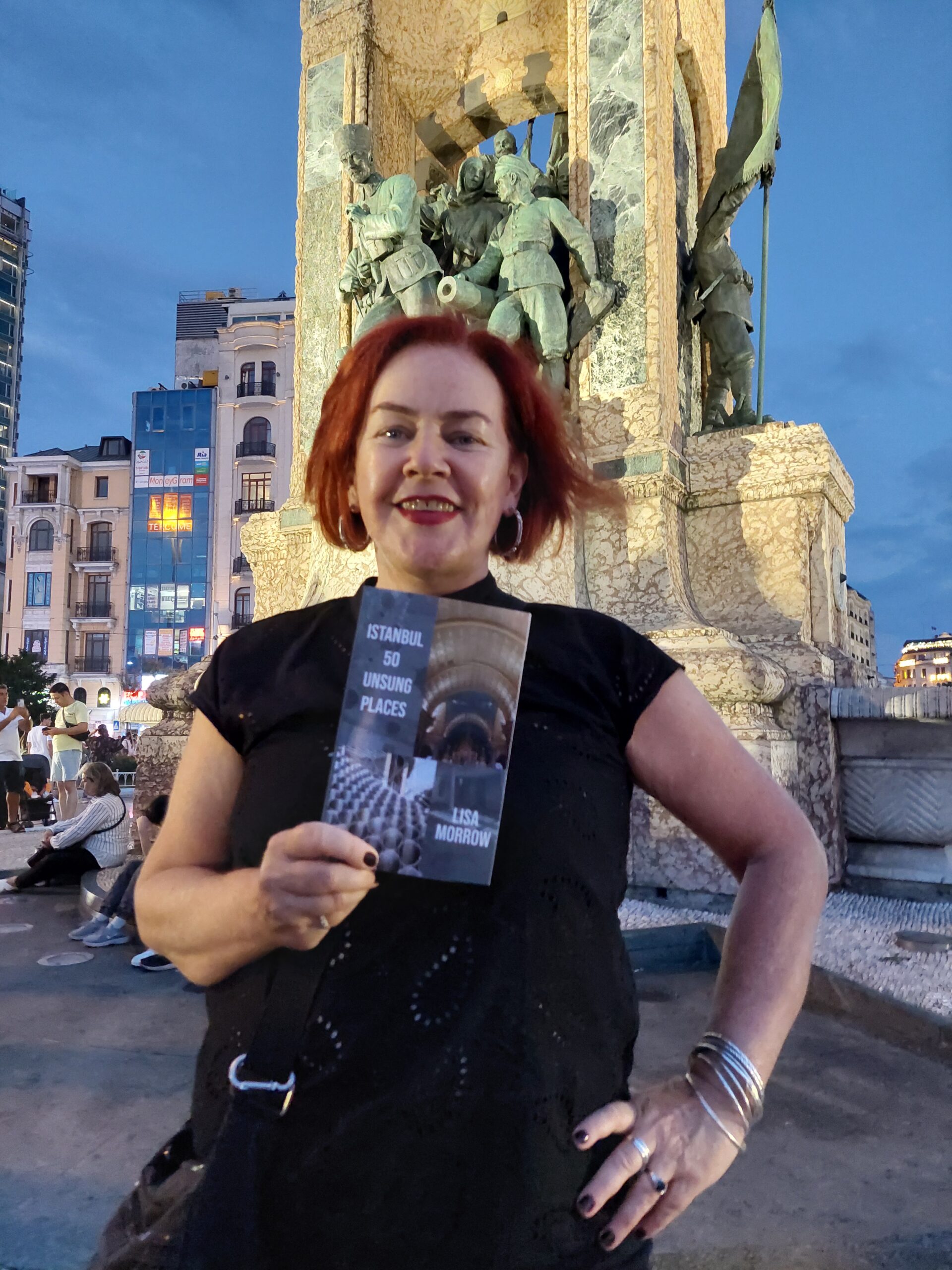
If you enjoyed my take on what to see and do in Balat I know you’ll enjoy exploring more of the city with my guide, Istanbul 50 Unsung Places.
The places covered by it aren’t hidden or secret (if they were how would I know to write about them?) but they are lesser known and seeing them will give you a glimpse into the everyday extraordinary of life in the ancient modern city of Istanbul I’m privileged to call home. It’s available in paperback or as an ebook.
Why not buy a copy today and get started?