What to wear in Istanbul in summer (plus year round wardrobe/packing tips)
Key to enjoying a visit to the cultural capital of Turkey is knowing what to wear in Istanbul, especially in summer when it can be blisteringly hot and humid, but you still need to cover up when you visit religious sites. I’ve lived in Istanbul for over 15 years now and one thing I can say for certain is layering is key.
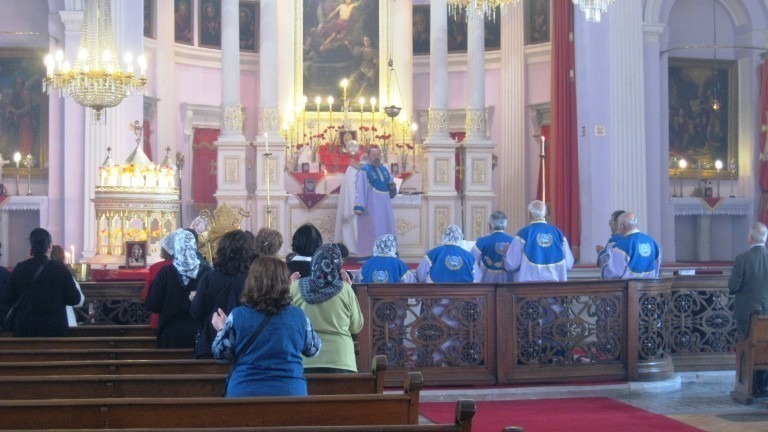
Before I get into details I’d like to point out that Instagram feeds full of people posing in front of the Hagia Sophia or the Blue Mosque wearing low cut tops and short shorts alone or alongside men wearing muscle tees and cargo shorts only tell half the story. I think of them as a salutary lesson in what to wear in Istanbul – not. Although Istanbul is a cosmopolitan city many of the main tourist sites like Sultanahmet also attract devout Muslims from around the world. They, along with more conservative locals follow very different dress codes.

If the clothes you wear are super revealing, showing a lot of leg, cleavage or midriff, you’re likely to attract a lot of unwelcome attention. This can range from people staring at you non-stop to comments and catcalls from other tourists, men working in tourism and locals in general. In particular some men, both Turkish and of other nationalities, see lone travellers of either sex as potential money-making targets. You can learn more about this in my article on useful solo travel tips Turkey.
I’ve often heard women planning to visit Istanbul ask if they should cover from head to toe and that’s definitely not necessary. This guide will give you tips and ideas to dress in the way that best expresses your personality, while taking into account cultural norms, weather conditions and other important considerations (aka road surfaces and pavements).
Istanbul summers
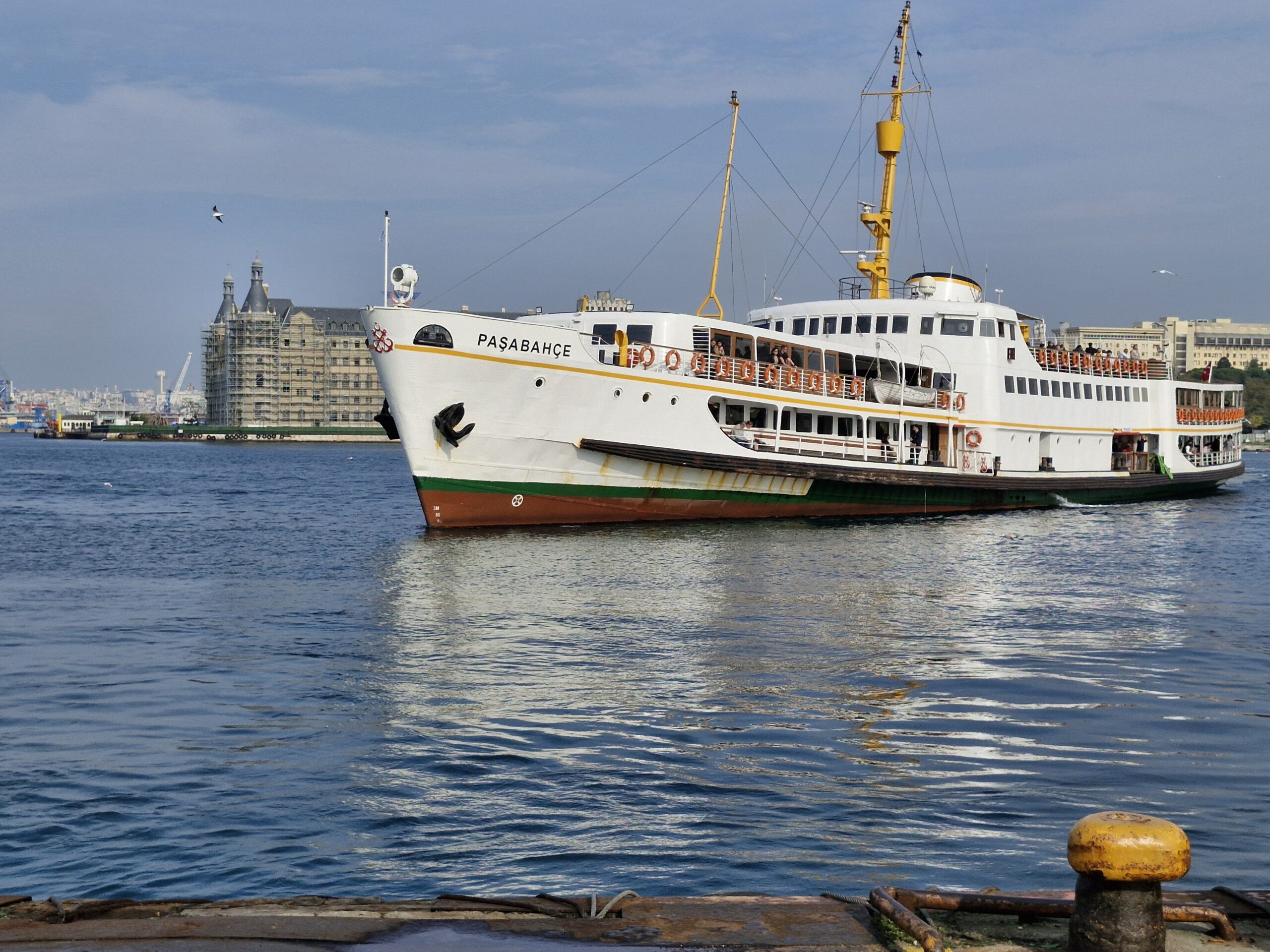
Summer in Istanbul can start anywhere from late April to mid-June with July and August being the hottest months, with temperatures starting to cool off come September and early October.
That said, just how hot it feels depends on a number of factors. Say the temperature is 30 degrees (86 F), the city can feel hotter or cooler, depending on which side of the city you’re in and how far inland you are. Areas closer to the Bosphorus and the shores of the Sea of Marmara often feel cooler due to breezes blowing off the water. However, come the baking months of July and August when temperatures soar to the high 30s the air feels still and oppressively thick, with no respite.
Nonetheless, the weather can be unpredictable with the temperature dropping suddenly again in April or May as though winter has decided to make a reappearance, then ridiculously hot days in late September just when you thought autumn had arrived. Knowing what to wear in Istanbul before you arrive is essential.
What to wear in Istanbul in summer
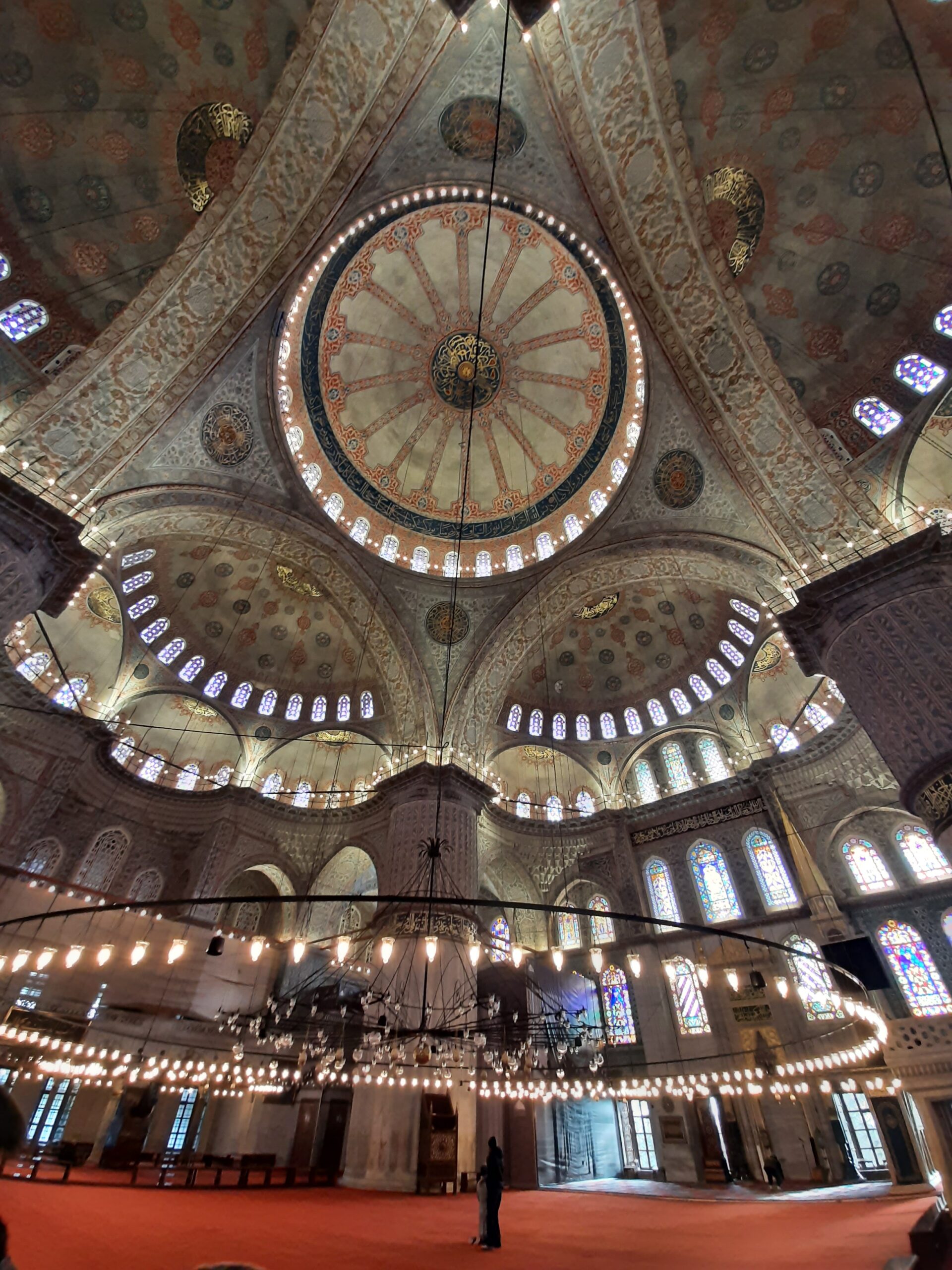
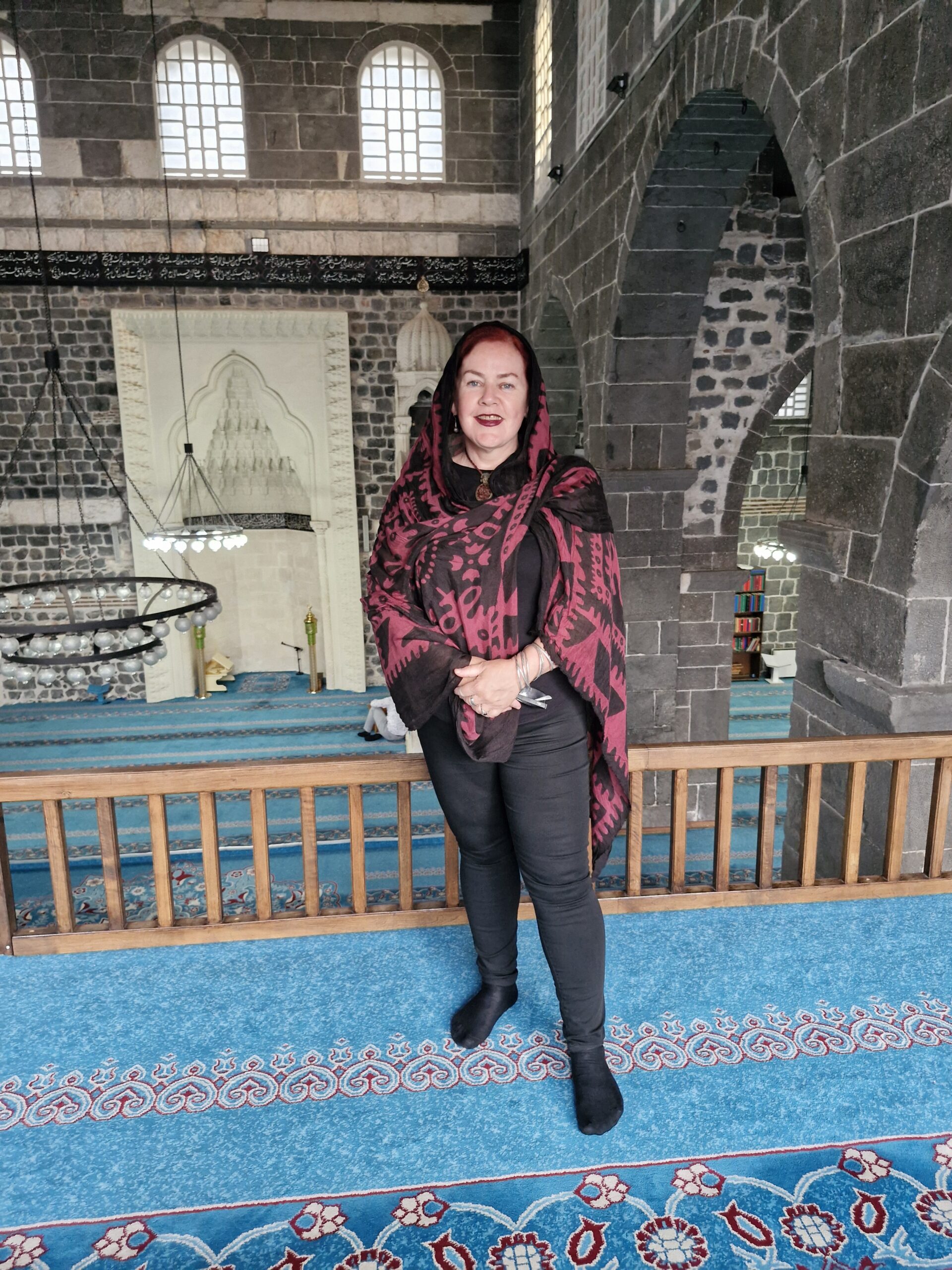
This is where layering comes in. Whether I’m sightseeing in Istanbul or I’m traveling around Turkey in spring and autumn I always pack two scarves. A light one I can put over my hair when I want to visit a mosque and a larger, heavier one I can fling round my shoulders if it’s getting a bit nippy in the evening. The latter works well if I’m feeling a bit cold or want to sleep on a long-distance bus trip. Turkey has a great intercity bus network that’s safe, comfortable and affordable. In winter it’s always handy to have a warmer scarf/shawl for those days when the temperature drops lower than predicted or you’re stuck outdoors waiting for transport.
I usually choose a pretty natural fibre material for the light scarf. That way I can arrange it at my neck to jazz up my outfits and in summer, if I want to wear a lower cut top because I’m going out to an event, I can drape it across my chest if I feel the need to be a bit more covered.
When it comes to deciding what to wear in Istanbul on days when the temperature is set to hit the high 30s, I know it’s impossible to get through until bedtime in only the one T-shirt or top. Even if you start off fresh in the morning, come evening you’ll want to shower and change into something clean and dry.
I always include one or two more cotton tops than I think I’ll need because when it’s really humid, handwashed clothes don’t dry as fast as you need them too. This is a big problem when your itinerary has you overnighting in a hotel and then moving on the next day. The same goes for underwear. You can never pack too many pairs of thin quicky drying knickers!
I don’t do well in the heat and sweat dreadfully, but if I’m heading to a Turkish city or town I always pack one pair of long lightweight pants and a couple of lightweight capris (cargo pants work well too, as long as they cover your knees). I wear the capris during the day but if I’m going somewhere really conservative, I have the long pants as a backup. They’re also useful if I’m waiting for the capris to dry. Jeans are a no go unless you like feeling as if your clothes have been glued to you, and I’ve already mentioned the issue with shorts.
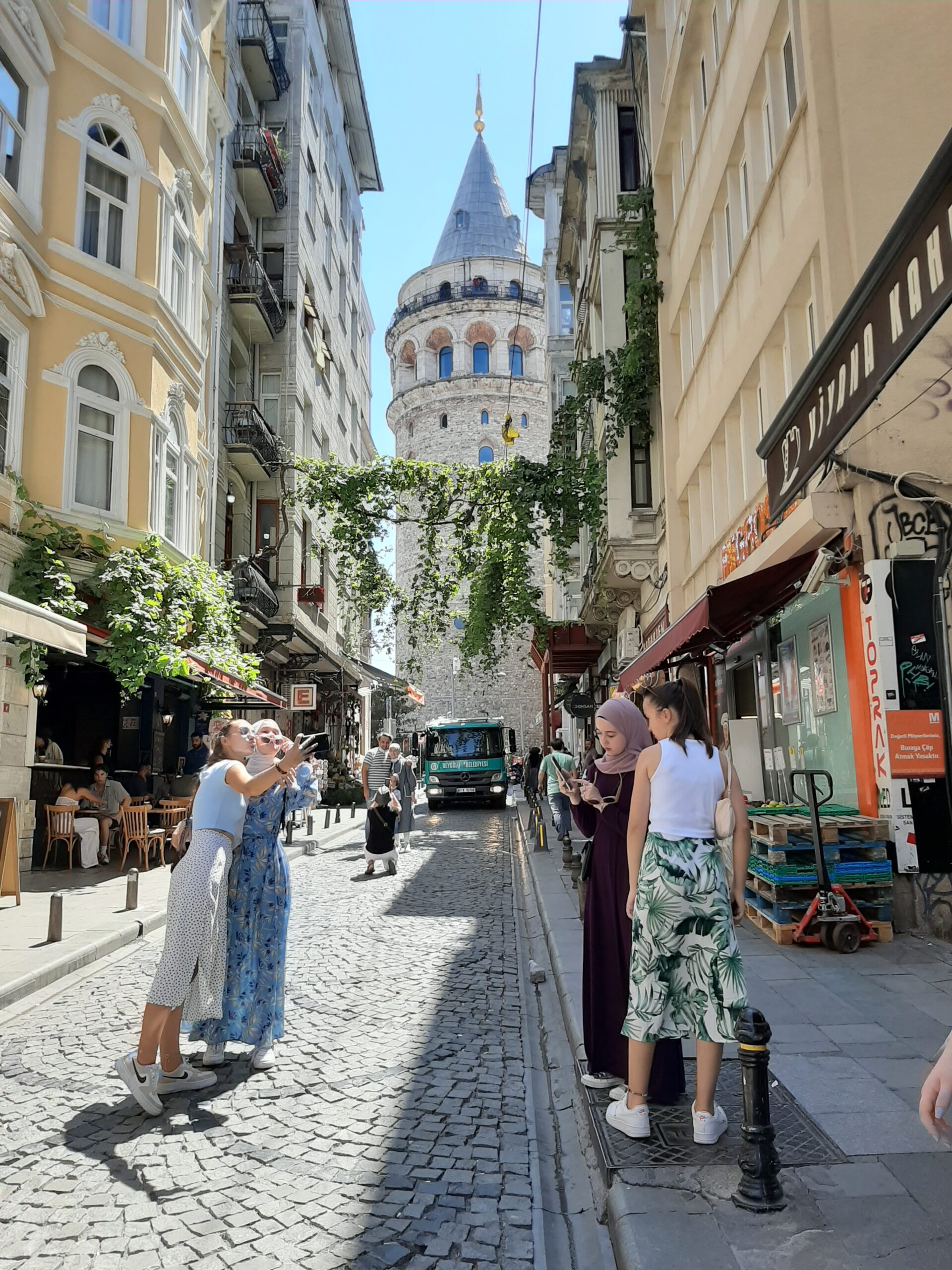
Dresses and skirts are great options for what to wear in Istanbul, just make sure the dress fabric isn’t too sheer. If it’s sleeveless, well, you’ve always got a scarf to use. Skirts don’t have to be super long but save the ones that could double as a belt for clubbing.
Whether you carry all your gear in a day pack (), or a crossbody bag, make sure you always have water. As far as I know Istanbul doesn’t have any free or use for a fee water refill stations, but you can buy bottled water everywhere. If I’m travelling elsewhere in Turkey with my husband Kim and we’re staying somewhere for a few days we buy a 5 litre bottle and refill our own drink bottles from it.
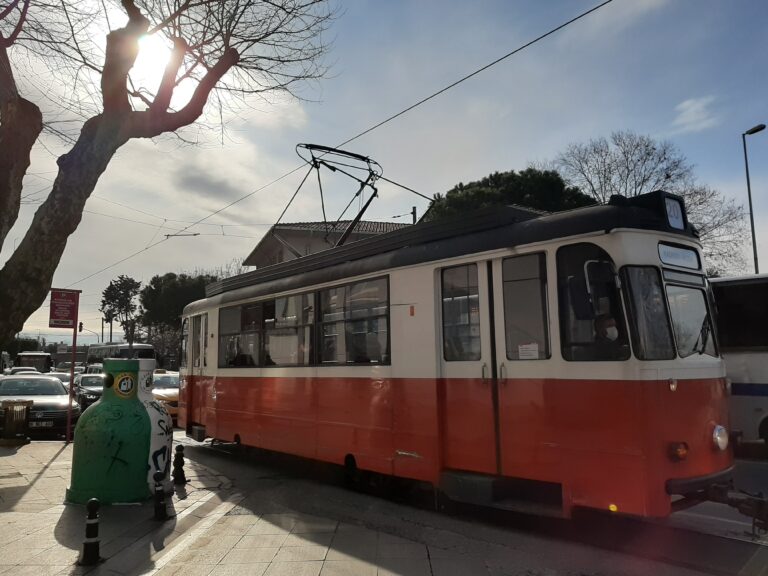
Istanbul is generally pretty safe but there are pickpockets around, particularly on the tram that goes from Sultanahmet down to Eminonu and across to Karakoy. Don’t pack valuables in the outside pockets of your day pack, and keep everything well zipped up. If in doubt, carry your bag in front of you and cross an arm over it if you’re standing up on a crowded bus, train or tram. Here are some other tips on staying safe in Turkey.

When it comes to what to wear in Istanbul, choosing the right shoes is important. I wear sturdy walking boots or sports shoes even in summer. Sandals don’t offer any protection against bits of metal ticking out from the sidewalk and the pretty cobblestoned streets in Sultanahmet are really hard on your feet. I pack a pair in case I want to dress up at night and even pop in an extra silk scarf or two.
You’d be surprised how many outfits you can get with one black top and the right accessories. Plus if you’ve been trooping round in closed shoes all day and are only going a few doors for something to eat, they feel great.
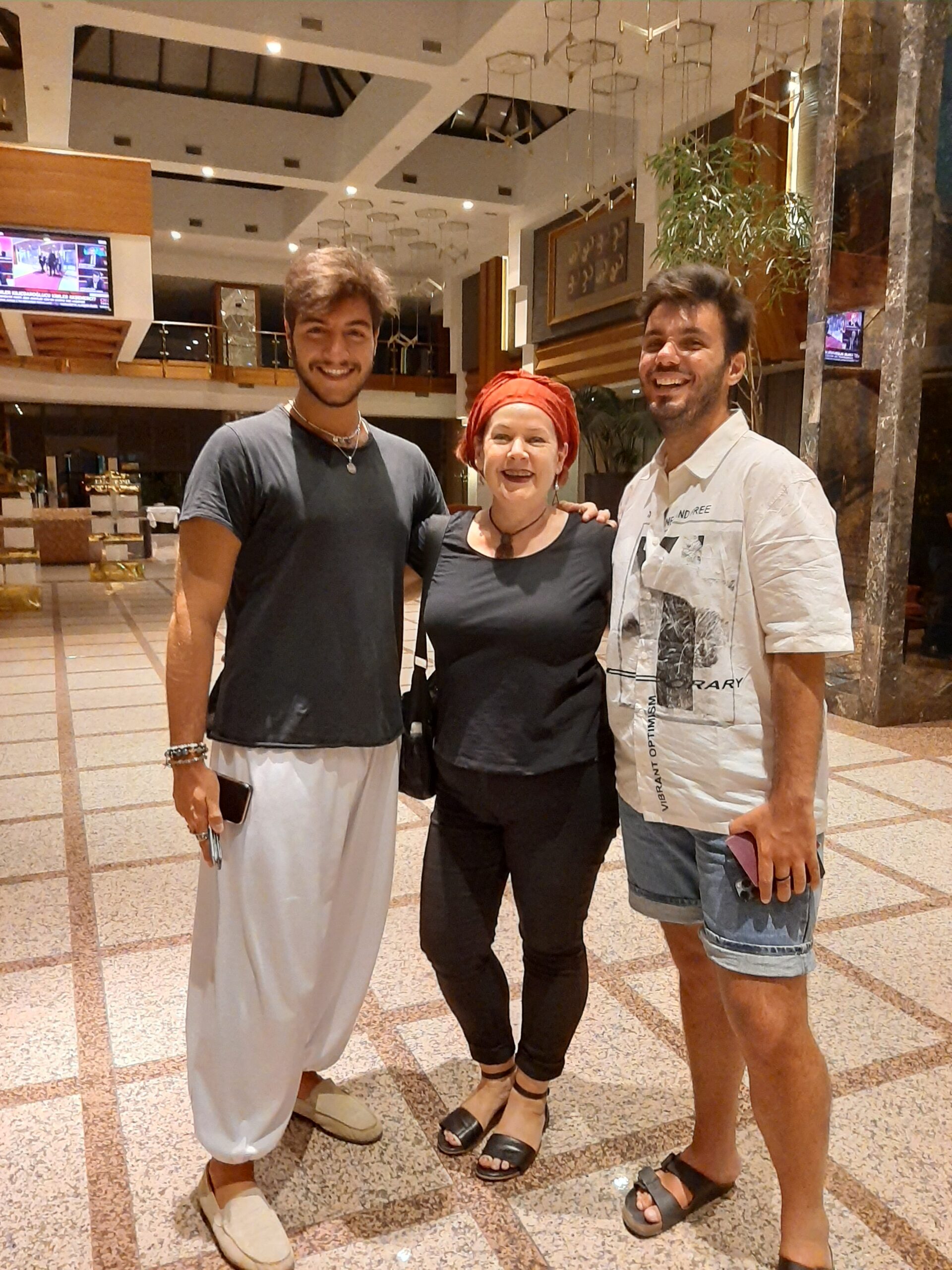
Take a pair of thongs (flipflops) too. Most hotels provide slippers but thongs are handy if there’s a pool or you’re holidaying on the Mediterranean and are in and out of the sea all day, like I am when I go to Kas.
I wear walking boots in winter because the beautiful marble and ancient stone floors you find in many places like the Grand Bazaar and Suleymaniye Mosque are freezing! For evenings I change into a pair of waterproof but light sneakers, or comfy light leather boots.
Istanbul and your health
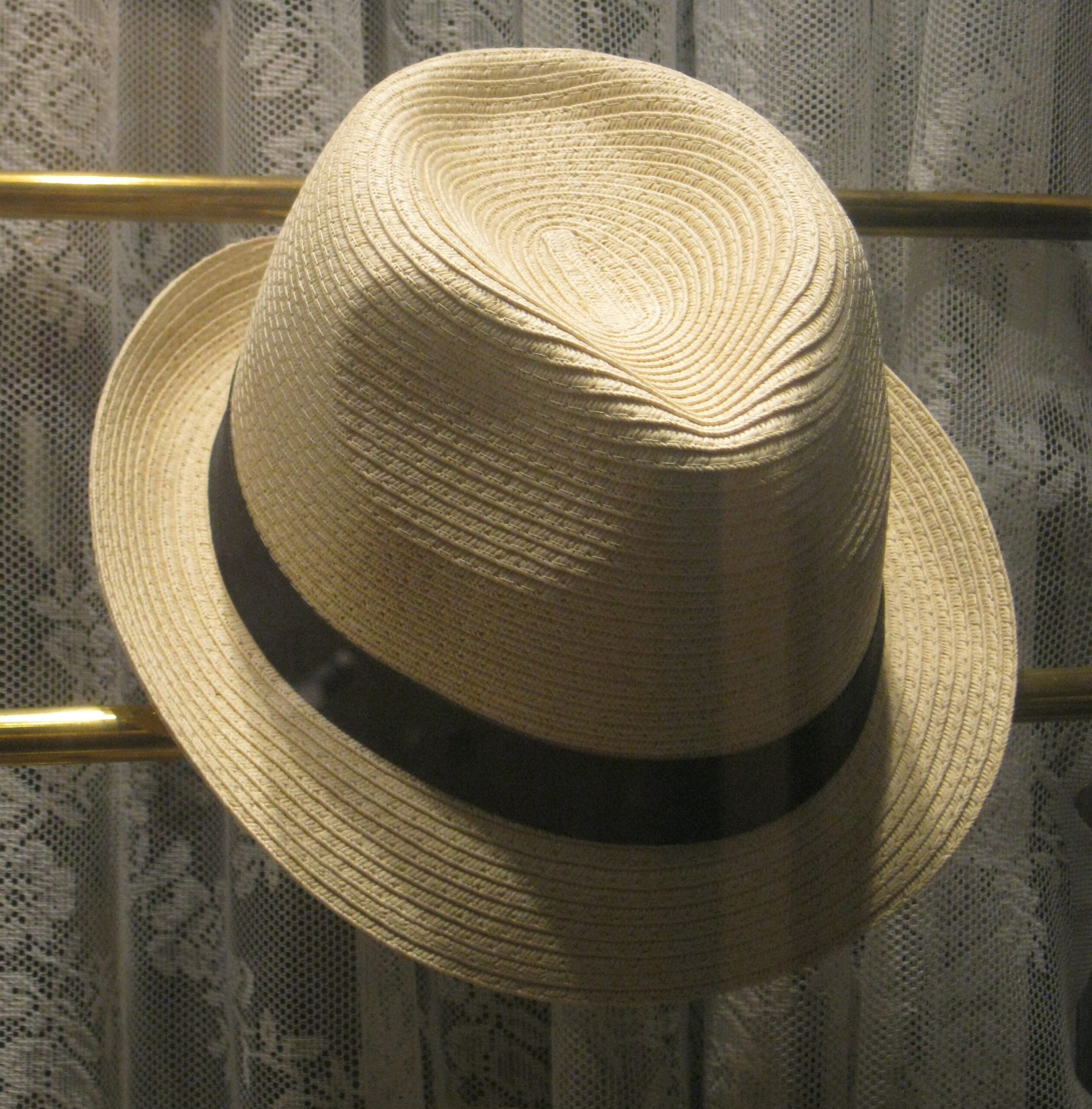
Being Australian and exposed to the hole in the ozone layer from a young age I always wear a hat in the hotter months. These days there’s a great range of travel hats available. Additionally, I never, ever go out without slathering on sunscreen. I carry a small bottle of factor 50+ sunscreen in whatever bag I have so I can regularly reapply it when it sweats off.
Year-round Istanbul is hit by a mistral or wind called a Lodos. This fierce wind blows into the city from the southwest, often coming up from Africa and bringing plumes of fine dust on hot air currents. These winds are usually strongest in the afternoon and almost always dissipate come the night. I’ve mainly experienced them in summer when they whip up out of nowhere, knocking over signs and chairs.
They’re known to trigger headaches especially in people like me who suffer from migraines and sinusitis. If you’re the same make sure you pack nasal spray and sinus tablets but if you forget or run out, head for an eczane, Turkish for chemist. Many products are available in Turkey under different names, and generic alternatives abound. Wearing a mask can help reduce the effects.
Forgot to pack something?
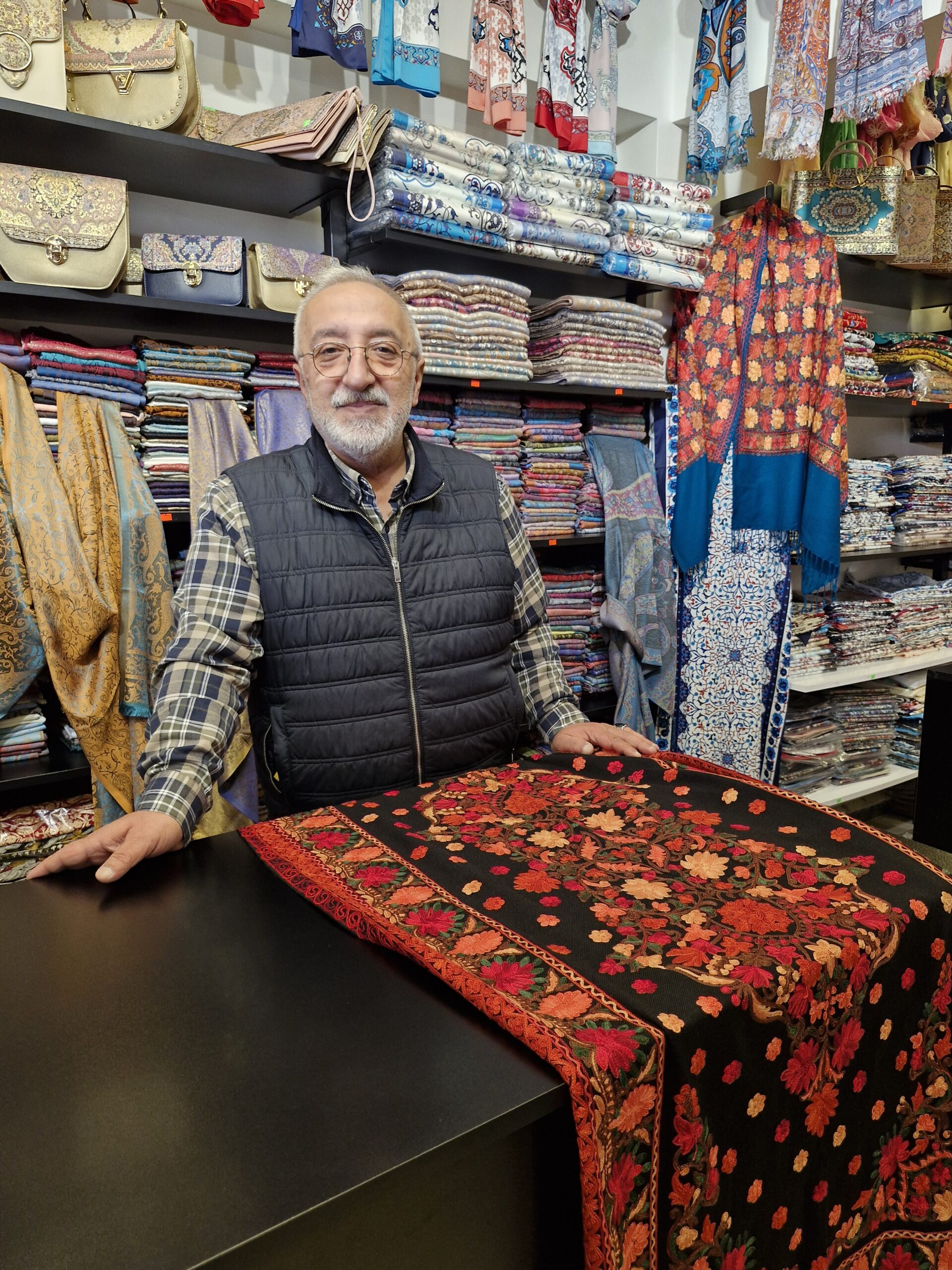
Even though Turkey, like the rest of the world, has been hit by a cost-of-living crisis, your dollars, pounds and euros do go a long way here so you can always go shopping if you’ve forgotten to pack something. LC Waikiki and Defacto have a good range of basics at reasonable prices but don’t forget to leave space in your bag for souvenirs. Turkey produces a lot of wonderful items, both practical and beautiful. Many of them are made by co-operatives so when you treat yourself, you’re helping others.
Practical tips to make the most of your stay
Now you know what to wear in Istanbul in summer, here are some other helpful tips to make the most of your visit. First up, before you even buy your plane ticket, check whether you need an evisa. Here’s my post on everything to know before you take off, including how to buy one from the official Turkish government website so you don’t pay extra.
Even if I never claim on it, I always take out travel insurance. I recommend Visitors Coverage.
eSIM are the way to stay connected wherever you travel. I recommend Truely, an eSIM provider working with local telcos. You can buy it before or after you arrive in Turkey, a convenience other esim providers no longer offer and can opt for 1 to as many days as you need, instead of being limited to 7, 15 or 30 days. Plus you can reload as you need. Truely eSIM are straightforward to install and activate but if you have any problems their responsive Whatsapp customer service is available 24/7.
Use my code: insideoutinistanbul and get 5% off when you order through the Truely website.
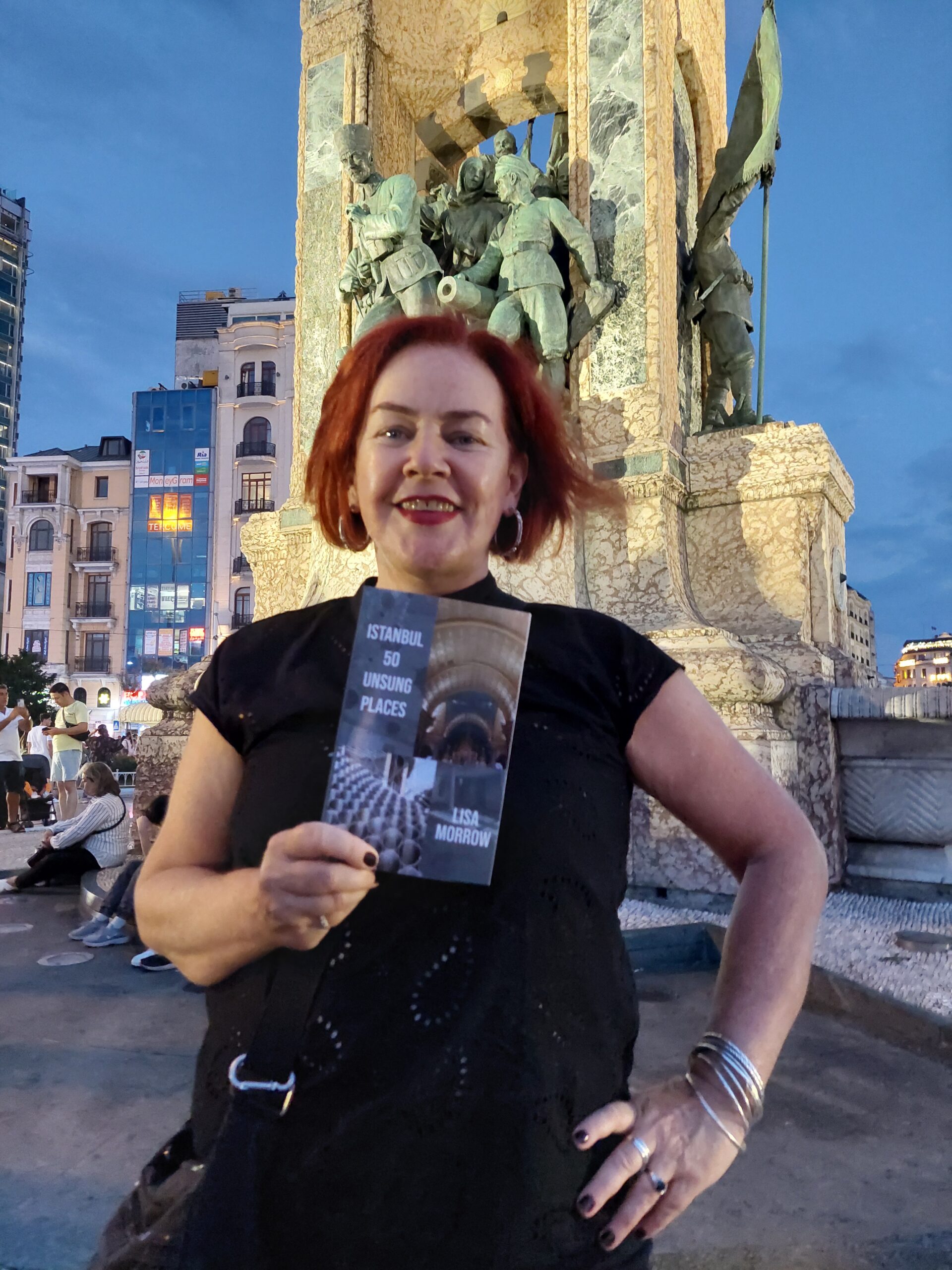
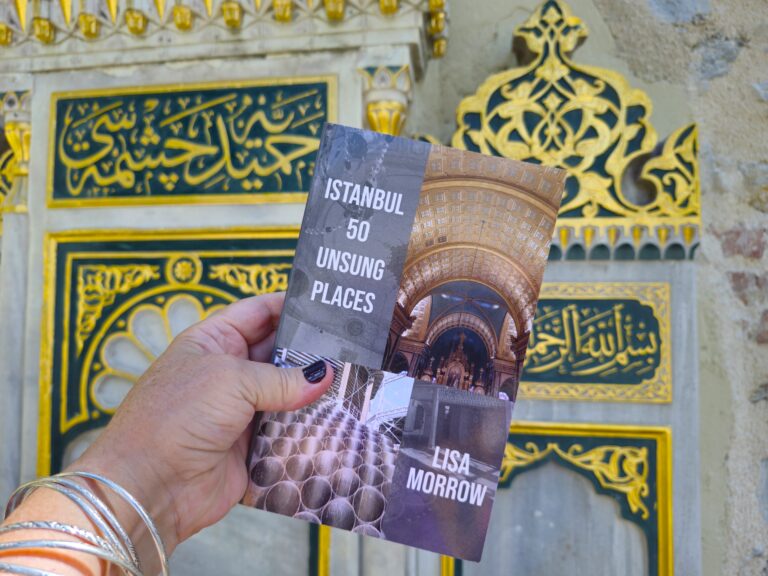
City tours and day trips: Let me guide you around Kadikoy with my audio walking tour Stepping back through Chalcedon or venture further afield with Istanbul 50 Unsung Places, my bespoke guidebook. I know you’ll love visiting the lesser-known sites I’ve included. It’s based on using public transport as much as possible so you won’t be adding too much to your carbon footprint. Then read about what you’ve seen and experienced in my three essay collections and memoir about moving to Istanbul permanently.
Browse the GetYourGuide website or Viator to find even more ways to experience Istanbul and Turkey with food tours, visits to the old city, evening Bosphorus cruises and more!
Iyi yolculuklar. Happy travels!