
Is it safe to travel to Turkey? UPDATED 27 October 2026.
Ever since I first started writing about Istanbul and Turkey more than ten years ago, people have been asking “Is it safe to come to Turkey?” I’ve had private messages saying “I’m an American. Will I be safe? and women asking if they need to wear a headscarf, burqa or long coat. This has become worse over the last couple of years and the way I see it, there are a couple of reasons for this. One is a lack of knowledge, both political and geographical.
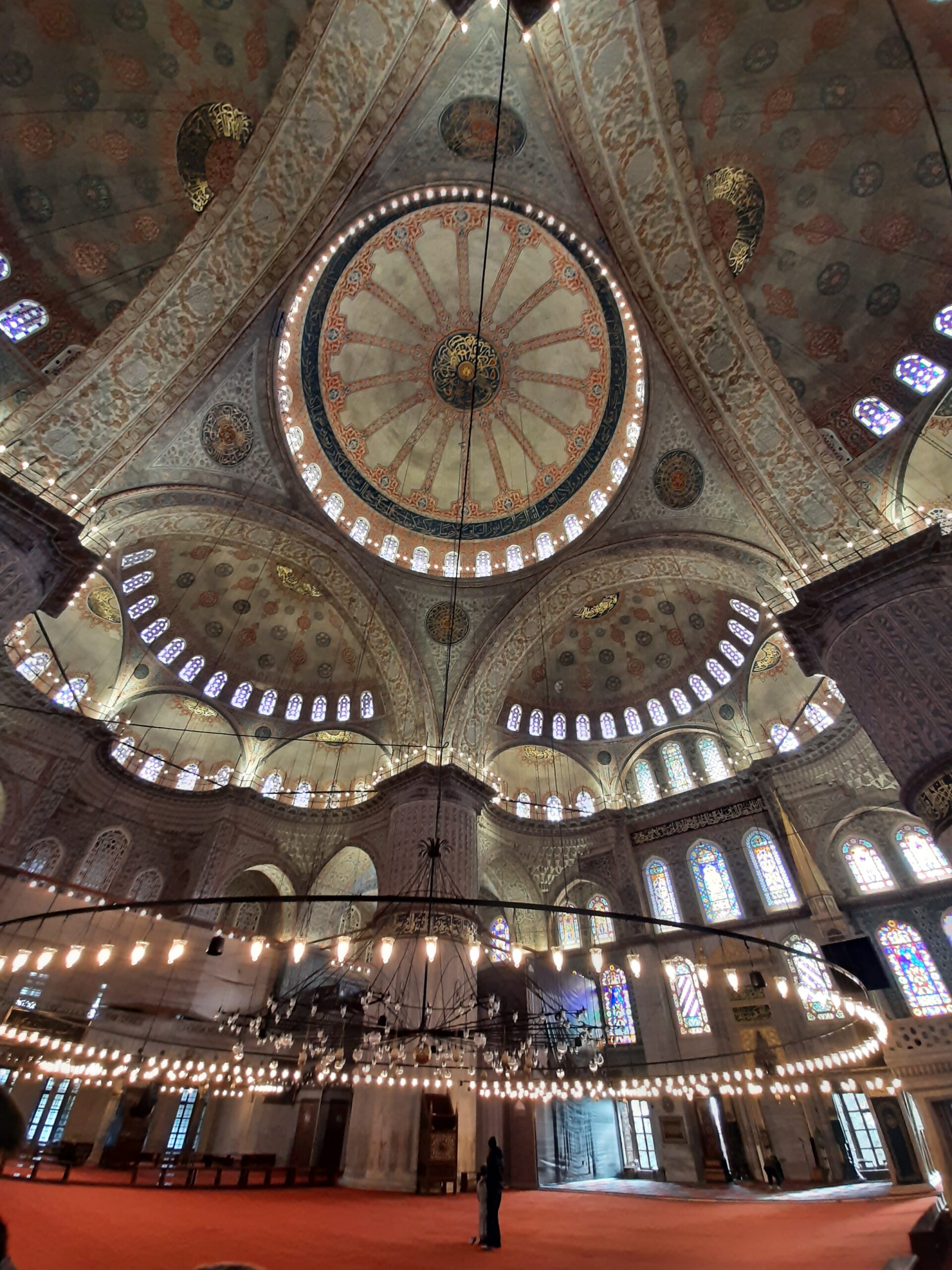
Yes, Turkey is a Muslim country and yes, it’s near the Middle East, but it isn’t part of it. Turks aren’t Arabs and while events in Egypt, Iran, Lebanon and Palestine can have an impact on government policy, this rarely translates to changes in everyday life. Whatever else is happening in the world, tourist centres in Istanbul and elsewhere in the country are generally safe to visit, with good security in place.
Another reason people van assume Turkey is a hotspot of turmoil is simply down to not knowing the geography of the area. To put things in perspective, although flights from Istanbul to Iran, Israel and other neighbouring countries only take a few hours, they are some distance apart by road. Tehran is 2432km from Istanbul while Tel Aviv is nearly 1800km away.
As for what women should expect to experience when they come to Turkey, I’ve dedicated this whole post to tips for solo women travellers (some are good ideas for men too!).
What’s happened in Turkey so far in 2026?

For some months after US and Israel combined forces to attack Iran in February 2026, airspace in Iran and elsewhere was closed and airlines redirected or cancelled those routes for a number of months. As this unprovoked attack continued a handful of missiles allegedly fired from Iran were intercepted over Turkey by NATO defensive elements. Iran has denied responsibility for these attacks and so far nothing has changed militarily between Iran and Turkey.
What’s happening in Turkey now?

Turkish airspace is open and operating as per usual so you can fly into Istanbul Airport or Sabiha Gokcen Airport and easily travel within the country by plane. If you have more time and want to see more of the marvellous landscapes, Turkey has great long-distance bus services. They’re clean and reliable and nothing like Greyhound Buses.
Sometimes there are marches and rallies in Istanbul and elsewhere in the country in response to Israel’s ongoing attacks on Gaza and sometimes Lebanon. If you do come across a rally, most official government websites advise you not to linger. It’s a good suggestion as emotions can run high and you don’t want to get caught up in anything. If police or army personnel tell you to move along, do as they say. On a more practical note, when marches do take place streets can be shut down and public transport rerouted, so if you have to get anywhere in a hurry best allow extra time.
Is it safe to travel to Turkey now?
Right now, my neighbours and friends here on the Asian side of Istanbul and other parts of the city are going about their lives as normal. This means carrying our identity cards on our person all the time, as per Turkish law. This applies to tourists as well, even when you’re on the beach. You have to show the original of your passport or national ID card, not a copy, otherwise you will be fined.

Security checks are the norm on intercity bus travel in Turkey, but I’m aware for people who don’t live here and have little or no experience of what Turkey is like, the news being spread on social media and elsewhere might make them think twice about whether to go through with holiday plans in the place I call home.
I think what I originally wrote in 2016 in response to a woman who admires my writing and contacted me via a DM on my Inside Out In Istanbul Facebook page still applies. She had a hotel reservation on the European side of Istanbul for the week after a bombing in 2016, and wanted my opinion on whether it was safe to travel to Turkey. It wasn’t her first visit here so she knew the layout of the city, how crowded the streets can be, and that comparing security in Turkey with that in other countries is pointless. After all, national security forces haven’t stop attacks elsewhere in the world.
I’m not a trite ‘I could get hit by a bus tomorrow so why worry?’ type. Even given how insane Istanbul traffic is at times, in that scenario, one has the choice to look both ways before crossing. A bombing doesn’t give you that option. However I can’t agree with the flipside which says it’s far too dangerous to travel to this part of the world at the moment so you shouldn’t come.
How to decide for yourself if it’s safe to travel to Turkey

One way to decide if it’s safe to travel to Turkey it to check what your government says. I don’t monitor Australia’s travel warnings for Turkey regularly, but when I looked to update this post, they were no different from a few years ago. They warn Australians to exercise a high degree of caution overall (sensible advice for many countries these days), to not travel within ten kilometres of the border with Syria (given how little is there of tourist interest, why would you?) and to reconsider your need to visit Hakkarı and Şırnak (neither of which have ever been tourist destinations to my knowledge).
Depending on where you’re from, check with your own government’s foreign office. Some will say much the same as Australia and don’t explicitly say it is not safe to travel to Turkey.
This latter point is important in terms of the consequences if you do decide to cancel your holiday plans. At the moment, unless your travel insurance covers you for unexpected cancellations, you won’t get your money back if you decide not to come to Turkey. However if your government does change their warning and state that travel to Turkey is unsafe, then you would be entitled to a refund.

In summary, if you’re after a definitive answer as to whether you should come to Turkey now, I can’t give you one. I live here. My idea of feeling safe might be your it’s too dangerous and my comfort levels set at too much risk-taking for you. Only you know how you feel. What I will say is make sure you have travel insurance and be prepared (mentally and financially) to change your plans should the need arise. Additionally, register with your consulate so you can receive warnings about which places to avoid, and how to keep safe should something happen.
Should you happen to be in Turkey when a terrorist event, natural disaster or other incident occurs, many social media platforms like Facebook, Youtube and so on may run slowly or temporarily be blocked completely.
As for that woman on Facebook, the one who asked me what I thought, she got back to me and thanked me for my kindness. After considering all the possibilities she made up her mind and came as planned, and has visited many times since then
**************************
Here are some oter practical tips to help you plan your trip to Istanbul and Turkey
For FLIGHTS I like to use Expedia.
Don’t pay extra for an E-VISA. Here’s my post on everything to know before you take off.
eSIM are the way to stay connected wherever you travel. I recommend Truely, an eSIM provider working with local telcos. You can buy it before or after you arrive in Turkey, a convenience other esim providers no longer offer and can opt for 1 to as many days as you need, instead of being limited to 7, 15 or 30 days. Plus you can reload as you need. Truely eSIM are straightforward to install and activate but if you have any problems their responsive Whatsapp customer service is available 24/7.
Use my code: insideoutinistanbul and get 5% off when you order through the Truely website.
I’m a big advocate of public transport, but know it’s not suitable for everyone all the time. When I need to be picked up from or get to either of the airports in Istanbul, I use MELON TAXI AIRPORT TRANSFERS.
ACCOMMODATION: When I want to find a place to stay I use Booking.com.
CITY TOURS & DAY TRIPS: Let me guide you around Kadikoy with my audio walking tour Stepping back through Chalcedon or venture further afield with my bespoke guidebook Istanbul 50 Unsung Places. I know you’ll love visiting the lesser-known sites I’ve included. It’s based on using public transport as much as possible so you won’t be adding too much to your carbon footprint. Then read about what you’ve seen and experienced in my three essay collections and memoir about moving to Istanbul permanently.
Browse the GetYourGuide website or Viator to find even more ways to experience Istanbul and Turkey with food tours, visits to the old city, evening Bosphorus cruises and more!
However you travel, stay safe and have fun! Iyi yolculuklar.

Thank you so much for this updated post – I actually managed to explore Istanbul at the end of February this year, mere weeks before all this massive protest wave took place. Once my trip in Turkey ended I wanted to fly back sometimes at a later point. Still, the current events out there discouraged me to plan a trip there. I am also not a type of “so why worry?” person or even worse I would say I tend to take things too seriously. Anyway, be safe and healthy in Istanbul
I’m glad you found my post helpful. Here’s an update on the situation at the moment. First up, to be clear, I am not a journalist. I am an author and freelance travel writer living in a quiet part of the city and life is much as usual here.
To date the biggest protests have taken place in Sarachane (betweem Vezneciler and Kadinlar Pazaar) and on the Asian side of the city. Neither area is popular with tourists. Most tourists spend time in Sultanahmet and surrounding neighbourhoods, which are a long way from either of the areas I’ve mentioned.
Taksim Square has been blocked by police barricades and on some days the Taksim metro station was closed, although train services still ran through it on those occasions. There are police, water cannons and police transport vehicles at major intersections and in side streets along walking streets such as Istiklal on the European side of the city and Bahariye on the Asian side.
As of 25 March 2025, the opposition CHP have been arranging mass rallies twice a week one in an İstanbul district on Wednesdays and another in different provinces on the weekends. There is a nationwide petition being circulated calling for the released of Ekrem Imamoğlu and early elections, so you will see stands with people collecting signatures. There are also large-scale boycotts in place and at 8pm each night people will bang pots, blow whistles, honk car horns and play music in protest.
Small local protests still take place in different parts of the city, but Istanbul is huge so it is not possible to give an exact assessment of the situation at any given time.
If you do happen upon a protest the best thing to do is to continue on your way. Don’t stop or take photos. Few if any of the protestors are violent, however the police response can be far less measured. Likely what you are seeing in the media is people reacting to police actions rather than anything else.
Hi I am an Indian living here in Turkey and I am constantly asked the same question. My answer always is, there is no place in the world one can feel completely safe today so Turkey is as safe or unsafe as London, Paris, Mumbai or New York. But living here myself I often question my own safety in a country where the political situation is so unstable.