Ankara – What to see and do
A little while ago I went on a trip to Diyarbakir and Ankara with my husband Kim. We last went there together in 2004, and this time we went with friends Safi, Stephen and their son Cyrus. I met them by chance when I was on a press trip to Bursa. The schedule was manic but as we were racing past Koza Han I heard an Australian accent. I turned to look and caught my first glimpse of Safi and when I saw her a bit later on I just had to stop and say hello. The rest as they say is history and we are now very good friends.
Ankara History
Like Canberra, the capital city of Australia (where I was born), modern day Ankara has all the hallmarks of a city of bureaucrats. Dozens of anonymous government buildings, miles of wide boulevards and a sense of something big happening nearby, if only you know the address. However unlike Canberra that was founded in 1913, Ankara has a much older history.
Written sources mention a city here as early as the 2nd millennium BCE. It was called by various names throughout history, all of them similar to the modern day name, such the Hittite cultural centre of Ankuwas, and the Greek Ankyra. Over the centuries individuals such as Alexander the Great and Persian King Darius I have been associated with the city, and even the Galatians. They were Celts who came to Anatolia from Europe in three separate waves. The branch who stayed arrived around 278–277 BCE.
Fast forward to life under Byzantine rule. It was pretty peaceful until the Arab raids in the 7th century CE, the same invasion that saw the advent of underground cave complexes in Cappadocia, followed by the Battle of Manzikert in 1071 which saw the city come under Seljuk rule. The Seljuks changed the name to Engürü and undertook significant urban development.
Next came the Mongol invasions of Anatolia. They set up local leaders the Ahi Beys who ruled in their name until the Ottomans came along in 1356. Their rule only lasted until 1402 when Ottoman Sultan Bayezid I was defeated by Tamerlane in the Battle of Ankara. However he eventually left Anatolia and the Ottomans took over again.
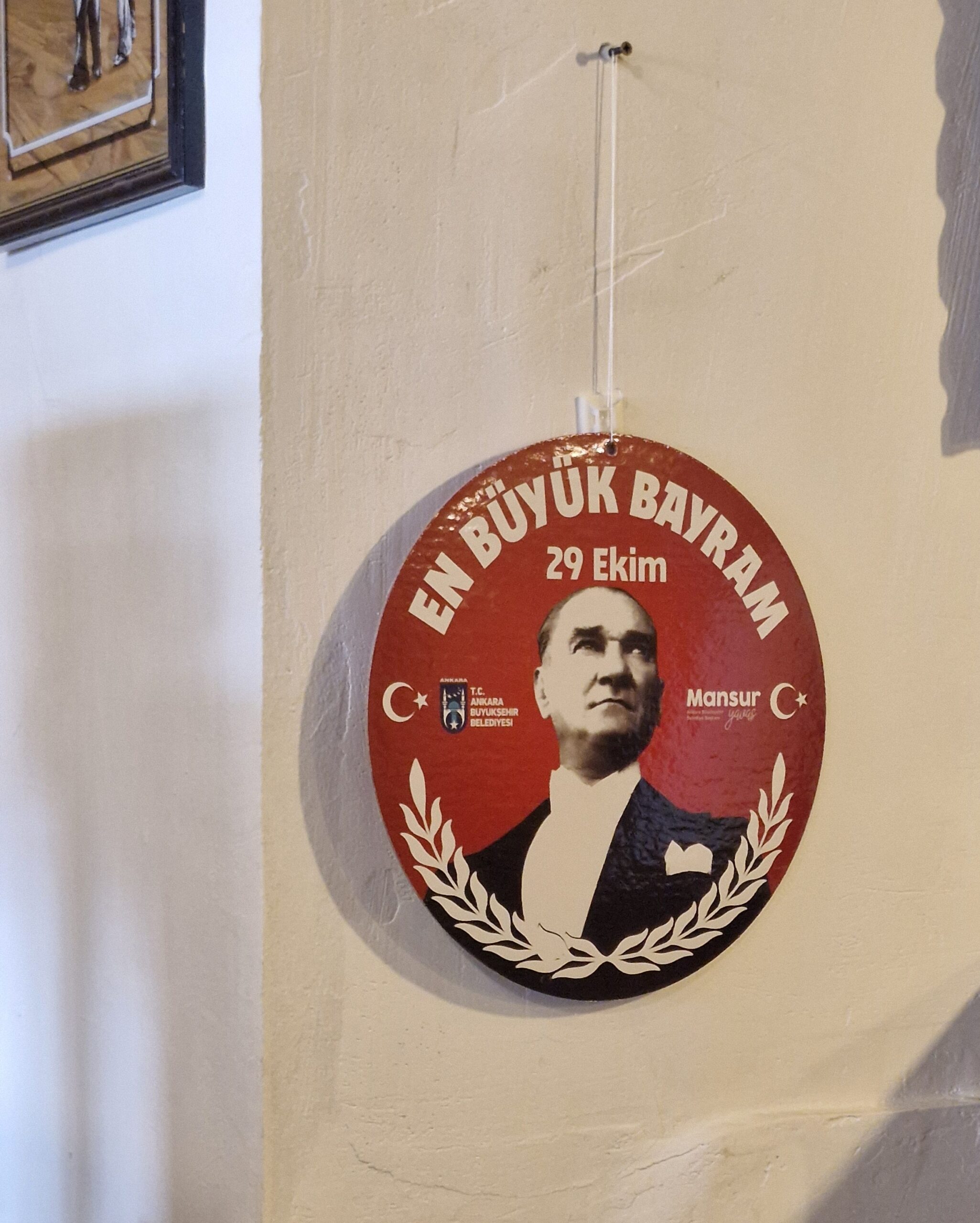
Come the early 17th century and Ankara was on the decline. Rebellions and uprisings saw development halt although it remained an important centre of mohair production and trade. Not long after the Ottoman Empire collapsed in 1922, followed by the Turkish War of Independence (1918-1923), Angora as it was then known became Ankara, the capital of the Republic of Turkey, founded by Mustafa Kemal Atatürk .
Getting around Ankara
Ankara Metro/Ankaray
There’s a lot to see in Ankara and I’m not a taxi person but it’s not too difficult to get around the city using public transport. Luckily for you I’ve done the research for you.
I always prefer metros/trains/trams over buses, because once you know where the station is, it’s easier to navigate than trying to track down the location of which bus stop for what line.
Ankara has five underground metros consisting of four different metro lines and the Ankaray. You can see the map here. You can buy single and multiple use Ankarakart bus cards at most newspaper kiosks, at EGO (bus system) booths, plus metro and Ankaray stations. Alternatively you can just use contactless credit and debit cards.
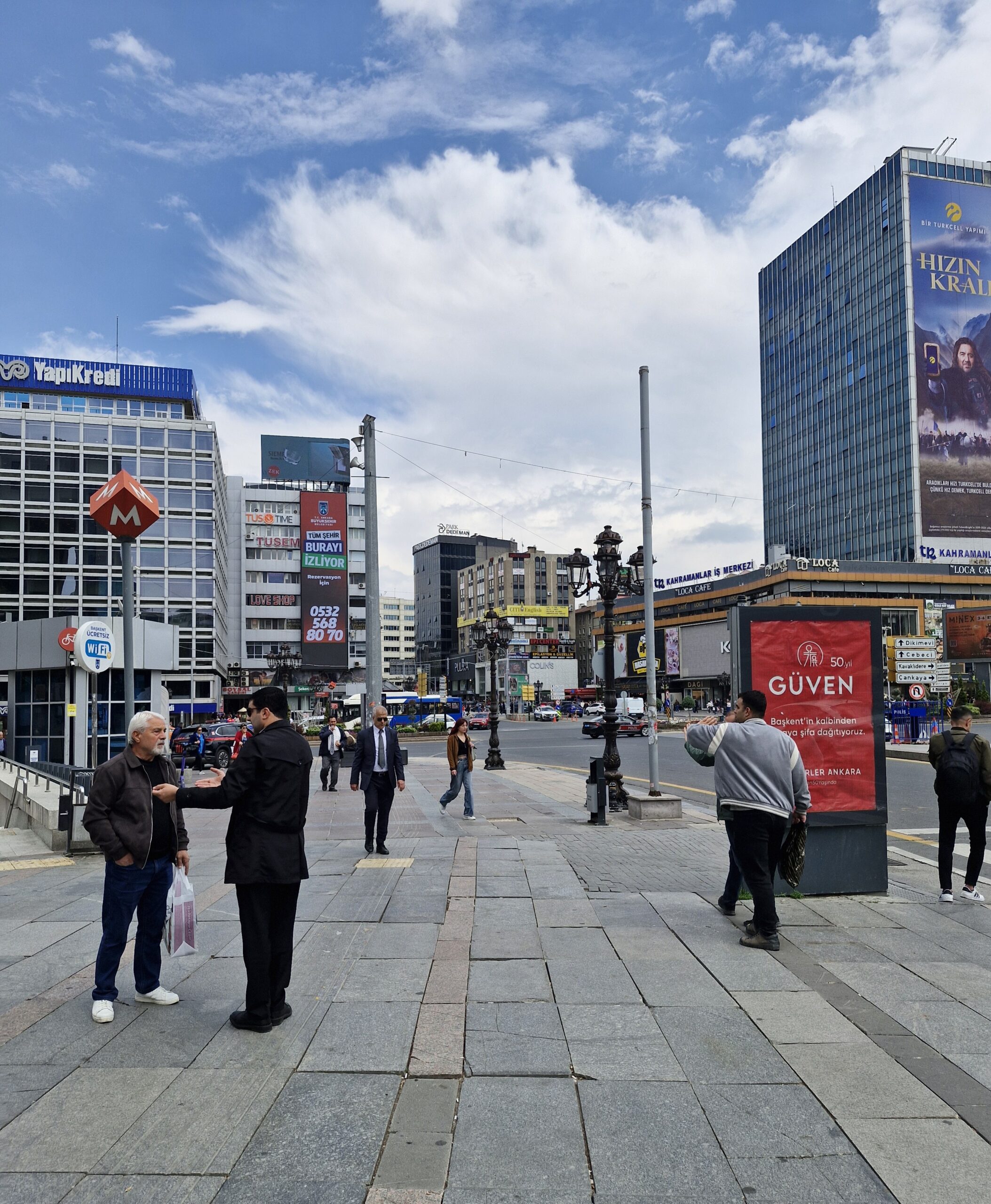
Kızılay is a major interchange station for both metro and buses, with the Keçiören M4 metro line, the Ankara metro and Ankaray all passing through it, but getting from one to the other is very confusing. We had to take two metro lines to Anit Kabir and we couldn’t work out where to go once we got to Kızılay metro station. Luckily the young man we asked for help was very friendly and guided us through the maze to the correct metro. There are signs on the walls directing passengers which way to turn, but it was much easier to be a follower.
He even recommended a restaurant called Aspava where we had a great lunch. Details in the where to eat section.
What to see and do in Ankara
Museum of Anatolian Civilisations (Anadolu Medeniyetleri Müzesi)
This museum was as brilliant this time as my first visit in 1996, even with the presence of horribly noisy high school aged local students. They were a nightmare and we were very happy to report them to security for leaning on ancient statues to take selfies, as well as touching items that were hundreds of years old. Cyrus, who has non-verbal autism was better behaved than all of them.
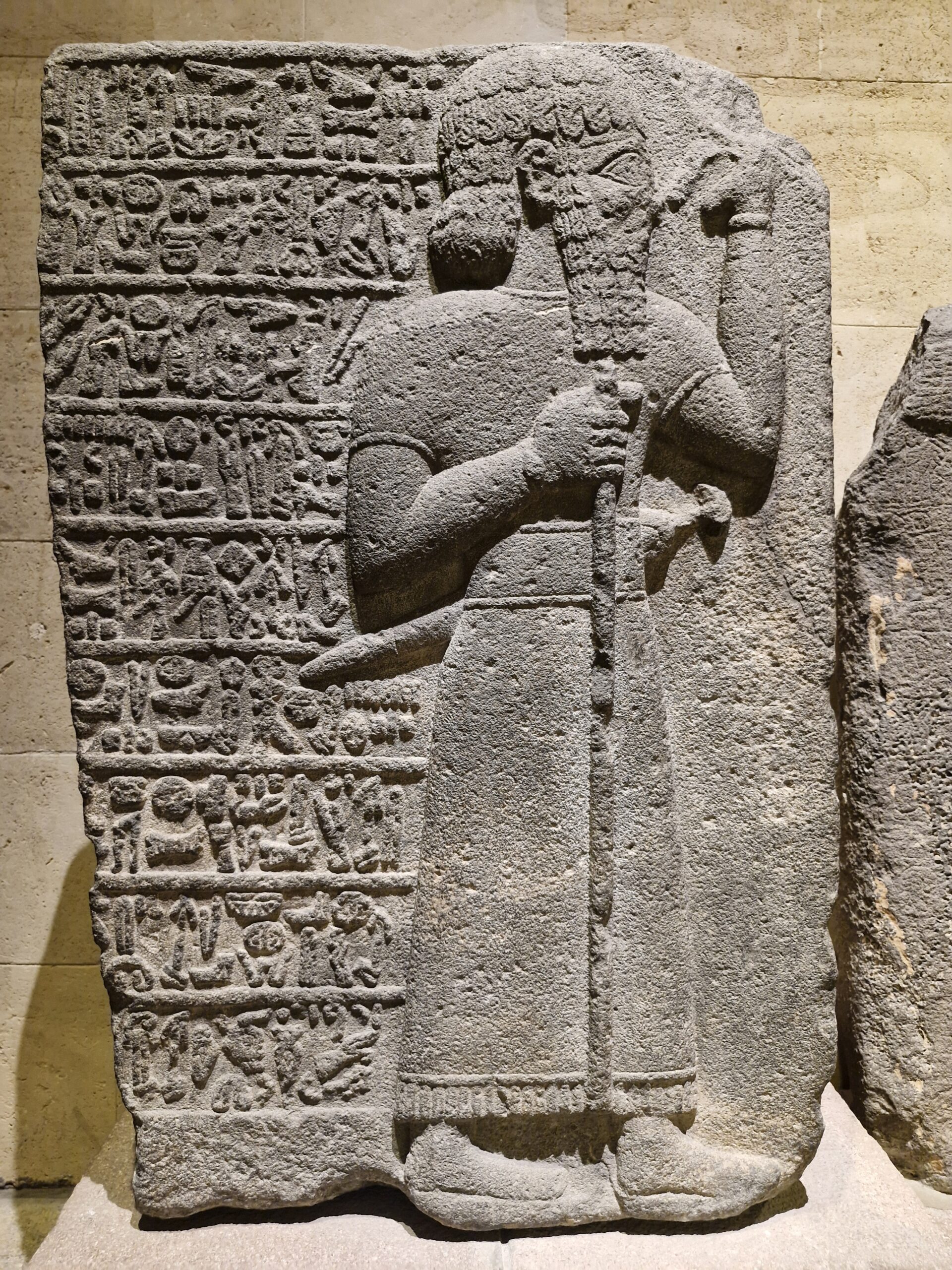
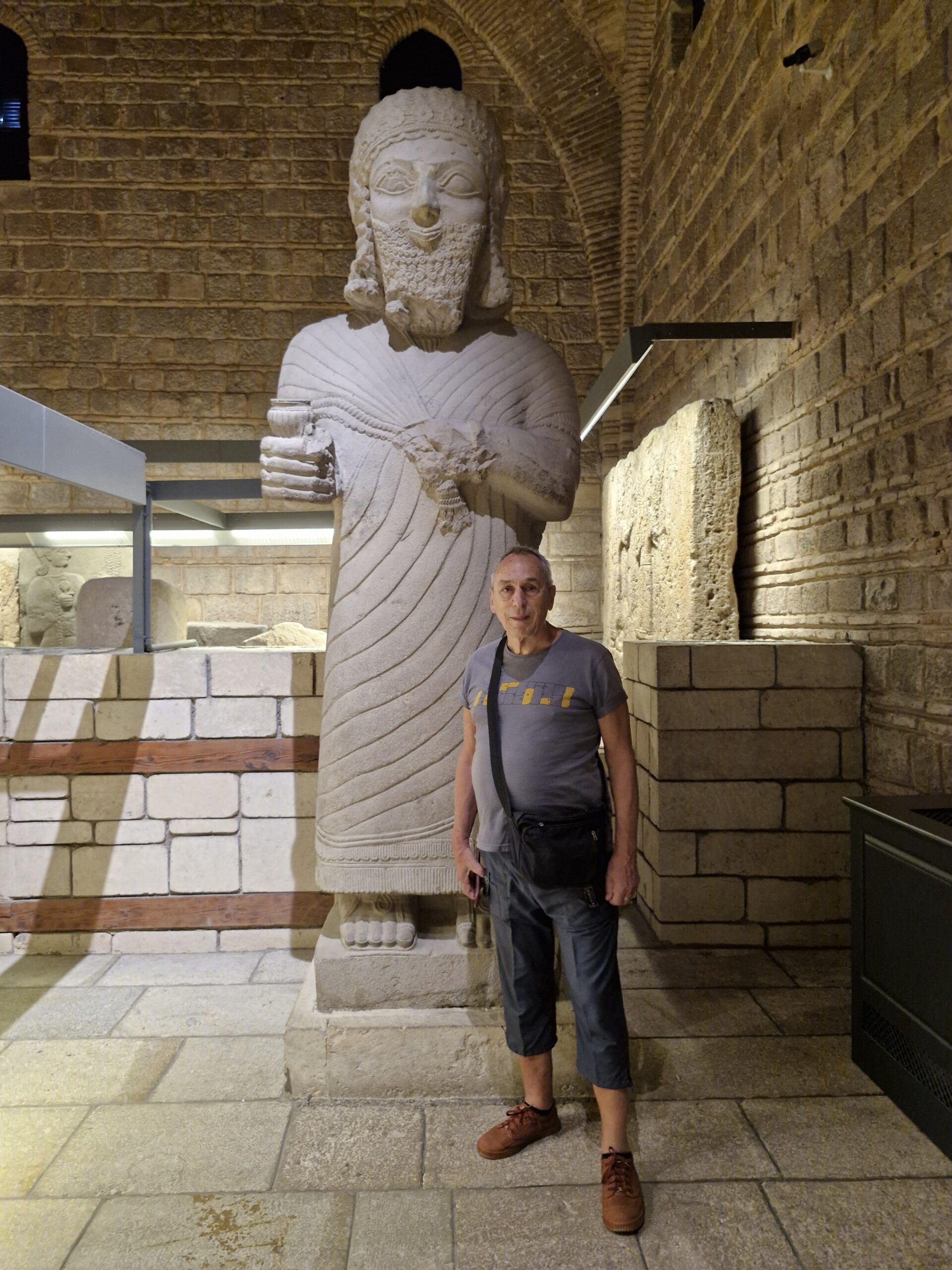
There’s a lot to take in but one of the major highlights are the orthostats. There are dozens of these upright slabs on display, carved with scenes of troops in chariots, worshippers and others, from the Hittite period. Other things of note are the ritual vessels in really interesting shapes, such as a rabbit, pigs, a boot and even a snail. The gold headdress on a skull, complete with teeth, was spectacular, despite the ghoulish aspect. The wooden table from the 8th century BCE is remarkably intact as is the sistrum, a musical instrument, and the various ceremonial stands.
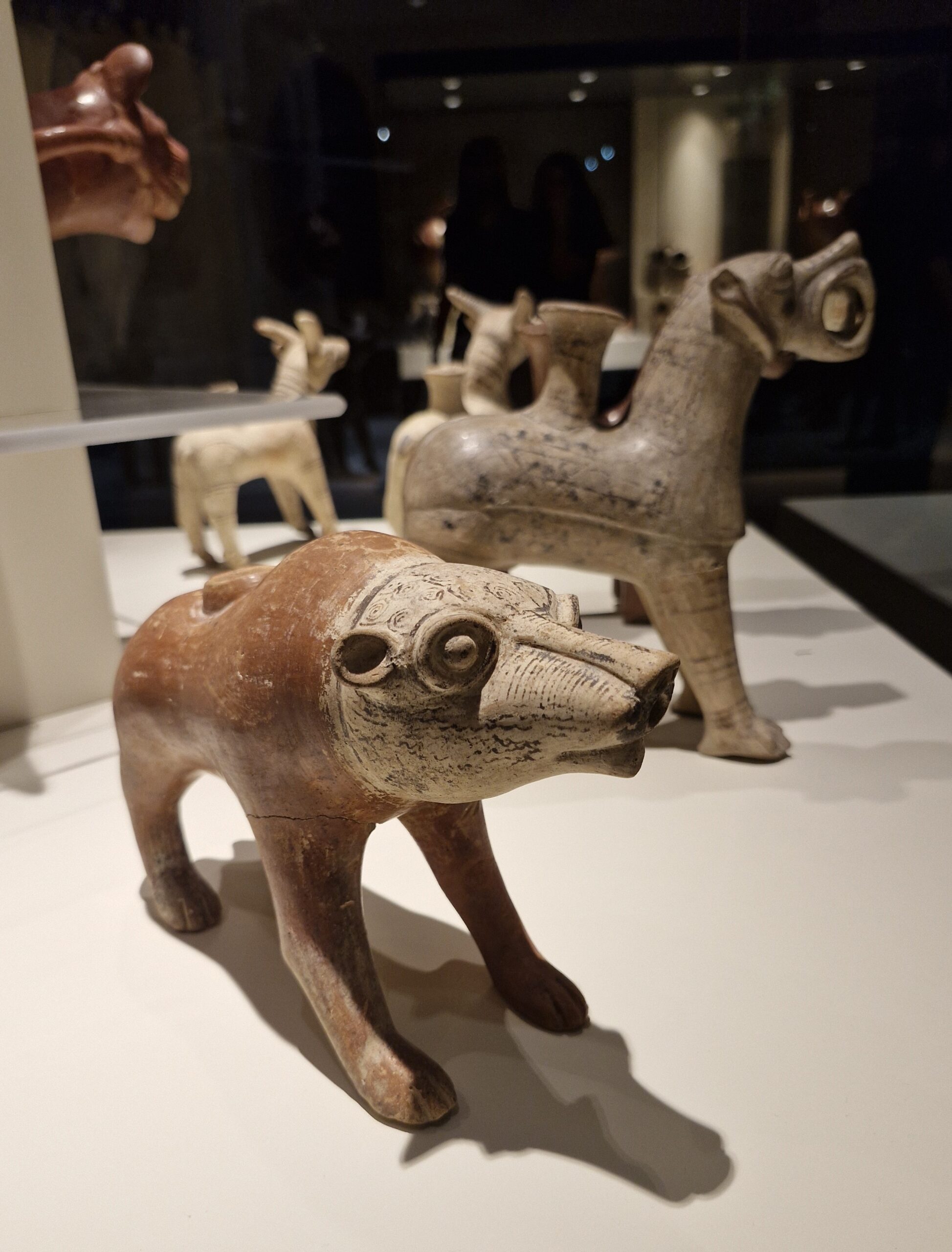
The museum is open 8.30am-7.30pm 1 April-1 Oct and 8.30-5.30pm 1 Oct-31 Mar. Entry costs €12 (payable in lira) or is free with a Müze Kart (this card is only available to Turkish citizens and residents. See here for information about official Museum Passes for tourists in Turkey.).
After we finished in the museum we walked back down the hill and swung by the Divan Çukurhan. Formerly a han, the urban version of a caravanserai where traders spent the night, stabled their animals and safely stored their goods, now it’s an upmarket hotel. We walked into the courtyard but were shooed out rather ungraciously. I get that it is a hotel but usually upmarket hoteliers don’t mind sightseers enjoying the history because after all you never know, we might have wanted to stay there on a future trip. Not now.
Ankara Castle (Ankara Kalesi)
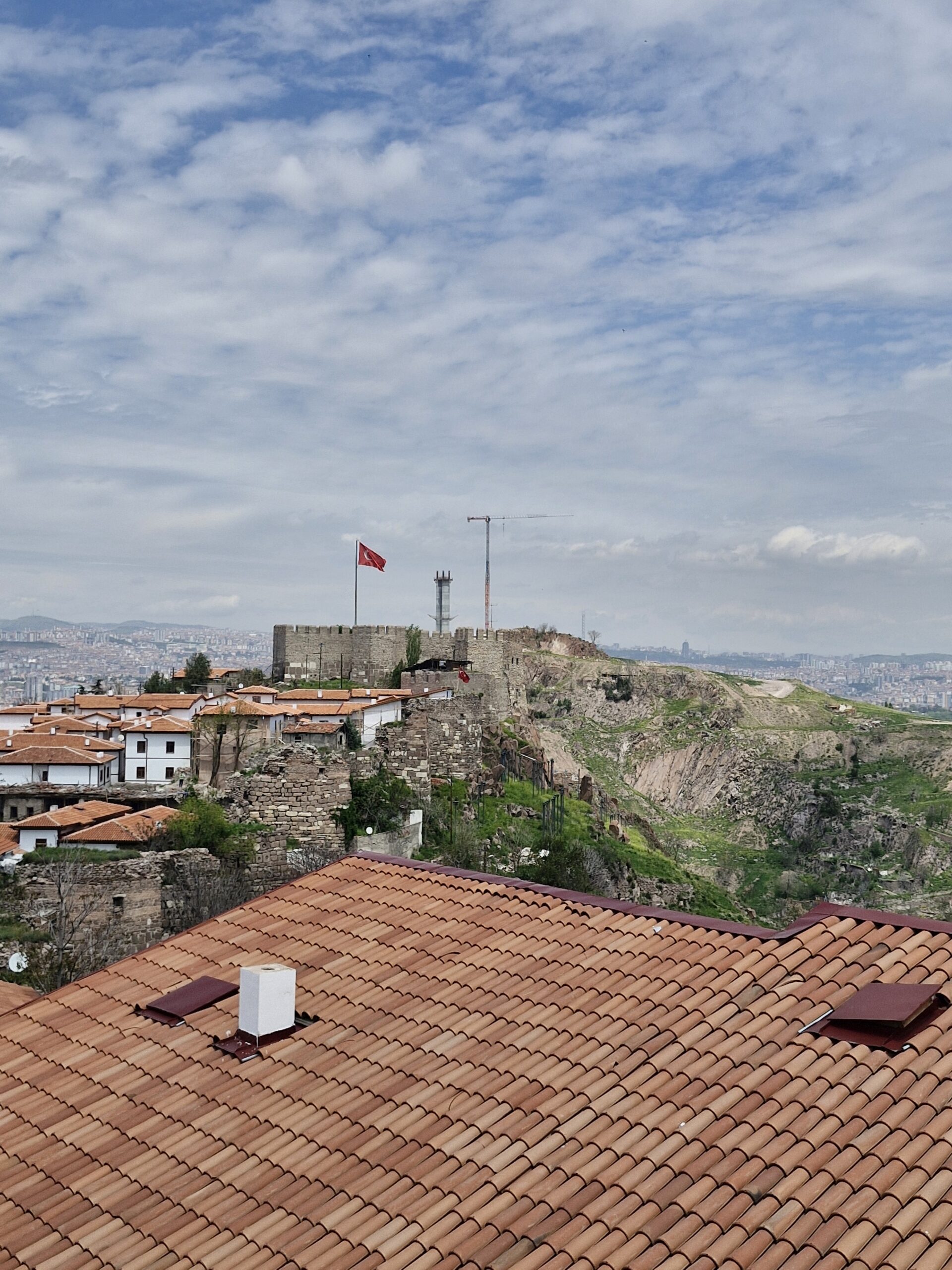
Afterwards we walked up to the old town to enjoy the views from Ankara castle where we met yet more teenagers, thankfully somewhat subdued from having to walk up the hill.
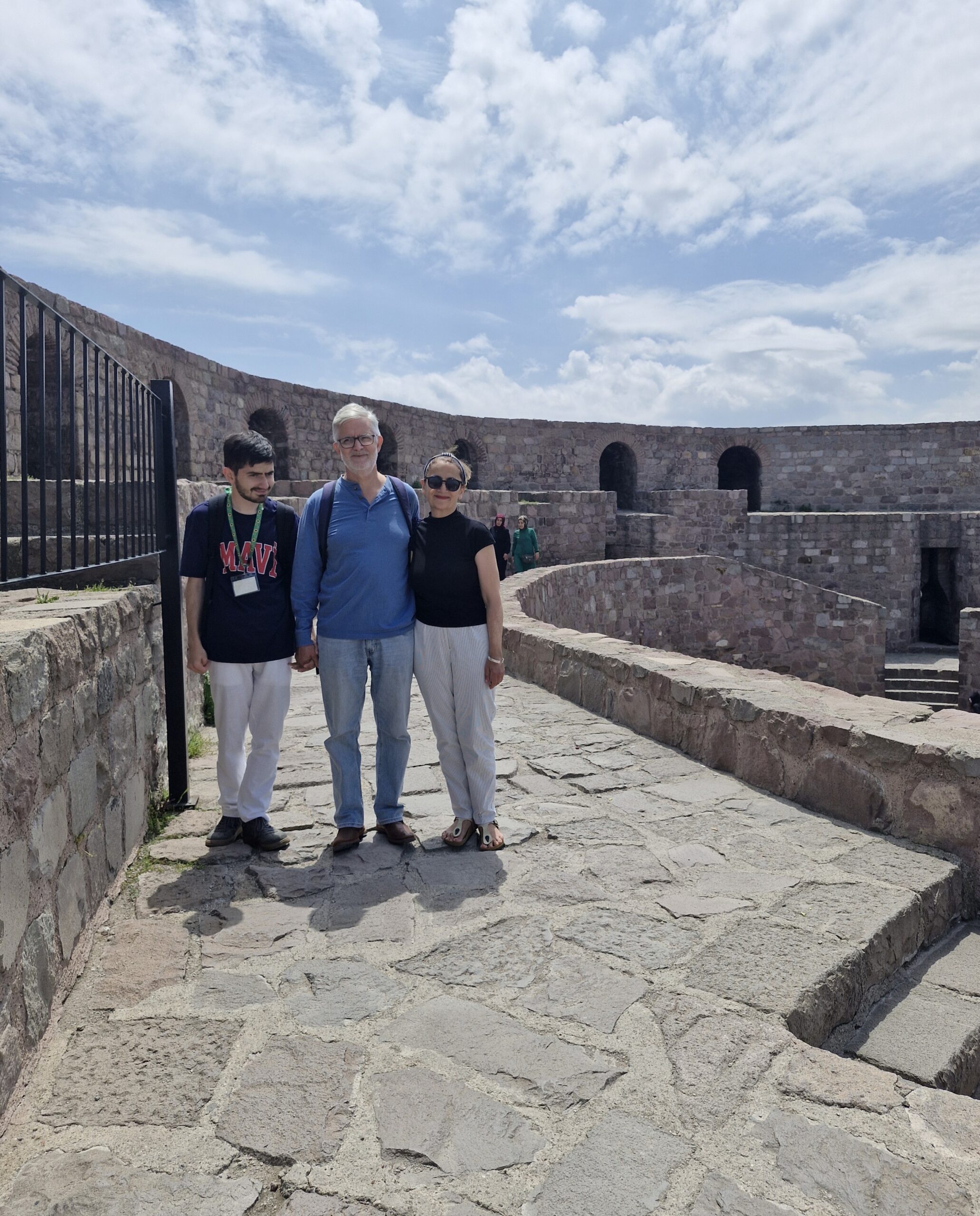
The earliest fortifications on this site were constructed in 8th century BCE by the Phrygians, rebuilt by the Galatians in 278 BCE, followed by more work done by the Roman, Byzantine, Seljuk and Ottoman Empires. In the 17th century, according to famous Ottoman traveller Evliya Çelebi, the fortress itself was hewn from white quartz, contained cannons and other heavy duty weaponry, all surrounded by slippery rocks making access difficult. The inner castle was strategically positioned allowing for panoramic views of Ankara and the walls surrounding the castle were three storeys high, protecting some 600 houses within their boundaries. The second and third walls created the outer castle.
Over the years the castle has been used as an army base, an ammunition store and a surveillance centre for state defence forces. Today it’s a popular tourist sight, offering great views of the city and surrounding plains. The steps up are fairly steep so watch your step.
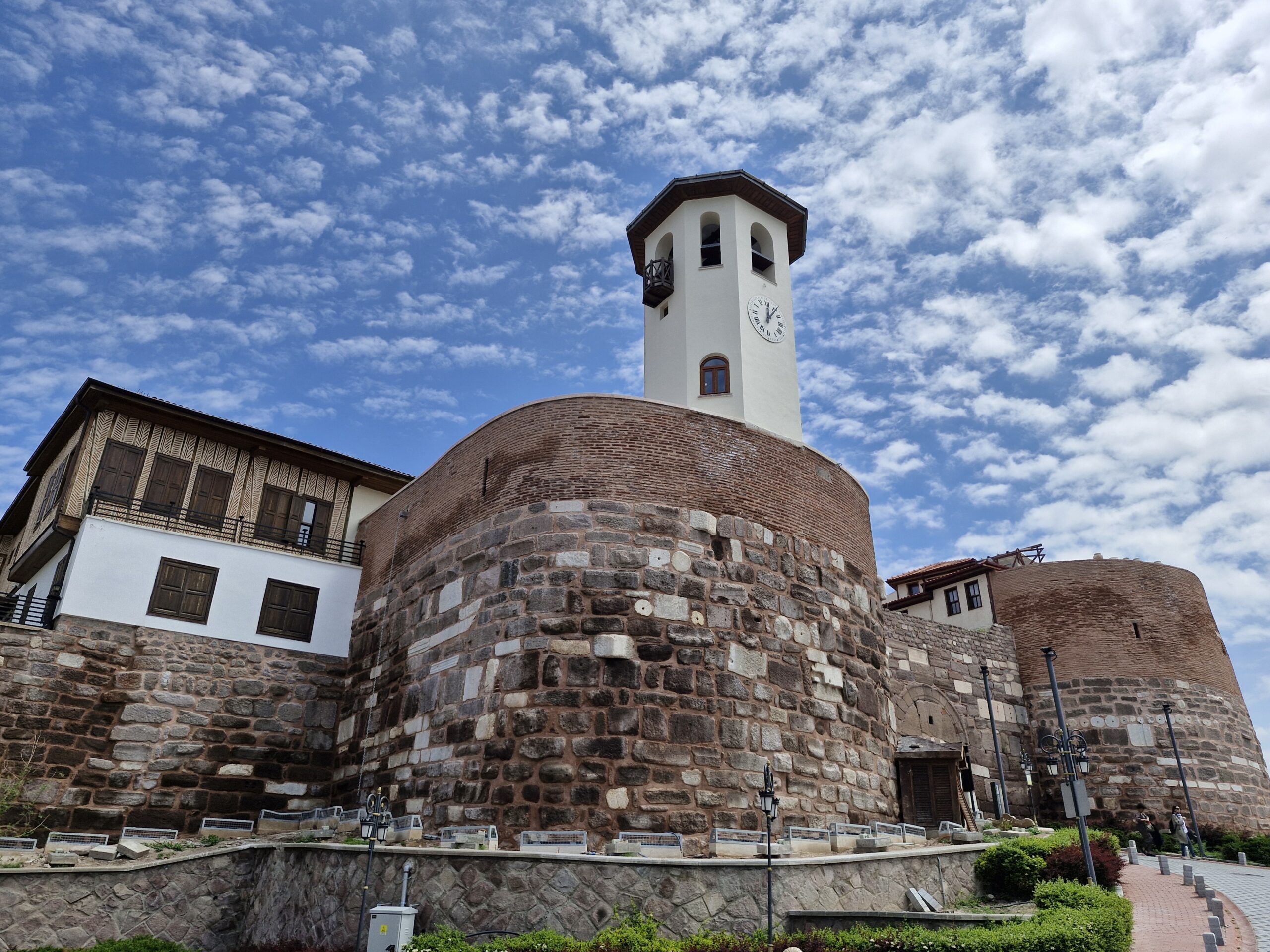
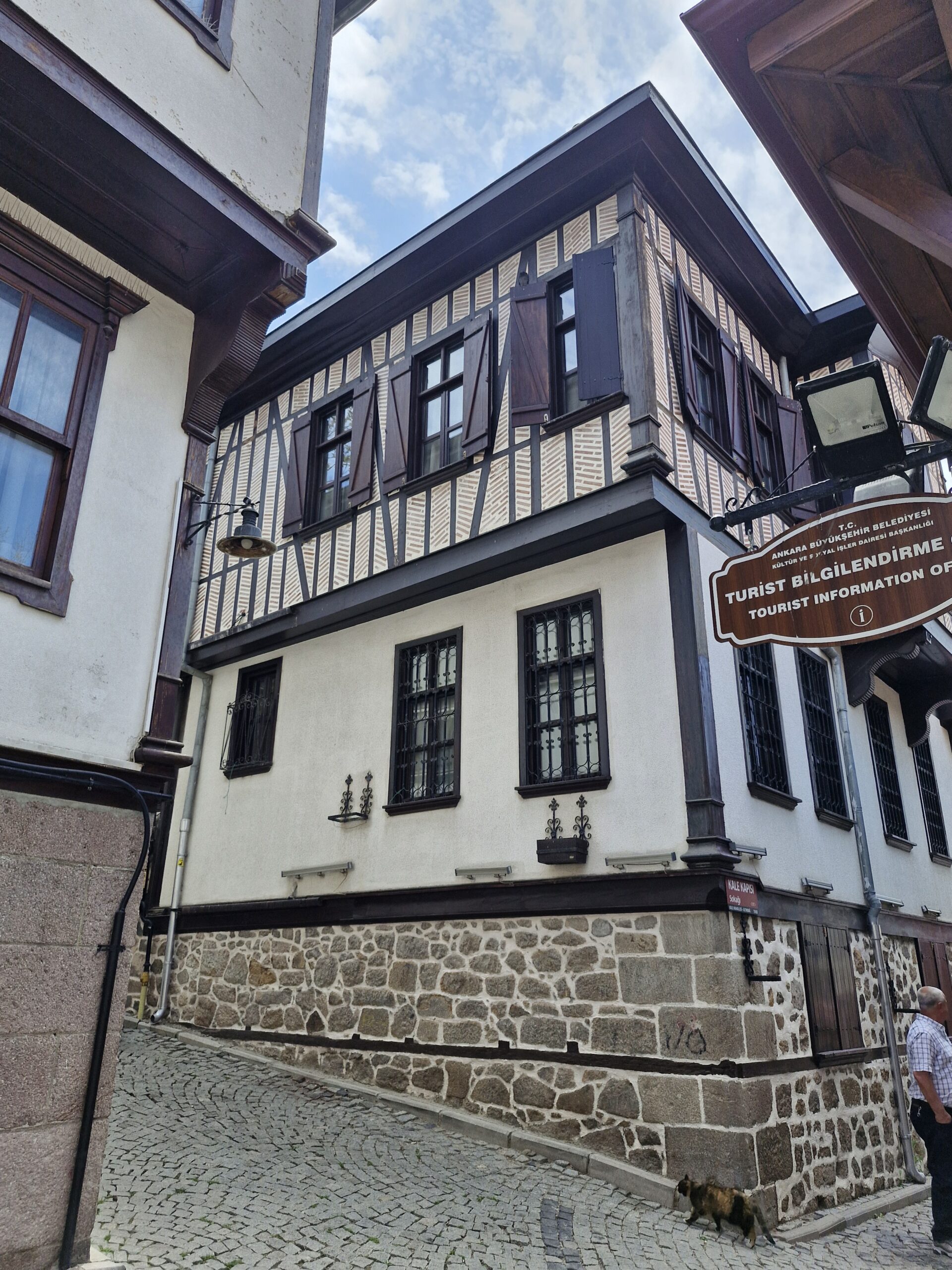
When I first ventured upwards in the winter of 1996, the area was less than appealing. Heating was provided by coal and a black pall hung low over the city so the further upwards we walked, the more enveloped we felt. Today the former private residences have been transformed into a picturesque old town centre. The two and three storey wood, adobe and brick structures are known as Ankara evi or Ankara houses. The ground floor were built with thick walls and small windows to retain the heat in winter, while the upper floors have thin walls and wide eaves, creating light and airy cihannüma, summer rooms.
Once you’ve seen enough head back down to the Fortress Gate, the main entry. Stop for a moment and admire the clock tower. It was constructed by the French in 1885.
Arslanhane Camii (Ahi Şerafettin or Arslanhane Mosque)
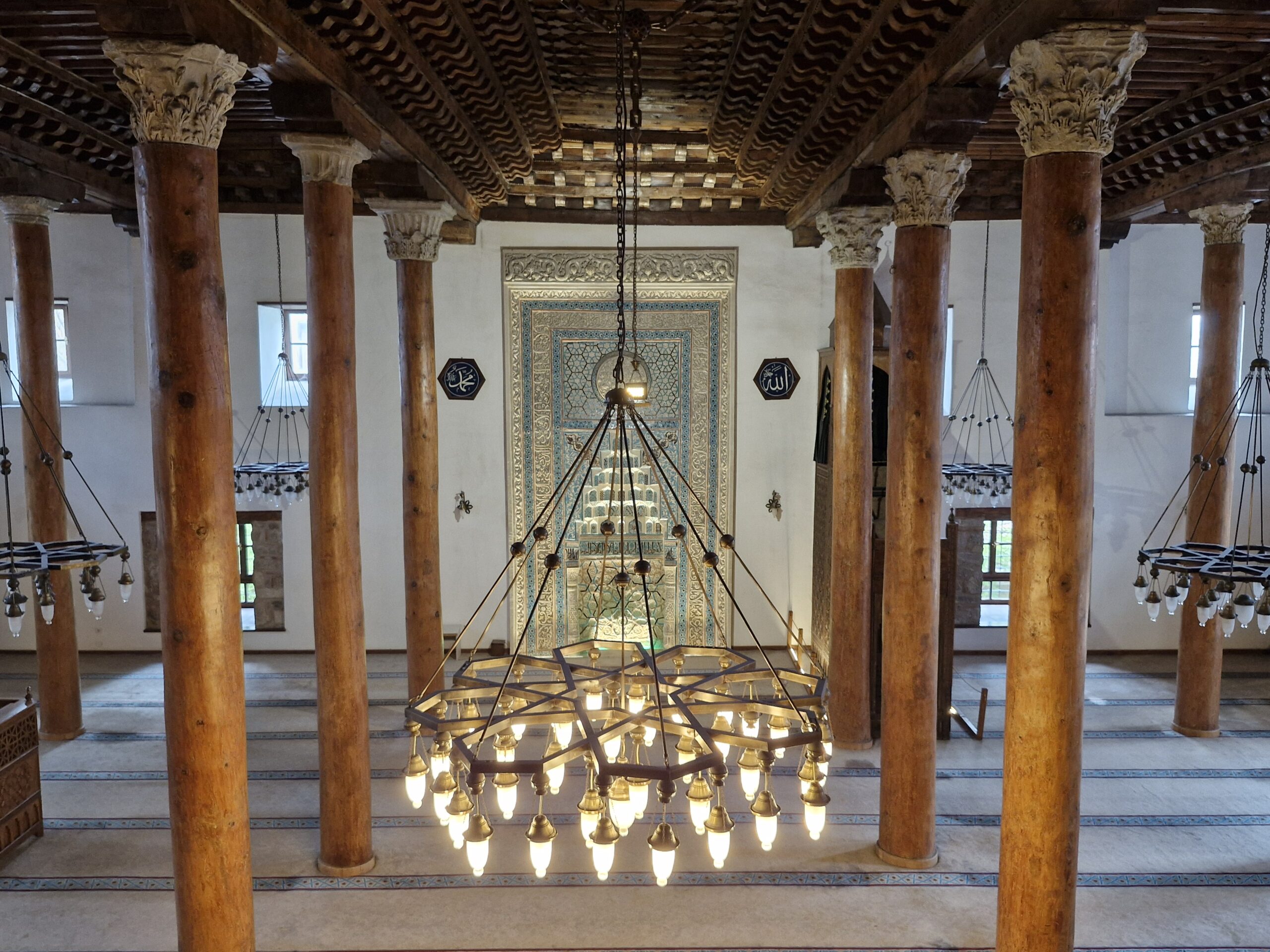
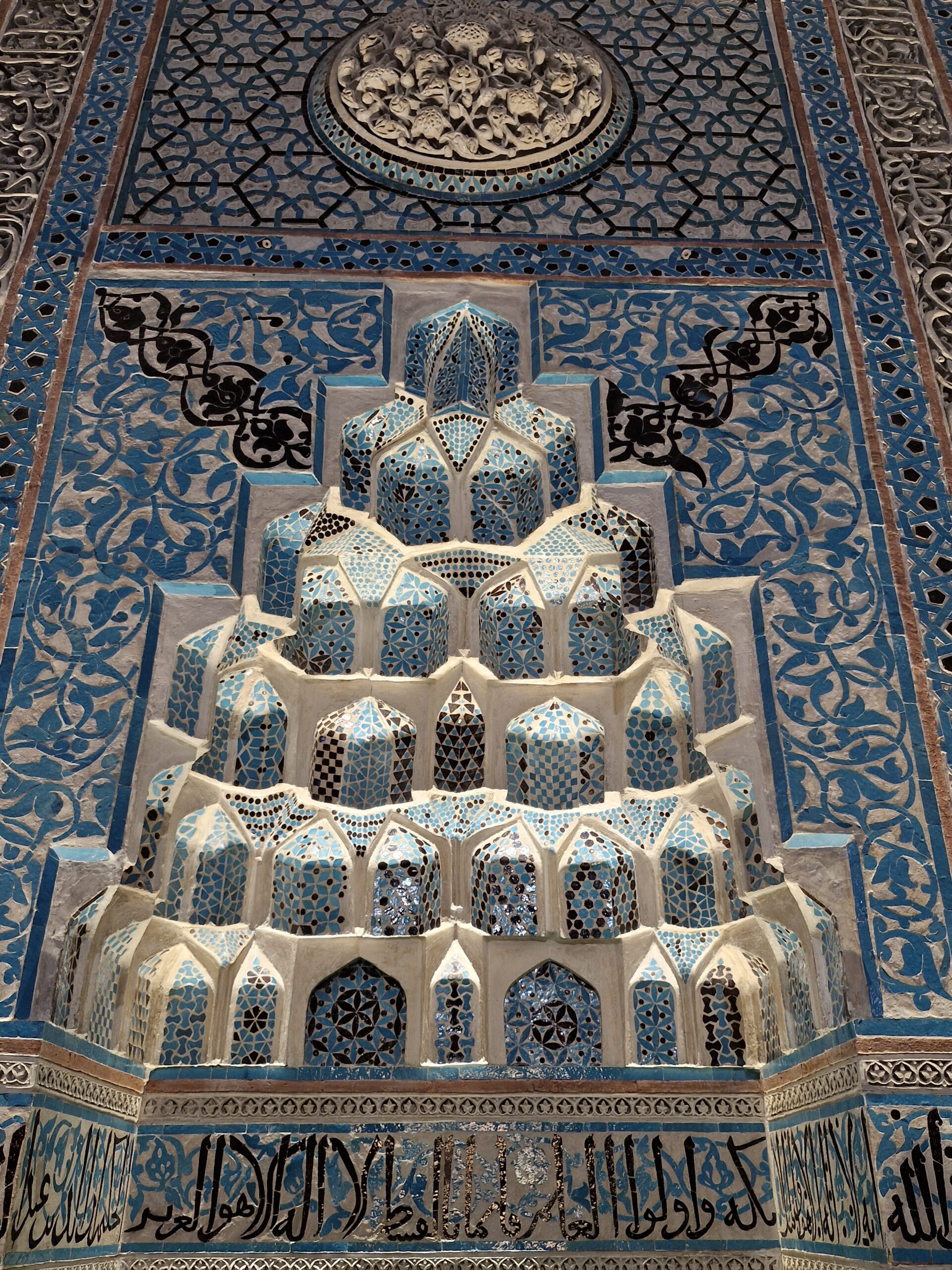
After a stop for lunch (see where to eat section) we continued down the steep narrow streets to Arslanhane Camii also known as Ahi Şerafettin Camii. Another group of rumbunctious teenagers was leaving this astonishing UNESCO World Heritage mosque just as we arrived (thankfully). Constructed in 1290 during the reign of the Anatolian Seljuks, Arslanhane Camii has an amazing wooden interior with 24 large wooden columns and a mihrab decorated with Seljuk tiles taken from earlier buildings that are no longer standing (it’s no wonder given how much repurposing has gone on throughout history). In fact, the majority of the mosque is made from spolia such as columns, bases and other assorted pieces.
It’s named after one Ahi Şerafettin, whose tomb is located opposite mosque, and is commonly called the ‘house of the lion’ after the lion statue carved into the marble wall of his tomb.
Painting and Sculpture Museum (Resim Heykel Müzesi)
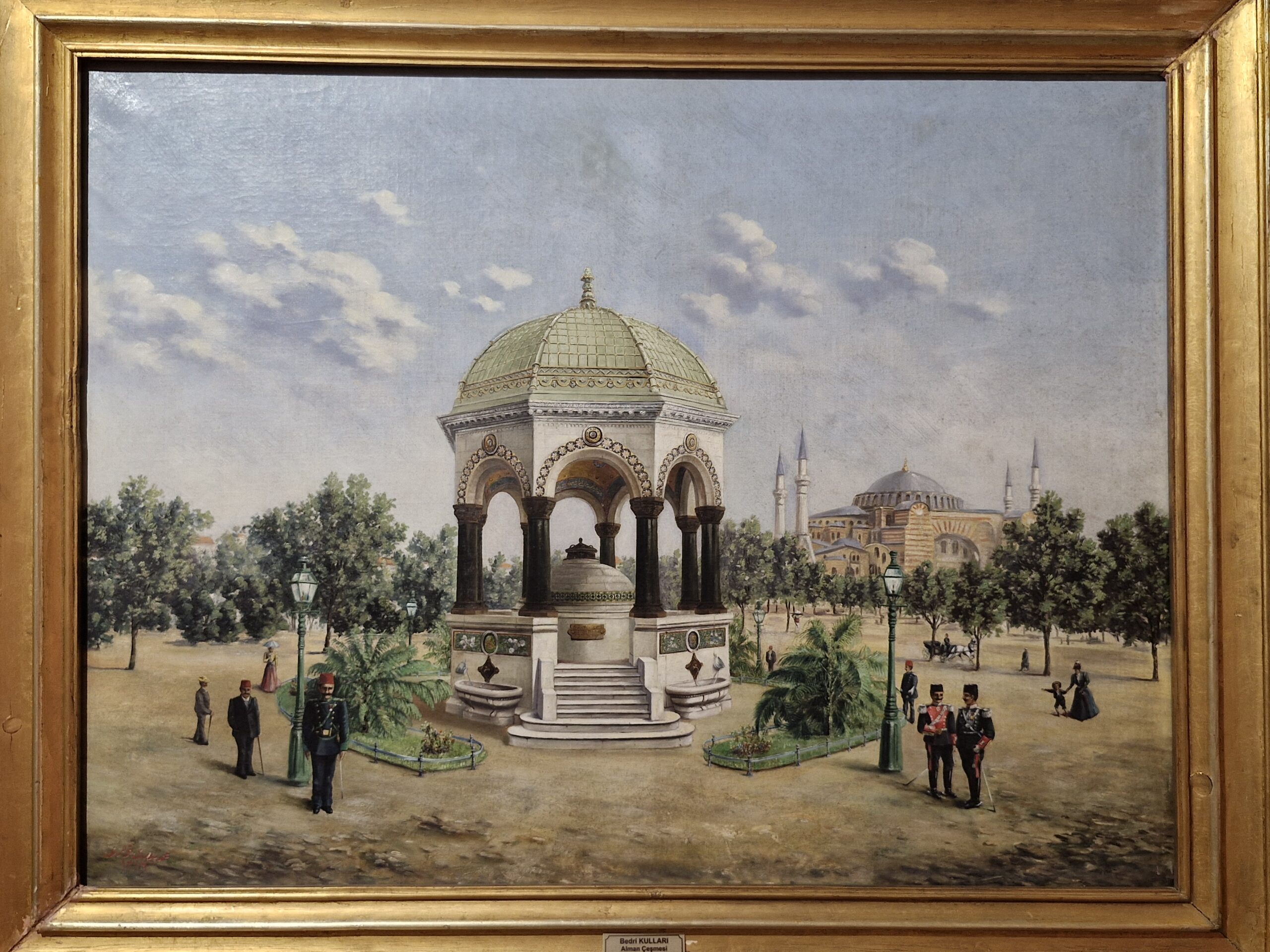
The second day we braved the local buses to visit the Resim Heykel Müzesi, the Museum of Painting and Sculpture. We got in free with our museum cards and once again met up with the dreaded student pack. Luckily for us they whisked through at top speed, leaving us plenty of peace and quiet to take in the artwork.
The museum is housed in a grand First Turkish Nationalist Architecture style building, designed by Arif Hikmet Koyunoğlu between 1927 and 1930 as the Turkish Hearth’s Headquarters Building.
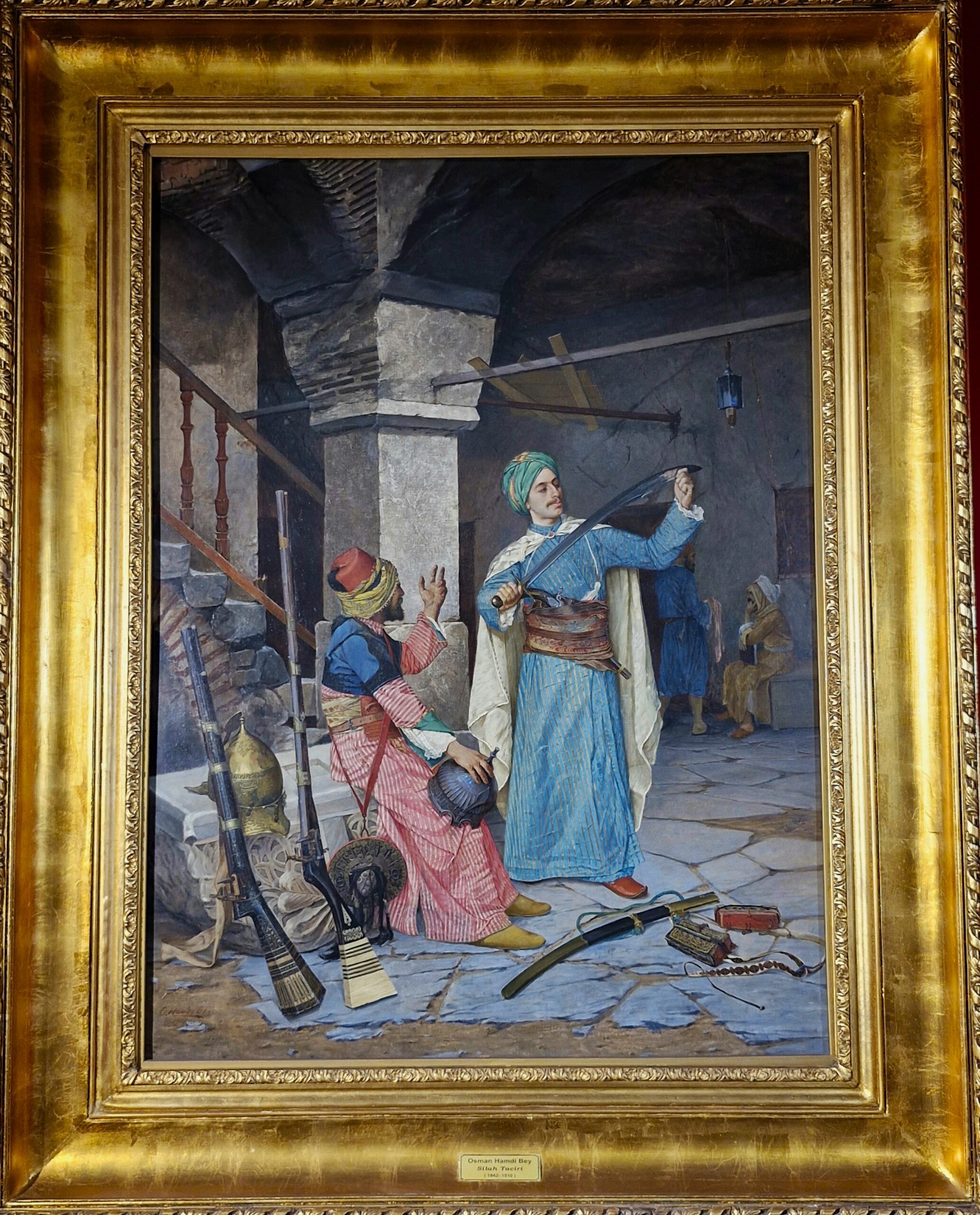
There’s a glorious Turkish Hall decorated with ornaments made by Koyunoğlu himself, a wood and mother-of-pearl ceiling and a concert hall adorned with traditional motifs. It opened as a museum in 1980 and houses a collection of 3,601 works covering the full range of visual arts, showing the development of art and major historical processes in Turkey .
Each room is dedicated to a different period in the development of art in Turkey from the end of the 19th century to the present. Some of the highlights for me were Osman Hamdi Bey‘s The Arms Dealer, Fausto Zonaro’s Portrait of a Young Girl and rural scenes by Refik Ekipman.
The museum is open 9am-5.30pm, Tuesday to Sunday. Entry costs €4 (payable in lira) or is free with a Müze Kart.
Ankara Ethnographic Museum (Ankara Etnografya Müzesi)
Ankara’s Ethnographic Museum, also the work of Arif Hikmet, is next door to the Museum of Painting and Sculpture. I first saw this back in 1996 when Kim and I went to Ankara, so we gave it a miss this time round. If you haven’t seen it already I recommend you do.
The Ethnographic Museum came about because participants of the Turkish War of Independence felt it was vital to preserve the material and spiritual heritage of Turkey’s culture. Then Minister of Education Hamdullah Suphi Tanriöver consulted with Jozsef Meszaros, a friend and one of the directors of the Budapest Ethnographic Museum, in 1924. Soon after a committee was established that began collecting art and other items to display. The museum opened to the public on 18 July 1930 then closed again when Atatürk died on November 10, 1938. His coffin remained in the building until it was transferred to Anitkabir in 1953. The building reopened as a museum in November 1956.
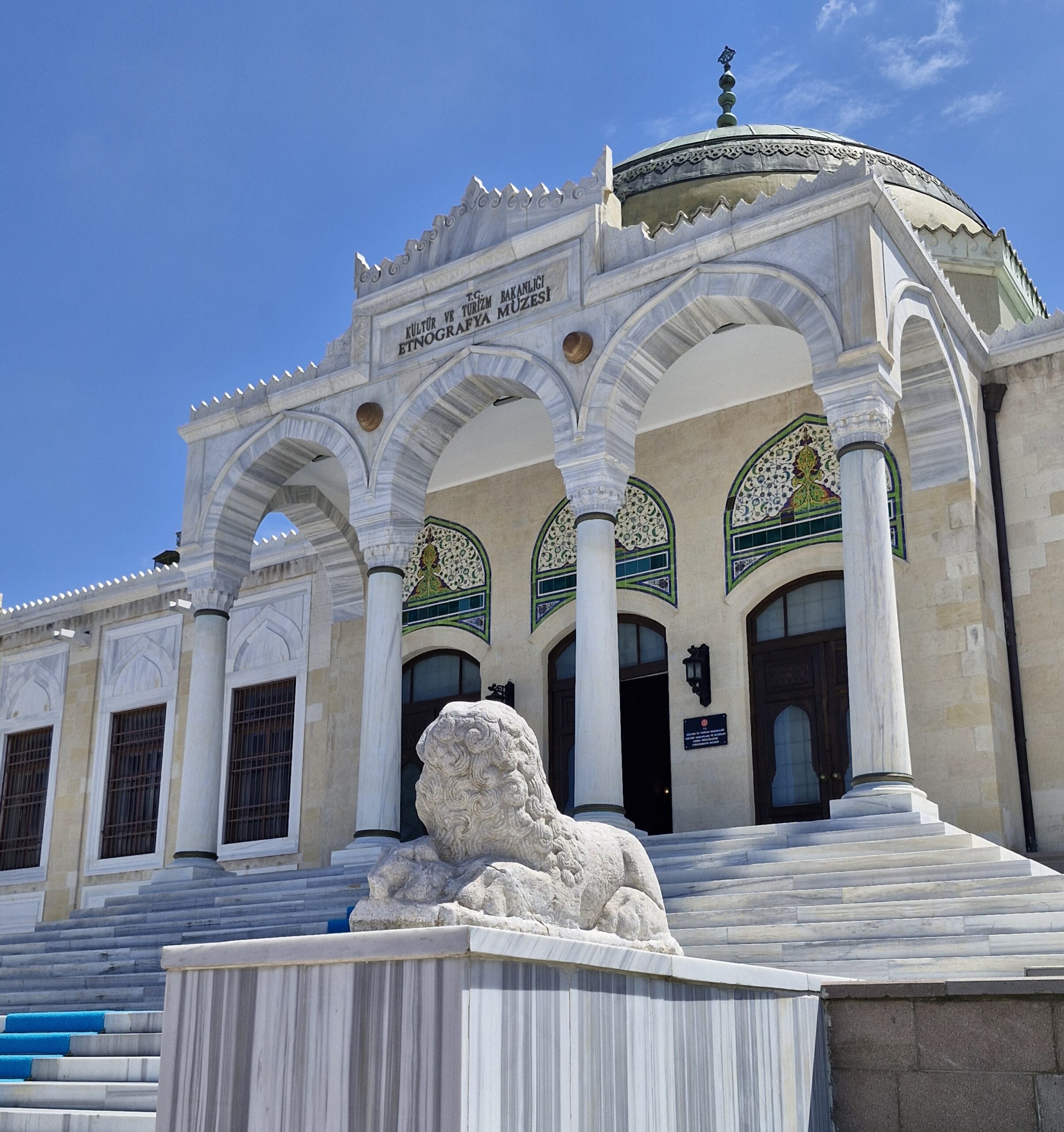
Inside there’s a rich collection of works from the Seljuk period to the present, including folk attire such as quilts, bridal dresses, clogs, socks, purses, embroidered items and bridegrooms shaving sets. The kilims and rugs on display were woven in local workshops in places like Bergama, Milas, Nigde and Kirsehir, and there are examples of Anatolian ironmongery from the Memluks and Ottomans. Those interested in weaponry will marvel at the Ottoman period bows, swords, flint pistols and rifles, while there’s plenty of Turkish China, Kütahya porcelain and objects related to Sufis and other dervish orders to admire. That’s just for starters.
The museum is open 8.30am-7pm 1 April-30 Sept and 9am-5.30pm 1 Oct-31 Mar. Entry costs €4 or is free with a Müze Kart.
Mounted Ataturk Statue
The statue of Atatürk mounted on a horse on the terrace in front of the two museums on the hill is believed to have been created by Pietro Canonica after he won a competition to design a monument to celebrate the founding of the Republic of Turkey. The statue was cast in Italy with the reliefs decorating the pedestal made in Venice. It was installed on October 29, 1927.
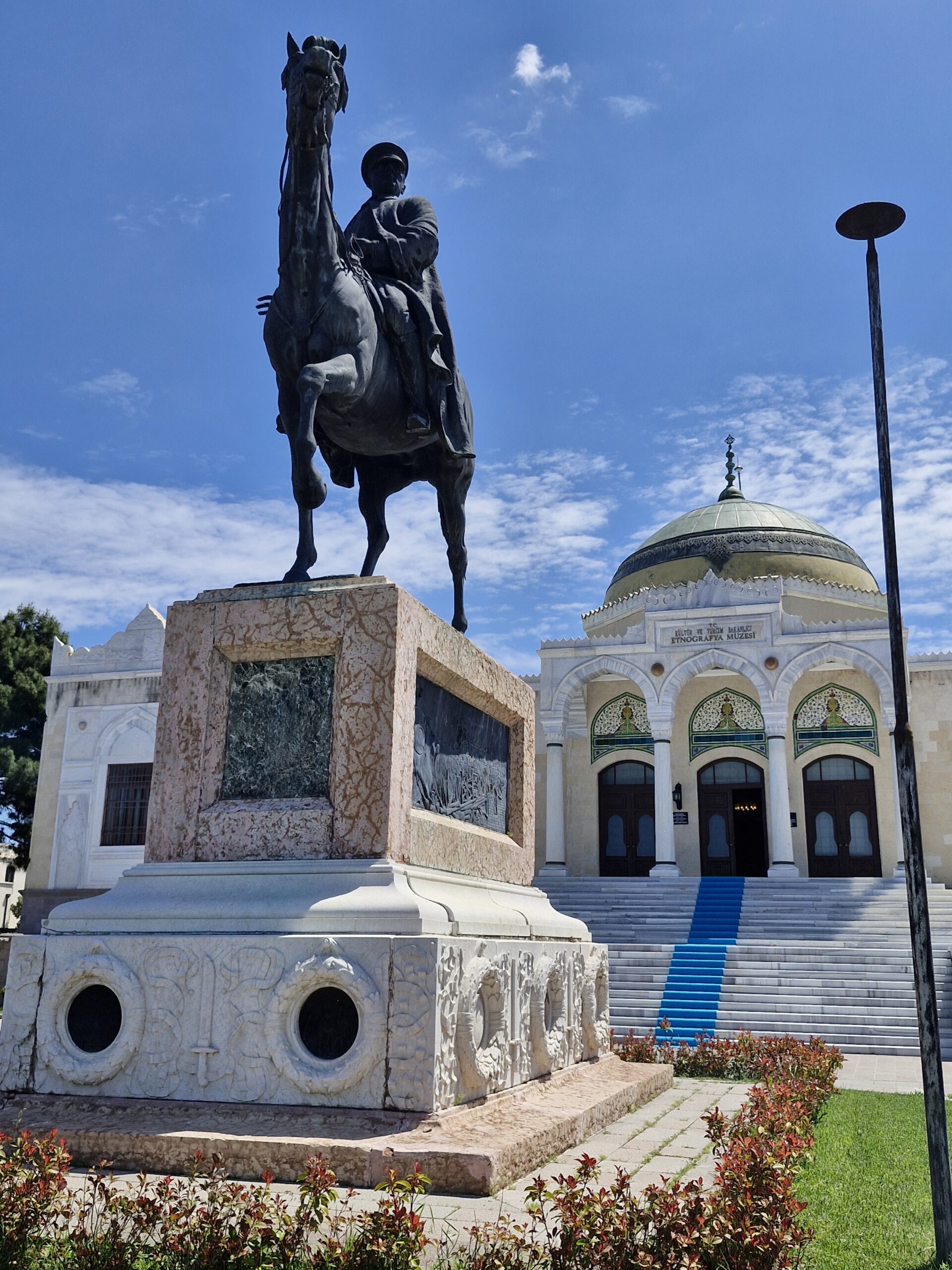
The statue portrays Atatürk as the victorious commander, garbed in military dress, sitting erect on a horse with his right hand outstretched as though commanding his troops. The horse is shown midstride adding movement to the piece. The pedestal holds a number of medallions decorated with bronze low reliefs showing historical scenes – Atatürk wearing the cape he wore during the Battle of the Commander-in-Chief, an enemy commander delivering the Trokopis sword to Atatürk, children presenting him with bouquets of flowers, Atatürk speaking on the podium in parliament and more.
The only negative of visiting these two museums are the toilet facilities. There were none in the building so we were directed to the café in the grounds below the museum. The ladies toilet was broken, there was no running water and according to reports, the men’s were disgusting. The disabled loo was reserved for staff. Given Ankara is the nation’s capital and should be a mecca for tourists, they need to do better.
Gençlik Park
From there we trekked back down the hill, along a noisy road full of speeding cars to Gençlik Park. Along the way we passed the CSO Ada Ankara cultural and arts centre which hosts musical and artistic events and Cer Modern. It’s a large contemporary gallery but we had greenery on our minds.
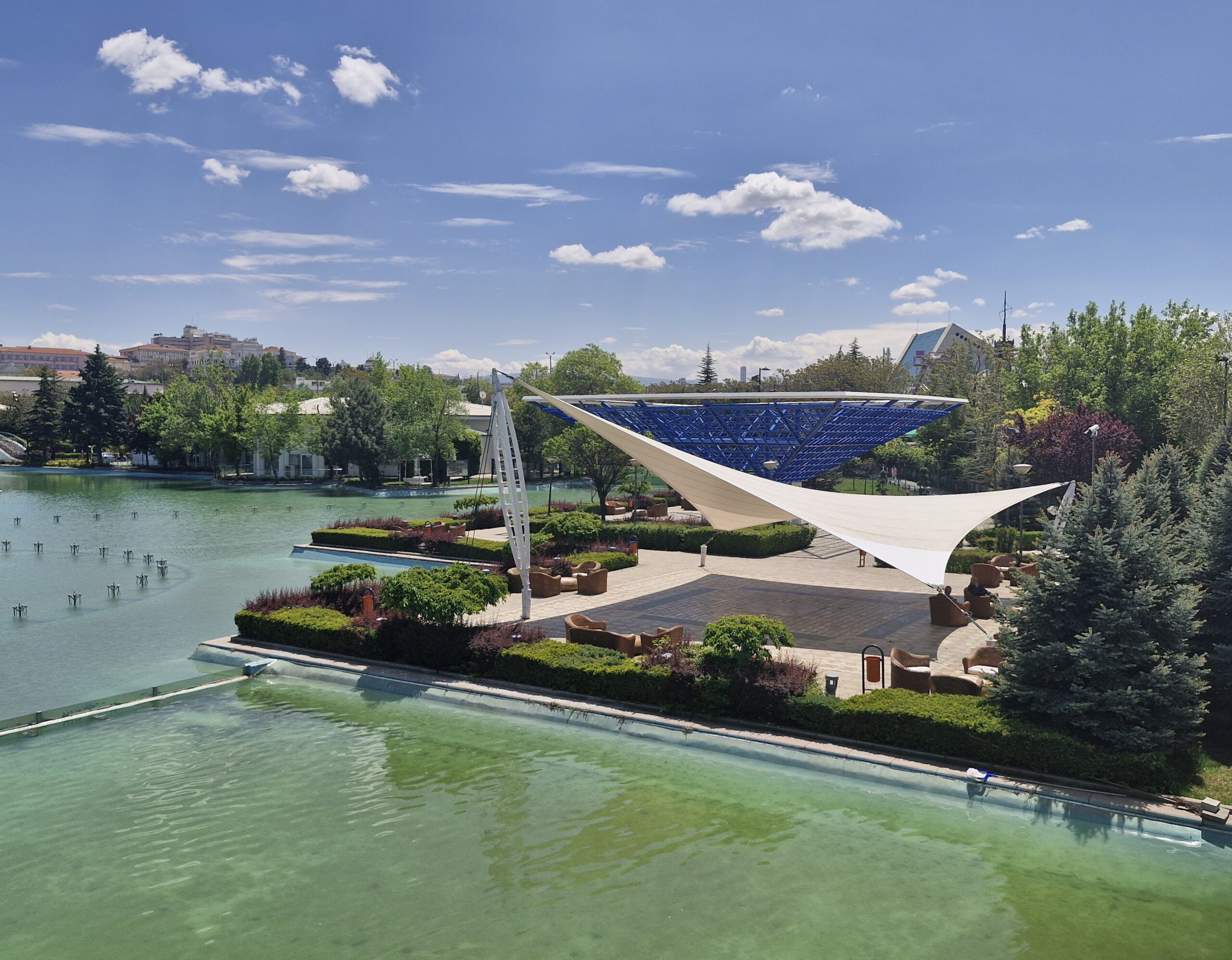
Gençlik Park, Youth Park, is an historical park constructed between 1936 and 1943, covering an area of 27.5 hectares (68 acres) with six different entrance gates. It’s one of the first urban parks in Turkey and is full of lovely shady avenues, carefully planted flower beds and what I can only assume are giant attempts at freestanding modern sculptures, encircling several large man-made lakes connected to each another. It’s a lovely place to escape the noise of the city with plenty of places to sit and take in the quiet.
Anit Kabir
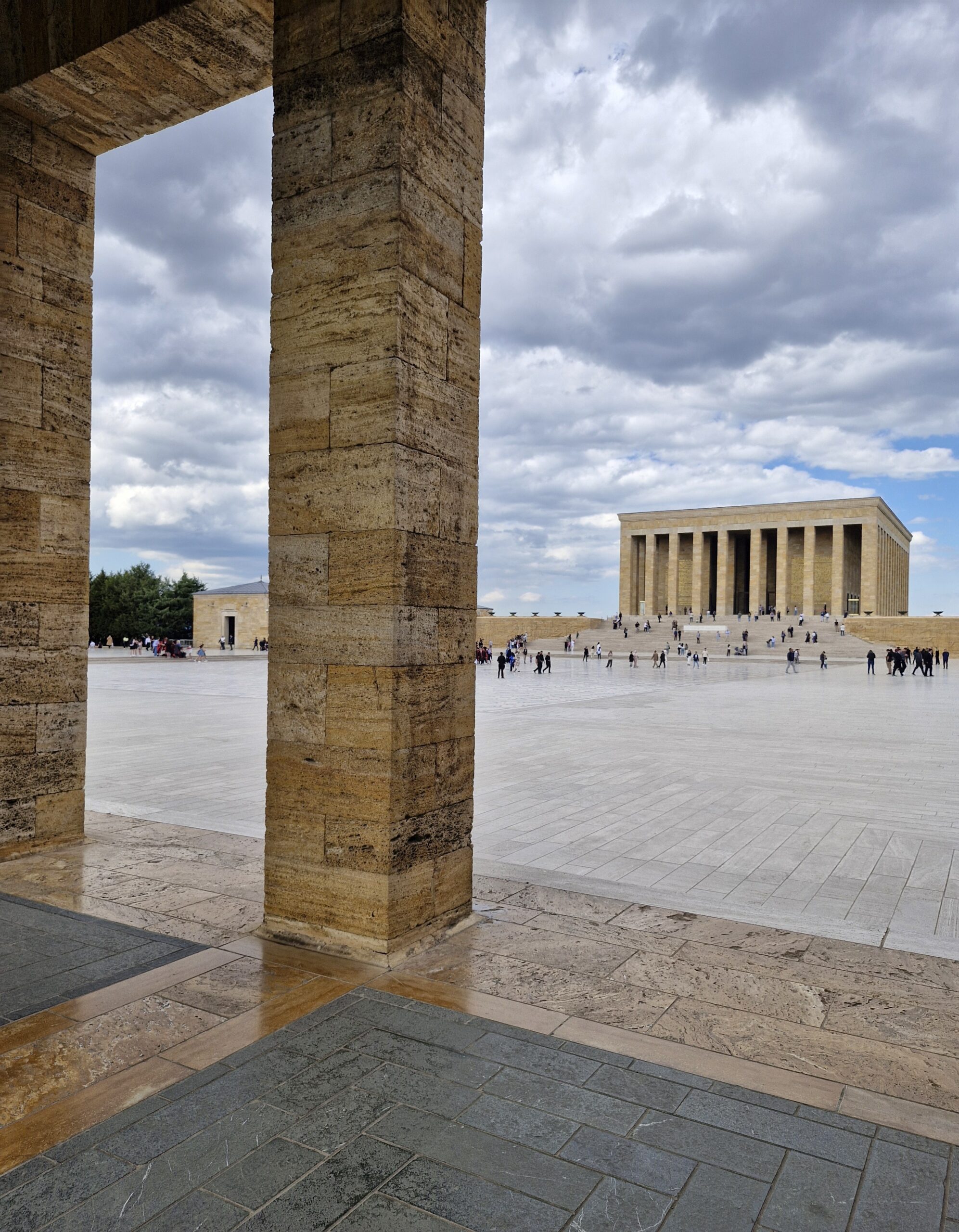
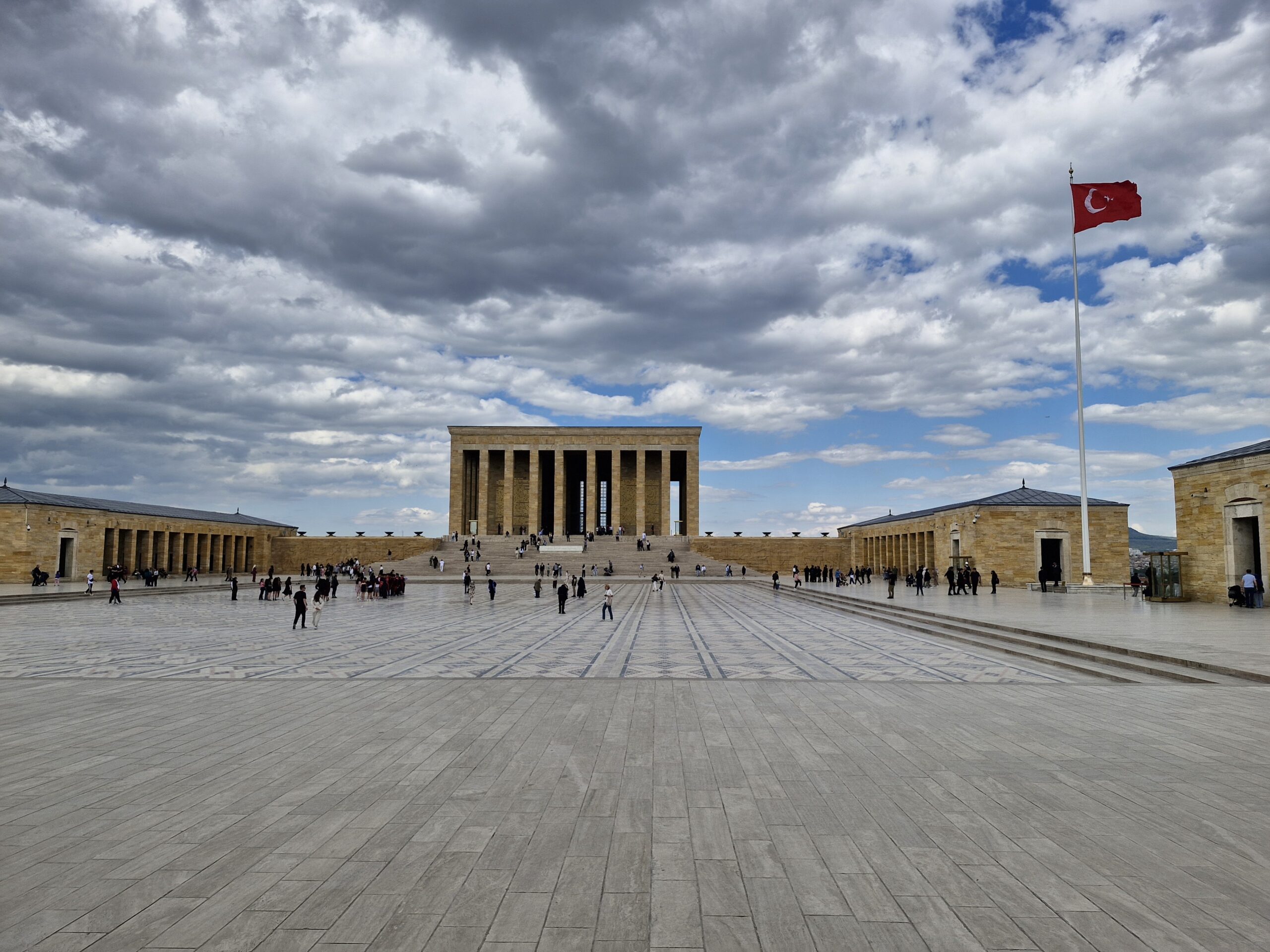
We ended the day by visiting Anit Kabir. This huge open air monument is lasting testimony to the impact Mustafa Kemal Atatürk, founder of the modern Turkish republic, had on the country. We were there just at the end of the academic year so there were dozens of students decked out in gowns and mortar boards, happily throwing their headgear into the air for photos. The last time I came here was with my Dad in 2007. He spent all his time chasing little boys trying to get photos of them dressed in their sunnet finery. Circumcision ceremonies are a big deal here in Turkey.
I skipped the queue to enter the museum showing Atatürk’s personal items because I’d seen it before. You shouldn’t. Every Atatürk Museum I’ve visited in Turkey has really interesting objects on display, and this one is no exception. Spoiler alert, Atatürk was a spats man.
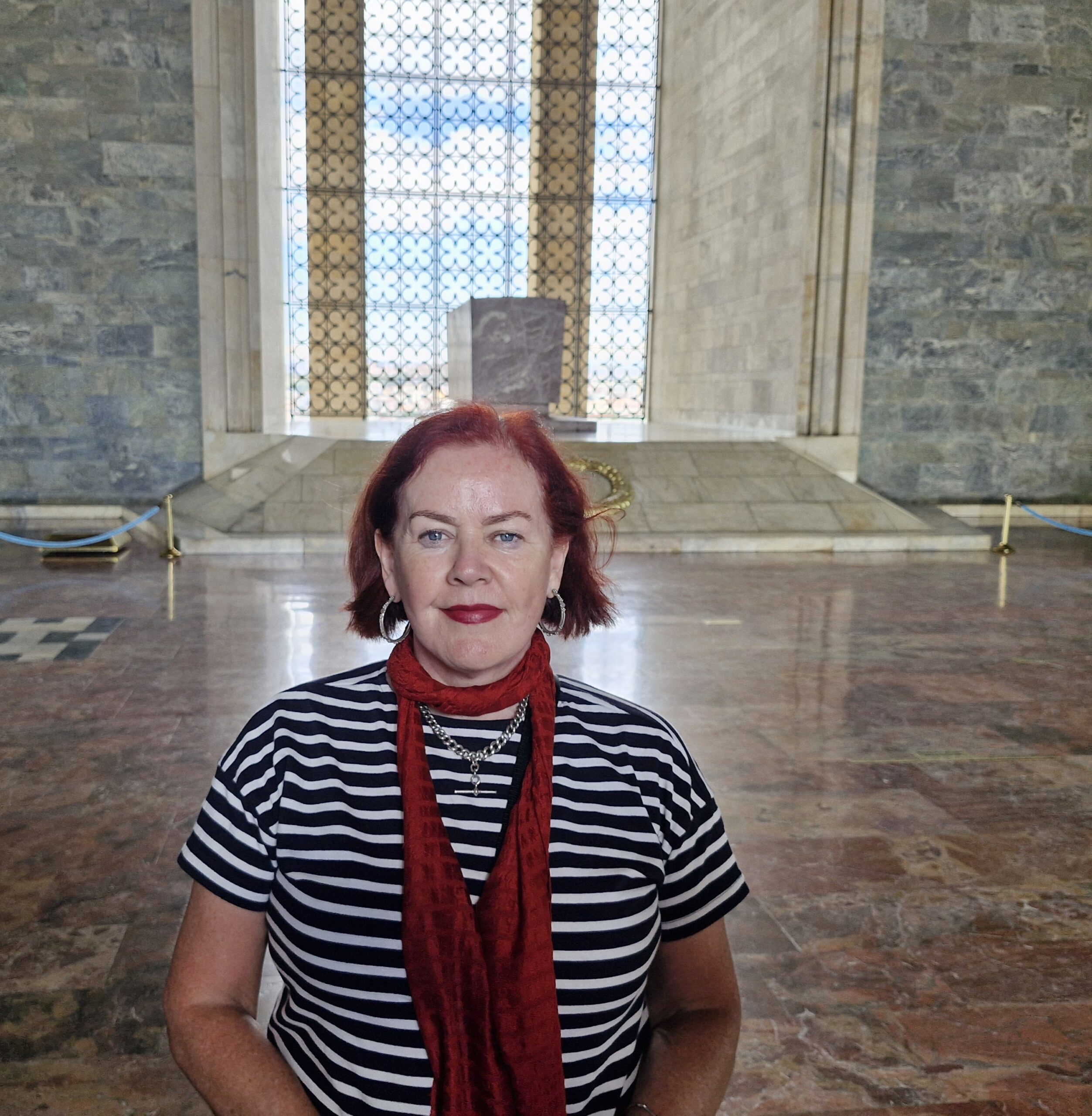
Naturally I did enter the main part of the mausoleum to pay my respects in Atatürk’s tomb. The room that contains his 40-ton sarcophagus is huge, with high ceilings and lofty marble walls. Atatürk is actually buried below ground level in a special tomb room that’s probably bomb proof, flood proof and nuclear war safe.
I took my time and was able to get a photo standing in front of his sarcophagus, before we were all shooed away by security when some very important person (no idea who) entered to pay their respects. I did manage to chat to one of the special security guards, looking serious and all decked out in black suit and thin tie, complete with earpiece. After he asked me where I was from and I told him how long I’d lived in Turkey and how important Atatürk was he broke into a huge smile, showing me a very human, very Turkish side.
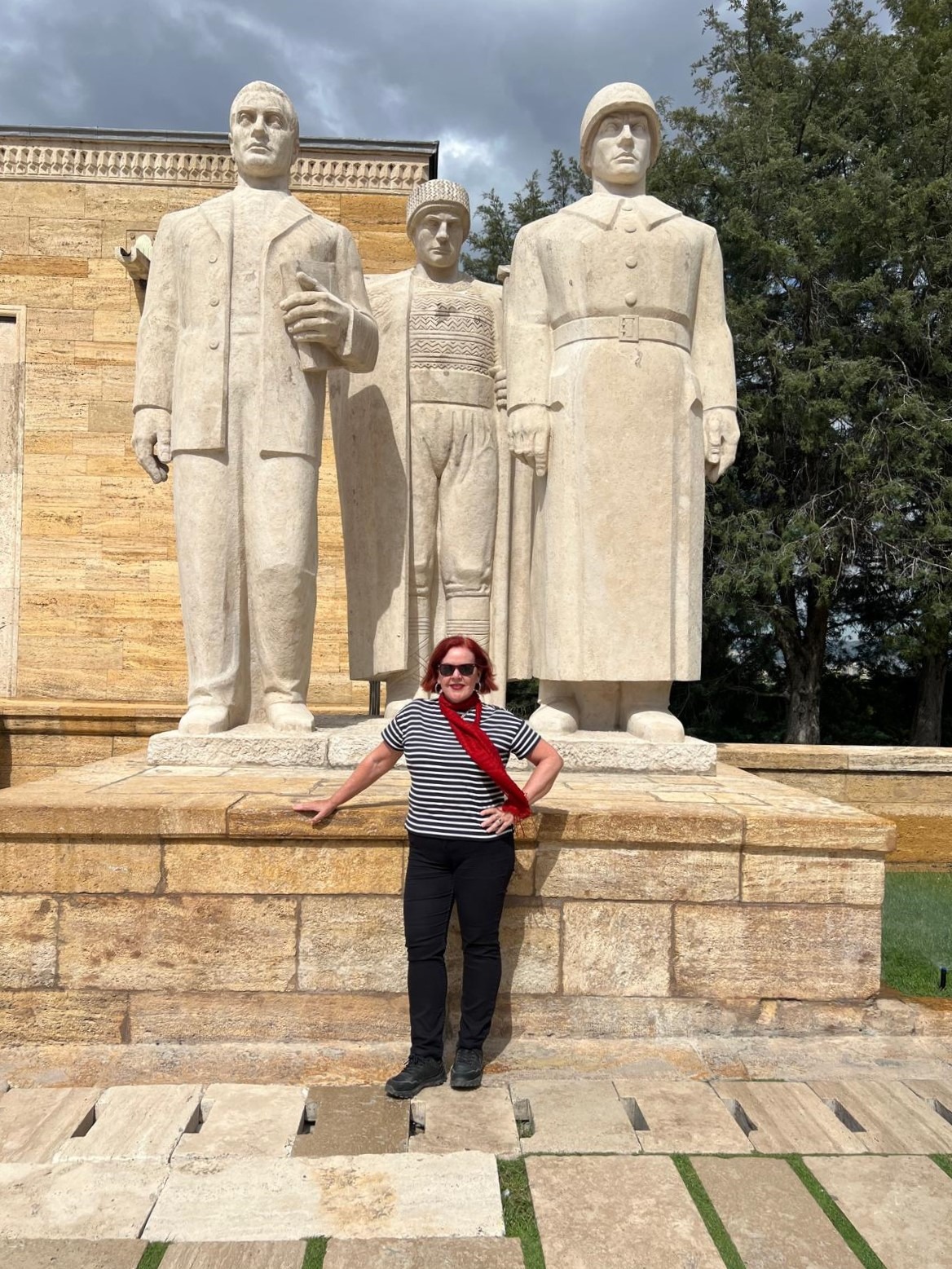
Outside of the massive main courtyard there’s the marvellous Aslanlı Yol, the Lion’s Path, a marble lined pathway lined with statues of giant lions as well as larger than life statues of soldiers. At the end there’s a guard house and if you’re there on the hour, you can watch an elaborate changing of the guard ceremony. If you’re there for the 3pm changeover, hang around to 3.40pm when they play the Last Post. The site is lush with greenery and curiously, wifi doesn’t work anywhere in grounds. Or maybe that was just me because they know my family’s phone line was once tapped by ASIO?
Anit Kabir is open 9am-4pm, 1 Feb-14 May, 9am-5pm, 15 May-31 Oct and 9am-4pm 1 Nov-31 Jan. Entry is free.
The Directorate Foundation Museum (Vakıflar Müdürlüğü Vakıf Eserleri Müzesi)
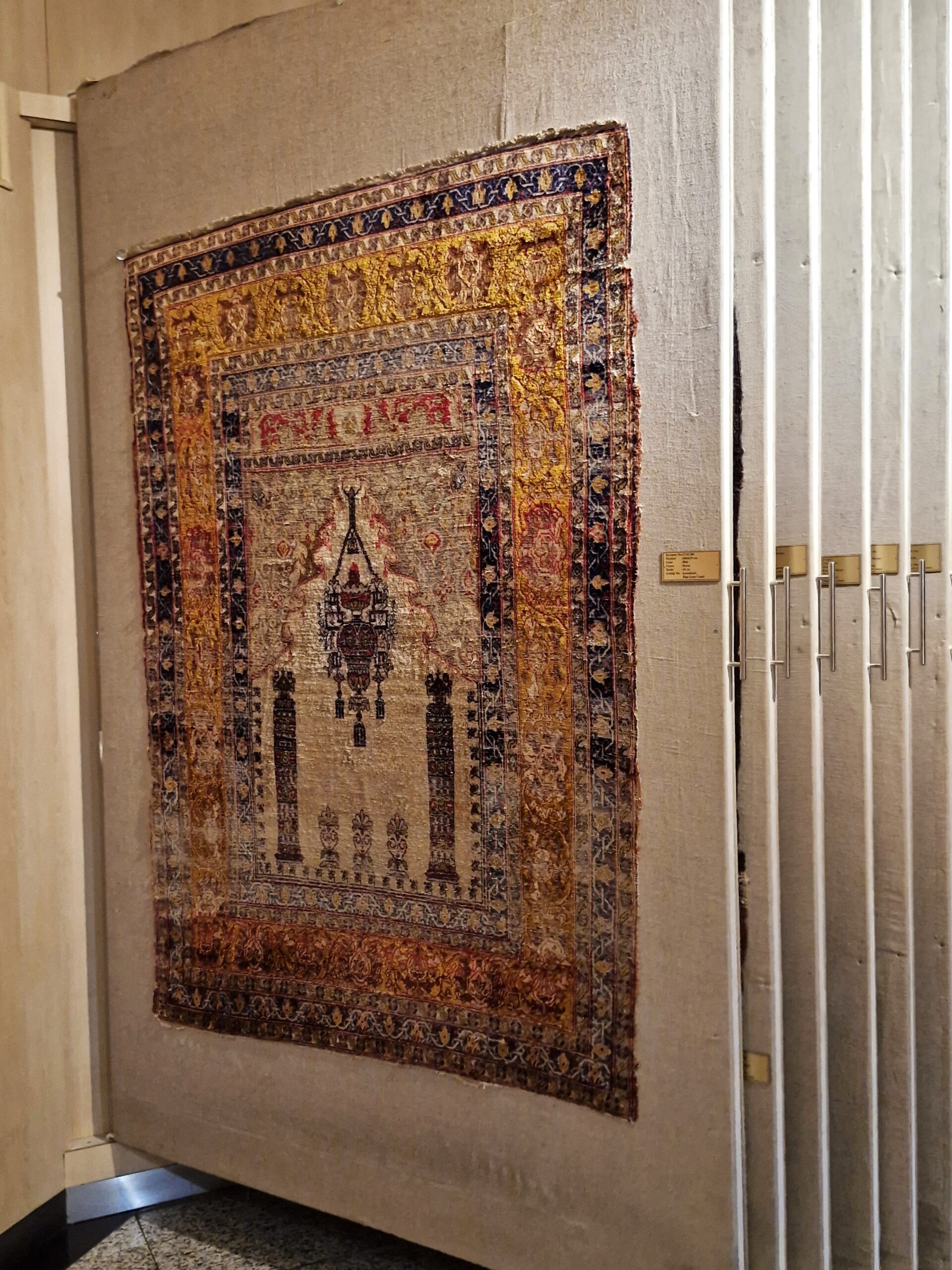
On our last day Kim and I headed to the Vakıflar Müdürlüğü Vakıf Eserleri Müzesi while the rest of the gang rested up in the hotel. This museum is dedicated to ethnographic endowments and free to enter. At first the dark, gloomy rooms with lights that only come on when you walk inside them didn’t look very inviting. Nonetheless it’s worth a visit even with there being no descriptions in English.
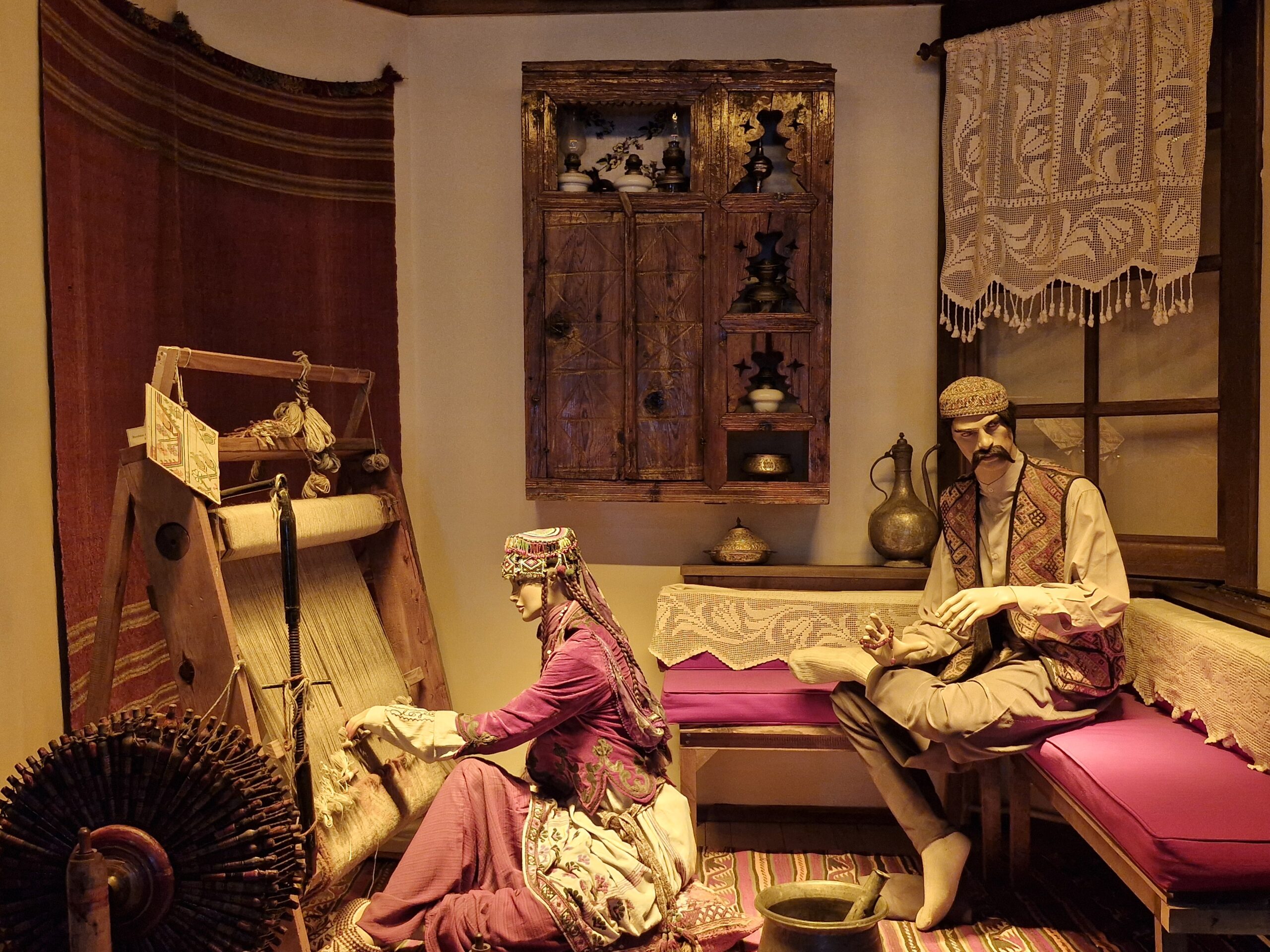
The ground floor contains rugs, carpets and various tools used for carpet weaving. On the upper floor you’ll find handwritten books, beautifully painted tiles, and sundry metal and wooden items.
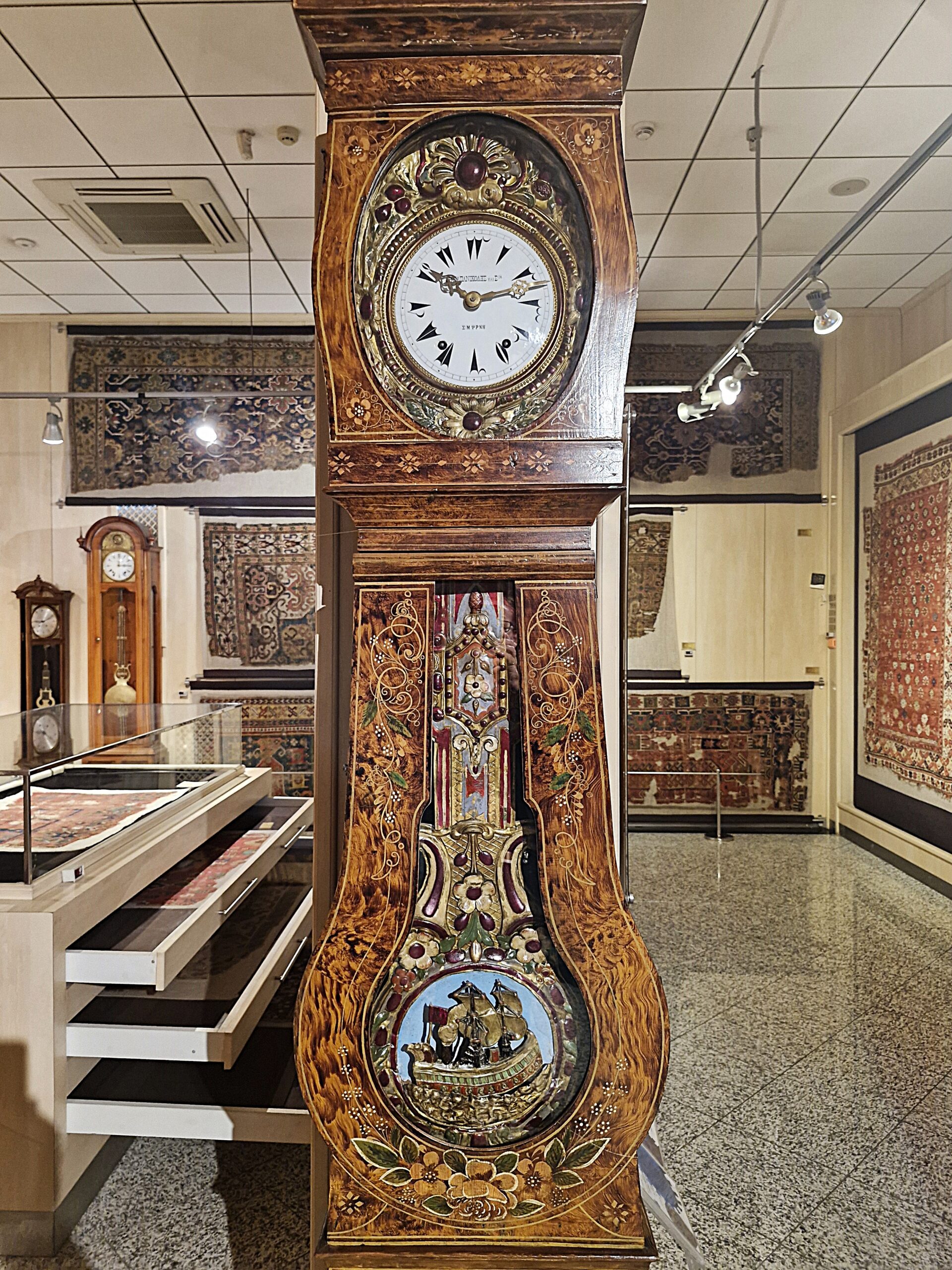
There are dozens of textiles housed in slide out panels and pull out drawers including full size rugs, fragments, prayer mats and pieces of old Kaaba covers. They date from the 13th to the 19th centuries, as do the doors and wooden mosque parts. Relatively more recent items such as clocks and 19th-century cameras are also form part of the museum collection. A gorgeous grandfather clock with a dial displaying Arabic numerals made in Smyrna by an Armenian firm is just one of many handmade horological masterpieces on display.
The only negative, yet again, was when we asked to use the toilets. Staff said they were broken and we had use the toilets in the mosque next door. The mosque is huge and the loos located what seemed like miles away deep underground. I’m not sure I believe the staff would trek that far. That aside, it’s a nice little museum.
Open Tue-Sun, 9am-5pm. Entry is free.
I really wanted to see the Roman Baths but by the end of the schedule I’d put together (or possibly all the food we ate) we all decided to leave it for another time. The bath building has been dated to the reign of Caracalla (212-217 CE) based on coins unearthed during excavations. Other coins found at the same time suggest the bath was used for around 500 years.
If you do get there, expect to see extensive ruins containing approximately 1000 stone pieces. They’ve been divided into three main groups – tomb stele, stone tablets and architectural fragments. Roman and Byzantine periods tomb stele are exhibited in the southern wing of the Palaestra while stone blocks carved with inscriptions are located in the northern wing along with postaments (the foot or base of a column or statue) and water pipes. You’ll find altars and other architectural pieces in the eastern wing and sarcophagi and lion sculptures in central section.
A columned road discovered when Çankırı Avenue was built in the early years of the Turkish Republic once led to the Temple of Augustus. The road was built around the 3rd century CE and was lined with marble columns topped with Corinthian capitals.
Open 8.30am-7pm, 1 Apr-1 Oct, 8.30am-5.30pm, 2 Oct-31 Mar, 7 days a week. Entry costs €3 or is free with Müze Kart.
Atakule communications and observation tower
If you’re a big fan of futuristic architecture, whether it’s beautiful or not, you won’t want to miss the Atakule communications and observation tower. It opened in 1989 in Çankaya with a viewing platform and so-so café and restaurant called Sevilla. The restaurant revolves 360 degrees every hour if you’re into that sort of thing. Once upon a time I certainly was. Read what happened on my 14th birthday in Sydney’s own revolving tower.
What to eat in Ankara
By the time evening arrived each night of our stay in Ankara we were ravenous so didn’t want to venture far afield in search of local specialities. Ankara Tava and Beypazari-style trout are two recommendations to look out for. What we did eat though was lovely. Ankara dining establishments still offer the hospitality style I remember from my earliest visits to Turkey, generous servings, reasonable prices and more ikram, the salads and other dishes placed on the table at no charge, than we could eat. I’m still not sure it’s OK to ask for a doggy bag for food we haven’t paid for, but I do so hate waste. What do you think?
Kale (Castle neighbourhood)
When I’m planning trips to different parts of Turkey, I go on Google Maps and look for restaurants and small lokanta near the sights we plan to see, so we don’t end up being disappointed because all we can find are dismal tourist offerings. That’s how I discovered Meşhur Köfteci Fero on Kus Sokak. It’s a tiny little place serving just one thing, köfte, and Fero’s Turkish meat balls were succulent and extremely tasty.
Kizilay
Not only is Kizilay a major transport exchange it’s also the site of Karanfil Sokak, a popular walking street.Konur Sokak, the next street parallel is full of bars and restaurants.
Çankaya
Kebap 9 serve up lahmacun the size of a large pizza, while Ezginin Mutfağı, a small friendly husband and wife run set up do Mexican Burgers, köfte and other standard fare, all tasty and reasonably priced.
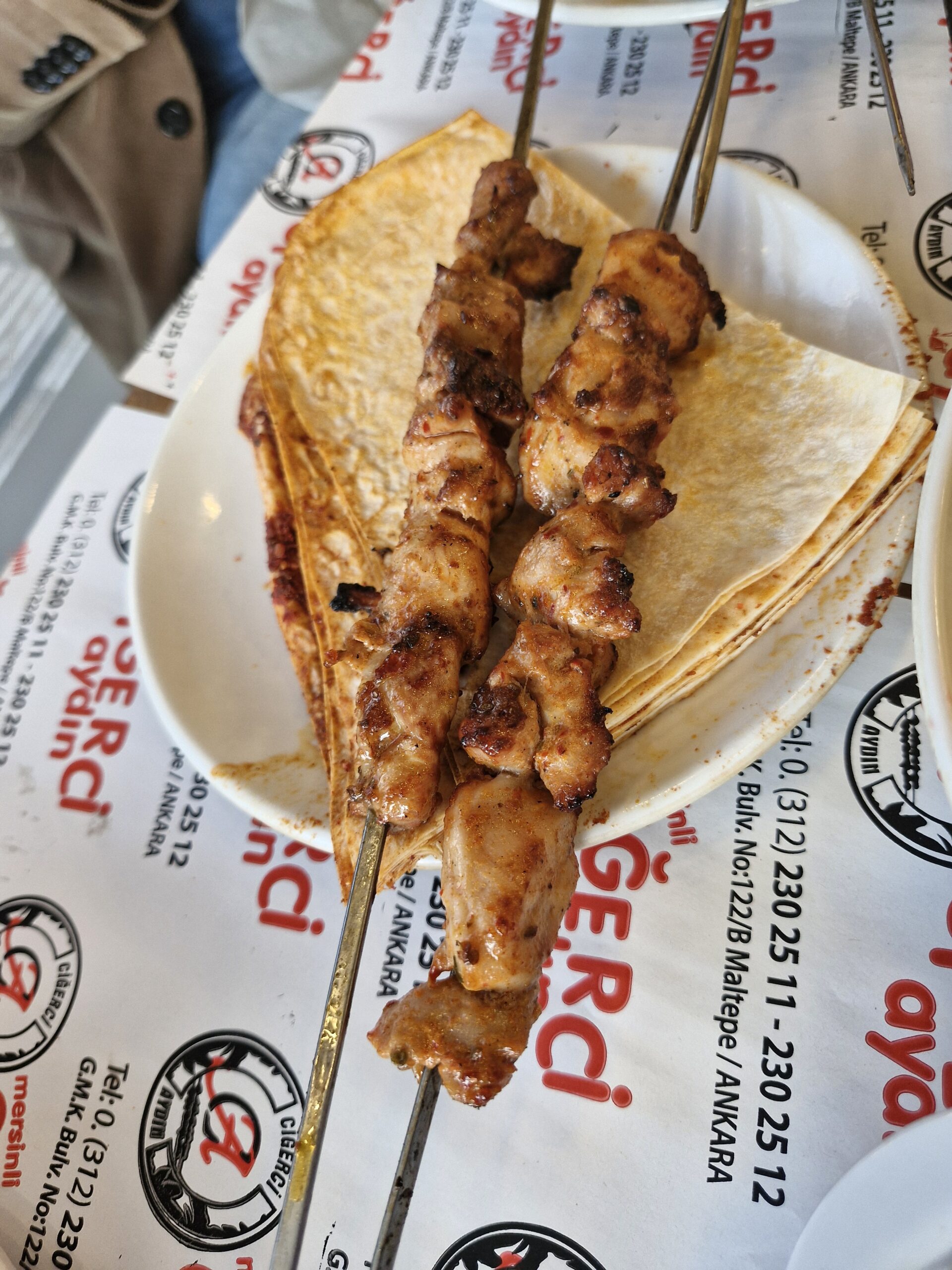
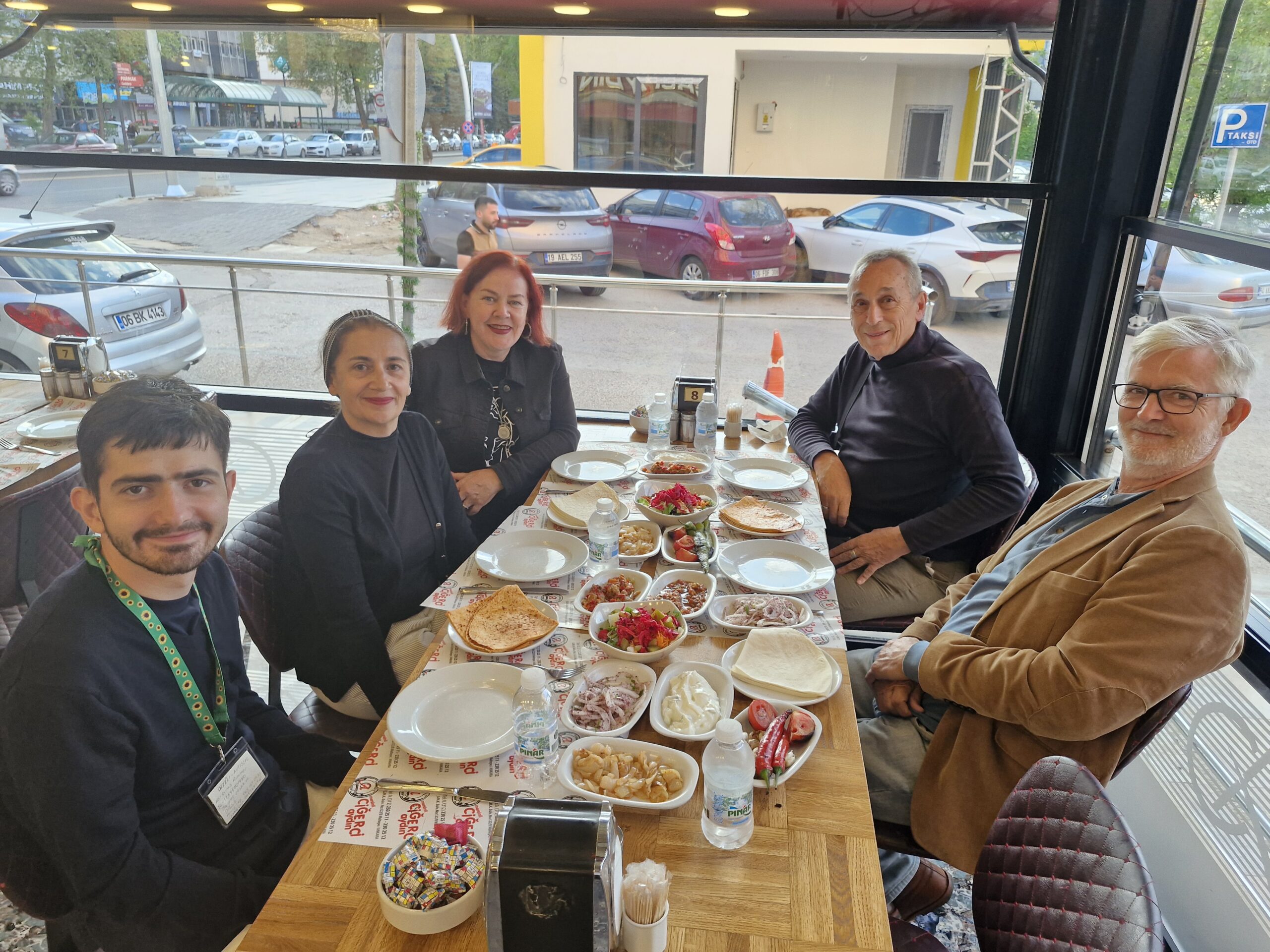
The standout here was Mersinli Ciğerci Aydın. As you’ll already know if you’ve read my Diyarbakir post I am not a fan of liver, but Safi, Stephen and Cyrus are. Clearly they were fabulous because apart from Kim and I, everyone was eating them. No matter how many skewers you order, they bring them out half a dozen at a time so they don’t go cold.
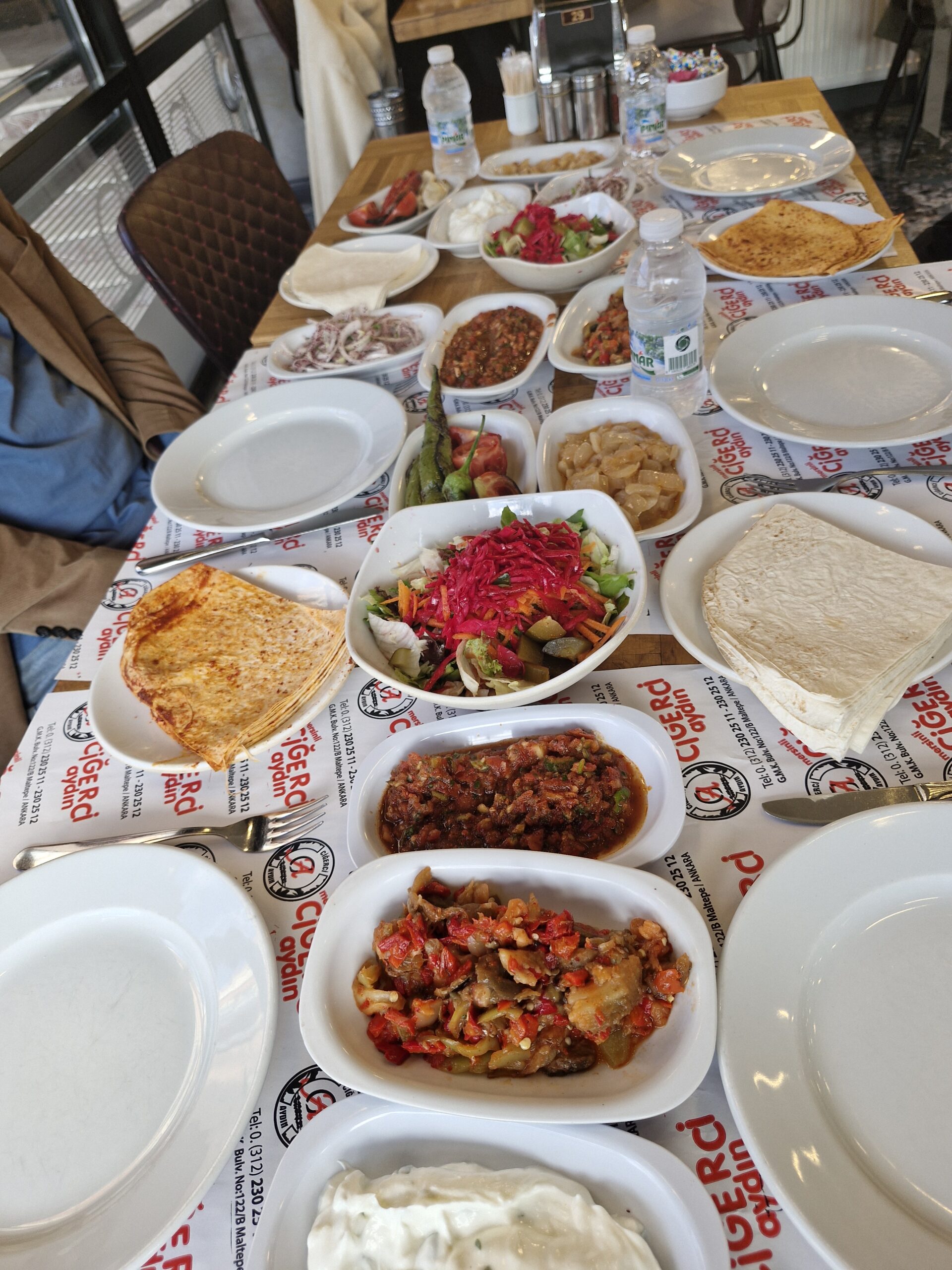
For liverphobes like me there was plenty to choose from. We went to Mersinli Ciğerci Aydın twice and I loved the succulent tavuk şiş (grilled chicken skewers) and the lokum gibi kuzu şiş, incredibly tender lamb also grilled in cubes. The ikram selection here was huge. There was çoban salatasi, Shepherd’s Salad made from tomatoes and cucumber, acılı ezme, a lovely spicey tomato dish laced with nar ekşi, sour pomegranate sauce, haydarı, a creamy yoghurt dip studded with dill and lashings of garlic and çiğ köfte, small balls of kneaded bulgur. We were full to groaning by the time we left the table. Our hotel was just up the street so we didn’t have far to roll!
As I mentioned earlier, a very helpful young man helped as navigate the maze that is underground Kizilay Metro Station. The restaurant he recommended, Aspava, is part of a chain, a very good one. The menu was packed with lots of options including kebabs, pide, lahmacun, salads and more and the ikram was superb. It’s not far from Anit Kabir so is a good place to stop, refuel and rest before you go running up that hill.
Where to stay in Ankara
Back in 1996 when I first went to Ankara, the décor in the hotels we could afford veered towards dark brown, dark brown bedheads, bedside tables and desks, combined with pale blue tiles on the bathroom floor, walls and in one case, the ceiling too. The lobbies were universally filled with men in, you guessed it, heavy dark brown wool suits, tinged with cigarette ash.
Sad to say when I revisited hotels for this trip, while the colour scheme has changed, in general the vibe hadn’t so after trawling through what felt like thousands of hotel listings, I finally came across one not aimed at business people with no aesthetic sensibility, for a reasonable price.
I didn’t want to stay near the castle because although it’s close to some sights, it’s a long way from onward transport (as in a taxi ride away and I avoid them if I can), food choices are limited and in my opinion the hotels there seem overpriced for what you get.
We stayed in a neighbourhood called Maltepe at Hotel Ickale. The rooms are spacious and well appointed (hooks for your towels, a kettle, coathangers etc), there’s an indoor pool (don’t forget your swimming cap) and a salt sauna. The breakfast buffet was huge with a lot of choice including honey on the comb (yummmm!) and a nifty self-use pancake machine.
Practical tips for travelling to and from Ankara (and Turkey)
Hotel Ickale was in a good location for all the sites we wanted to visit – just a bus ride or short walk to the metro – and about 10 mins on foot to Ankara Gar, the huge railway station, where we caught the fast train back to Istanbul. The train takes around four and a half hours to/from Sögütlüçeşme station in Kadiköy on the Asian side of the city and you can buy train tickets online. It goes via Eskisehir so you can stop off there for a few days too.
You can also fly to Ankara from Istanbul from either Istanbul Airport or Sabiha Gökçen Airport , depending on which side of the city you’re staying. If you do arrive by plane you can catch the number 442 Aşti bus from the airport to Ankara Gar. The bus takes about 45 minutes.
There’s also a Havaş shuttle bus service timed to domestic flights, but they go to AŞTİ (Ankara Intercity Bus Terminal). From there you have to get the A1 metro and then possibly change, to reach your hotel location.
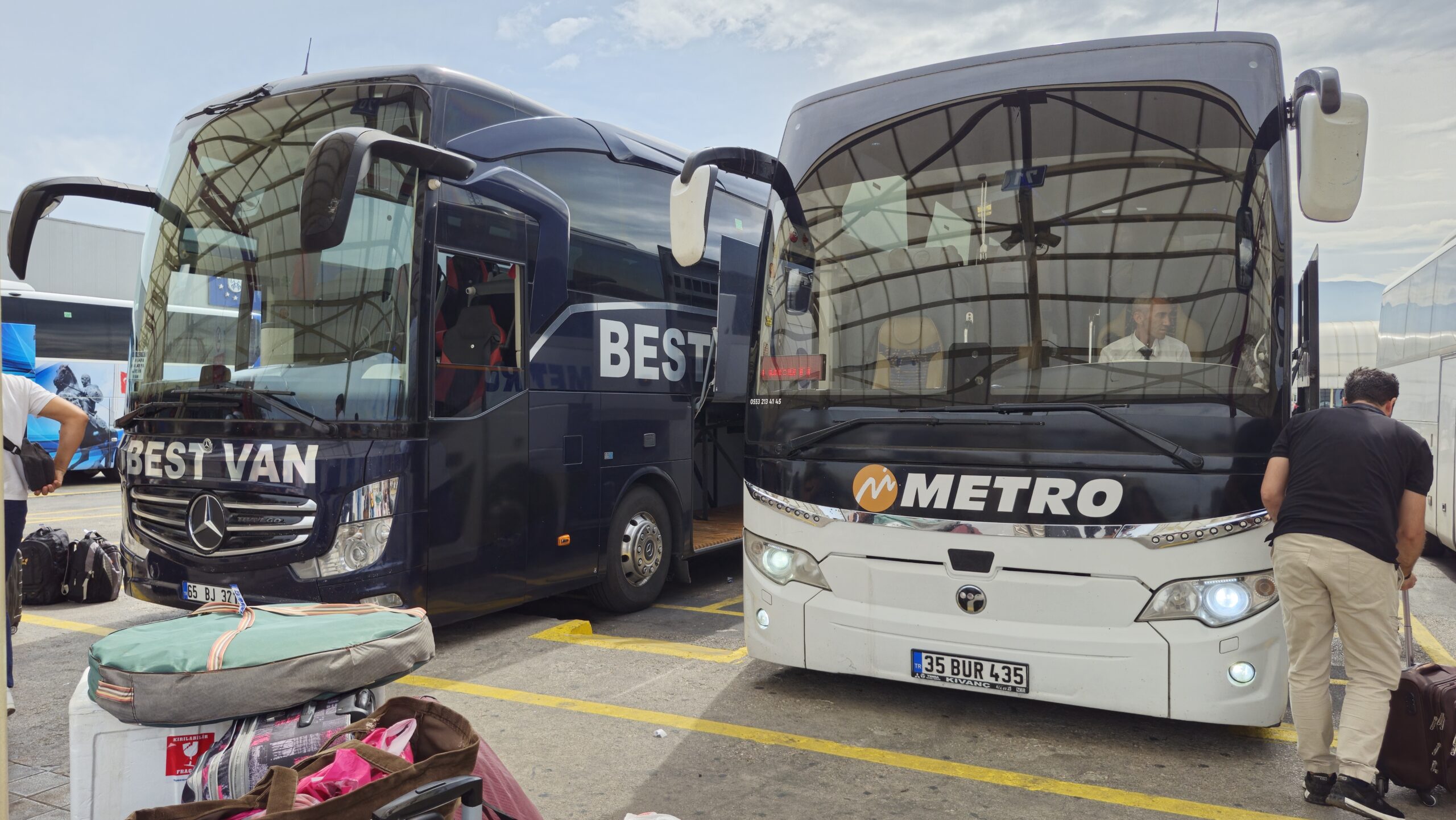
If you’re coming from elsewhere in Turkey be aware there aren’t as many direct flights to Ankara from other cities. However Turkey has a wonderful intercity bus network that’s safe, clean and affordable.
However you travel, stay safe and have a great time. Iyi yolculuklar!